Overcoming Dental Anxiety and Dental Phobia: A Modern Patient Guide
Fear of dental treatment is far more common than many people realize. For some patients, this fear appears as mild nervousness before appointments. For others, it becomes a severe emotional response that leads to years of avoiding dental care entirely.
Dental anxiety and dental phobia affect millions of people worldwide and may significantly impact both oral health and overall quality of life.
At DentisLife in Ankara, many international patients tell us they postponed treatment for years because of previous negative experiences, fear of pain, loss of control, or embarrassment about the condition of their teeth.
Modern dentistry, however, has changed significantly. Today, patient comfort, communication and minimally invasive treatment approaches play a central role in creating safer and more comfortable experiences.
Understanding dental anxiety is often the first step toward overcoming it.
What Is Dental Anxiety?
Dental anxiety refers to feelings of stress, nervousness or fear related to dental treatment.
Patients may feel anxious:
before appointments,
while waiting in the clinic,
during injections,
because of treatment sounds,
or simply from anticipating discomfort.
Mild to moderate anxiety is extremely common and does not necessarily mean a patient has a true dental phobia.
Many anxious patients are still able to attend appointments despite feeling uncomfortable.
What Is Dental Phobia?
Dental phobia is a more severe psychological condition involving intense fear and avoidance of dental treatment.
Patients with dental phobia may:
completely avoid dental visits,
experience panic symptoms,
lose sleep before appointments,
feel physically ill,
or postpone treatment until severe pain develops.
In many cases, dental phobia leads to worsening oral health because small dental problems remain untreated for years.
This may eventually result in:
tooth loss,
infections,
advanced gum disease,
chewing problems,
and complex restorative needs.
Why Does Dental Fear Develop?
Dental anxiety usually develops through multiple psychological and emotional factors.
Previous Negative Experiences
Painful or traumatic dental experiences during childhood or adulthood are among the most common causes.
Even a single negative experience may influence future expectations for many years.
Fear of Pain
Despite major advances in modern dentistry, many patients still associate dental treatment with pain.
This fear often comes from outdated experiences or stories shared by others rather than current treatment reality.
Loss of Control
Some patients feel uncomfortable lying in a dental chair while another person performs treatment inside the mouth.
This feeling of vulnerability may increase stress levels significantly.
Embarrassment
Patients who avoided treatment for years sometimes feel ashamed about the condition of their teeth.
Fear of judgment may prevent them from seeking professional help.
At DentisLife, compassionate communication and non-judgmental patient care are considered essential parts of treatment.
Sensory Triggers
Dental sounds, smells or visual stimuli may trigger anxiety responses in sensitive individuals.
Modern clinics increasingly focus on creating calmer and more comfortable treatment environments.
How Dental Anxiety Affects Oral Health
Avoiding dental care often creates a cycle that becomes progressively more difficult over time.
Small problems such as:
early cavities,
mild gum inflammation,
or minor fractures
may gradually develop into:
severe infections,
tooth loss,
abscesses,
advanced periodontal disease,
or complex rehabilitation needs.
Unfortunately, postponing treatment often increases both treatment complexity and emotional stress later.
Early intervention is usually simpler, less invasive and more comfortable.
How Modern Dentistry Helps Reduce Anxiety
Modern dentistry has evolved significantly compared to older treatment approaches.
Today, patient comfort and minimally invasive techniques are major priorities.
Improved Local Anesthesia
Modern anesthetic techniques make most routine dental procedures considerably more comfortable than many patients expect.
Digital Dentistry
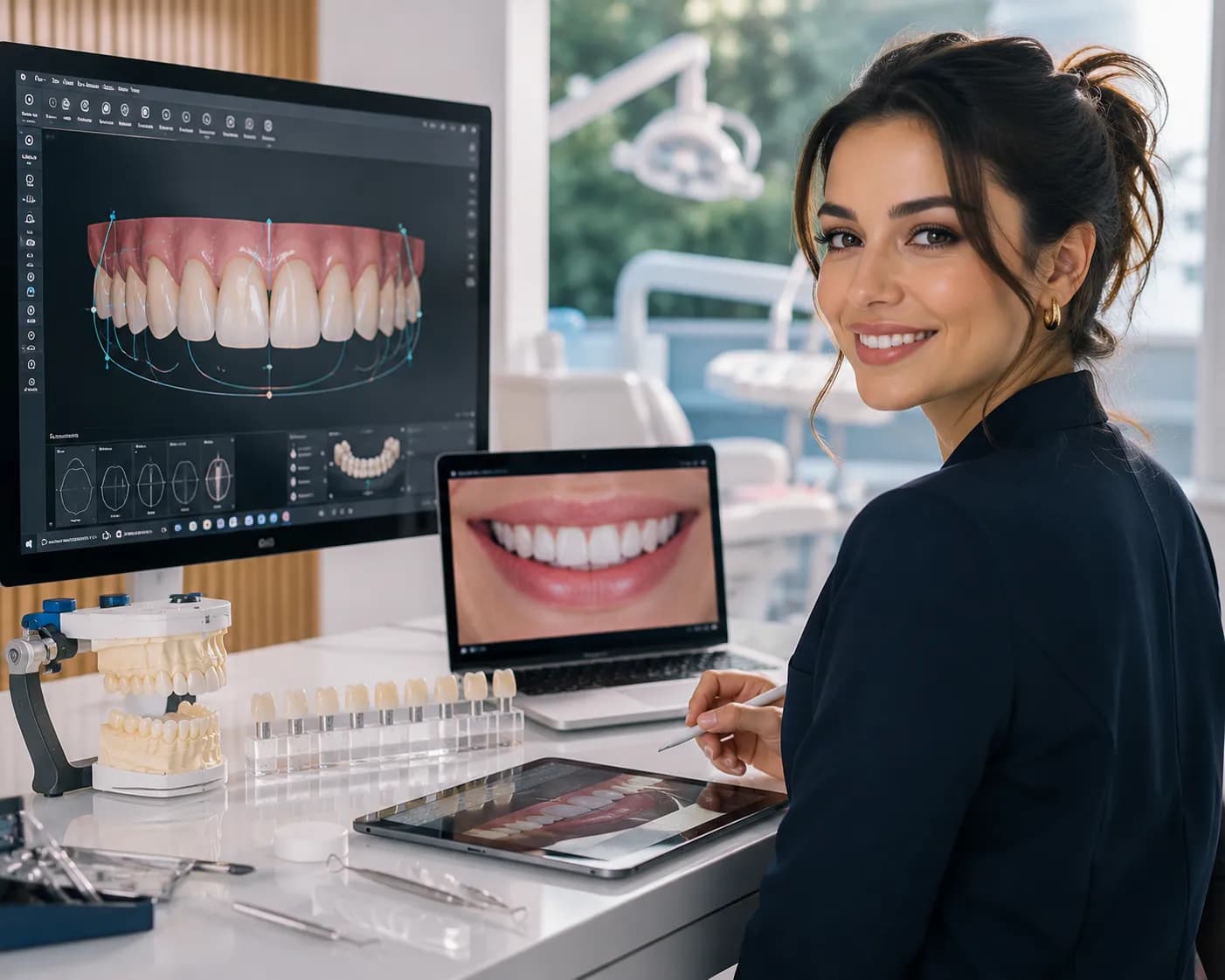
Advanced digital imaging and planning systems improve precision while helping patients better understand their treatment process.
Clear communication often reduces uncertainty and anxiety.
Patient Communication
Professional communication is one of the most important factors in reducing dental fear.
Patients generally feel safer when:
procedures are explained clearly,
treatment progresses gradually,
and they feel involved in decision-making.
Calm Clinical Environment
A structured, organized and medically professional clinic environment may significantly reduce stress levels for anxious patients.
At DentisLife in Ankara, treatment planning prioritizes patient comfort, transparency and controlled clinical workflows.
Sedation Options
For selected patients, sedation dentistry may help reduce severe anxiety during treatment.
The appropriate approach depends on:
medical history,
treatment complexity,
anxiety severity,
and overall patient evaluation.
Why Medical-Focused Dentistry Matters for Anxious Patients
Patients with dental anxiety often require:
more communication,
additional planning,
careful pacing,
and long-term trust-building.
Highly tourism-oriented “holiday dentistry” environments may not always provide the structured and individualized care anxious patients need.
At DentisLife in Ankara, our philosophy focuses on:
controlled treatment planning,
patient-centered communication,
long-term oral health,
and medically responsible dentistry.
For international patients, this often creates a calmer and more predictable treatment experience.
Dental Anxiety Support at DentisLife in Ankara
At DentisLife, we understand that dental fear is real and should never be underestimated or judged.
Our approach focuses on:
individualized patient communication,
detailed treatment explanation,
modern minimally invasive dentistry,
structured appointment planning,
and supportive patient care.
International patients receive assistance throughout every stage of treatment, including:
online consultation before travel,
digital treatment planning,
multilingual communication,
and post-treatment follow-up support.
The goal is not simply completing treatment, but helping patients feel safer and more confident throughout the entire process.
FAQ
Is dental anxiety common?
Yes. Dental anxiety affects a large percentage of adults worldwide.
What is the difference between anxiety and phobia?
Anxiety usually involves nervousness or stress, while phobia involves severe fear and avoidance behavior.
Can dental anxiety be treated?
Yes. Communication, modern techniques and supportive care often help patients gradually feel more comfortable.
Is modern dentistry less painful today?
In most cases yes. Modern anesthesia and minimally invasive approaches have improved patient comfort significantly.
Should I delay treatment if I feel anxious?
Avoiding treatment often allows problems to become more serious. Early care is usually easier and less stressful.
CTA
If fear or anxiety has prevented you from visiting the dentist, you are not alone.
At DentisLife in Ankara, we provide patient-focused dental care designed to create a calmer, safer and more comfortable experience for anxious patients.
Our team prioritizes communication, transparency and medically responsible treatment planning to help patients regain confidence step by step.
Contact DentisLife today to schedule your personalized consultation.
International Health Tourism Authorization Certificate
DentisLife is officially authorized by the Republic of Turkey Ministry of Health and holds the International Health Tourism Authorization Certificate.
This certification confirms that our clinic meets official standards for international patient care, treatment quality and regulated healthcare procedures.
For our international patients, this means:
safe and regulated medical environment,
verified clinical standards,
transparent treatment systems,
and structured international patient care.