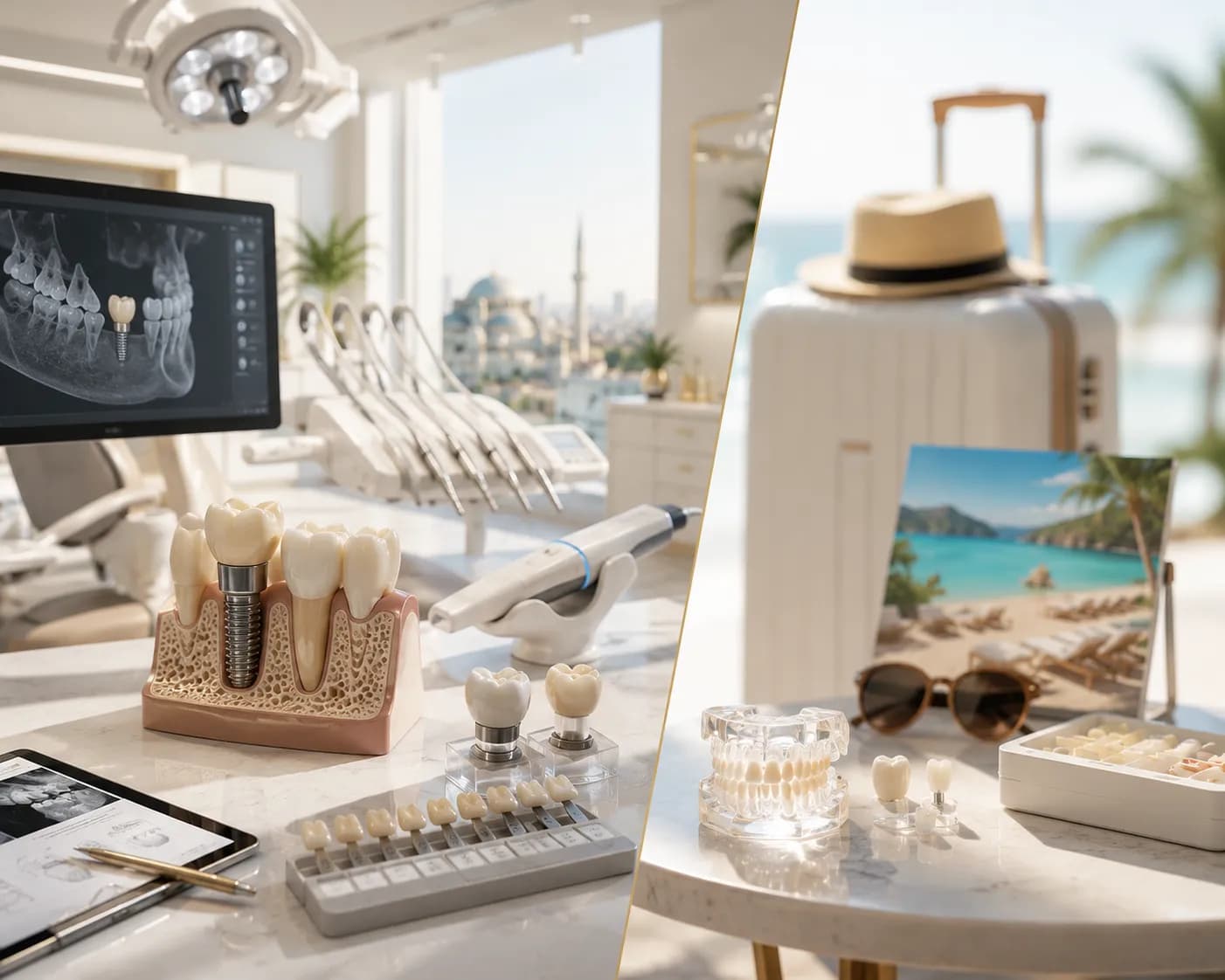
Dental clinics now communicate through websites, social media, videos, patient stories and treatment packages.
Professional communication is not inherently negative. It can help patients understand available treatments, languages, facilities and travel arrangements.
The problem begins when marketing replaces clinical assessment.
Attractive photography, large follower numbers or influencer campaigns do not prove:
accurate diagnosis
conservative treatment
appropriate materials
bite analysis
complication management
long-term follow-up
Clinical quality is demonstrated through the treatment process, not only through presentation.
What Is Responsible Dental Marketing?
Useful patient information may explain:
available treatments
professional qualifications
diagnostic technology
treatment stages
risks and alternatives
international-patient services
Dental advertising should be accurate and should not misrepresent qualifications, fees or expected outcomes. Promising a result that cannot be delivered to every patient may be misleading.
Warning Signs of Sales-Driven Dentistry
Treatment Recommendations Before Examination
Be cautious when a clinic recommends a final number of crowns, veneers or implants using only a few phone photographs.
Photographs may support an initial discussion, but they cannot replace:
clinical examination
radiographs
gum assessment
bite analysis
evaluation of existing restorations
assessment of remaining tooth structure
Any remote proposal should be described as preliminary.
Standard Packages for Every Patient
A fixed “20-crown smile package” may suggest that different patients need identical treatment.
In reality, appropriate options may include:
whitening
composite bonding
orthodontics
a small number of veneers
crowns only on damaged teeth
periodontal treatment
Ethical patient care places the patient’s welfare, needs and values above financial targets or contractual pressures.
Pressure to Decide Immediately
Warning signs include:
discounts available only today
pressure to pay immediately
discouraging a second opinion
asking for commitment before examination
failing to provide alternatives in writing
Many dental procedures are irreversible and should not be treated like ordinary retail purchases.
Guaranteed Results
Claims such as:
guaranteed perfect smile
pain-free treatment for everyone
lifetime veneers
risk-free implants
an identical result to a photograph
are not medically realistic.
Outcomes vary according to tooth structure, gums, healing, bite forces, grinding and home care.
Incomplete Price Advertising
A low advertised price may cover only one component.
For an implant, patients should ask whether the quotation includes:
implant fixture
abutment
crown
imaging
temporary tooth
grafting
medication
review appointments
Transparent pricing explains both included services and possible additional costs.
How Should Before-and-After Images Be Viewed?
Before-and-after photographs may illustrate a treatment, but they do not predict the same result for every patient.
Appearance may be influenced by:
lighting
camera angle
lip position
image editing
timing
tooth shade
Turkey’s current healthcare-promotion rules also contain specific requirements concerning patient consent, privacy, international targeting and communication by authorised health-tourism providers.
What Indicates Genuine Clinical Quality?
Comprehensive Diagnosis
Depending on the case, assessment may include:
clinical examination
radiographs
3D imaging
gum measurements
vitality testing
bite analysis
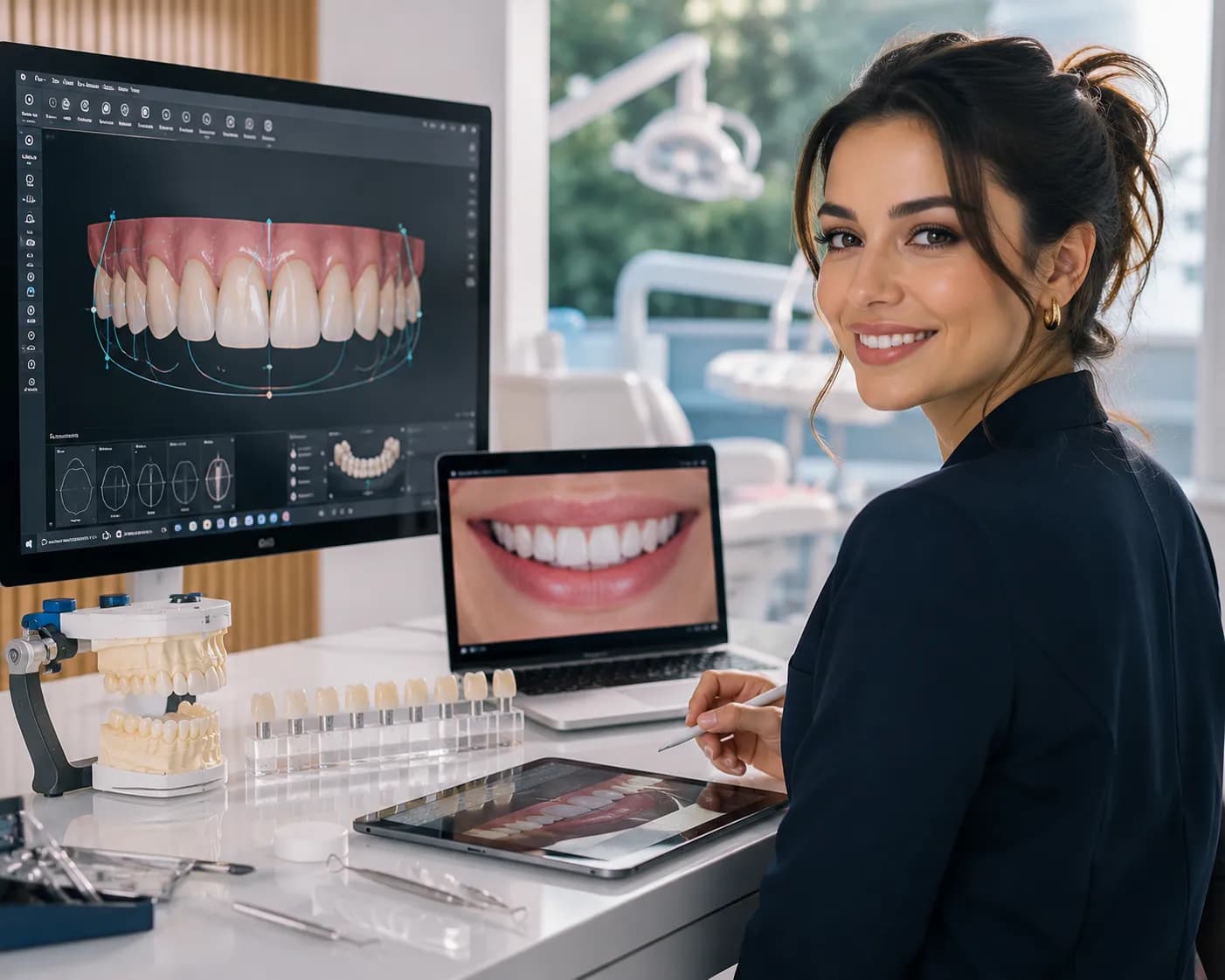
intraoral scanning
photography
Preserving Natural Teeth
A patient-centred clinic first identifies which teeth are healthy or restorable.
Not every discoloured tooth needs a crown, and not every minor misalignment requires veneers.
Conservative alternatives should be discussed before healthy tissue is removed.
Clear Informed Consent
Patients should understand:
why treatment is recommended
available alternatives
potential risks
expected duration
future replacement needs
required maintenance
Patient autonomy depends on understandable information and access to relevant dental records and radiographs.
Realistic Treatment Time
Digital systems may accelerate scanning and production. They cannot eliminate biological healing.
Implants, grafting, periodontal surgery and complex bite rehabilitation may require staged treatment.
Documentation and Follow-Up
Useful records may include:
treatment report
radiographs
implant passport
material information
maintenance instructions
review schedule
Patient safety focuses on reducing preventable harm and unnecessary risk throughout healthcare.
Questions to Ask Before Treatment
Patients may ask:
Who creates my treatment plan?
Can I speak directly with the treating dentist?
Which teeth genuinely require treatment?
Are more conservative alternatives available?
Which materials and manufacturers are used?
What are the risks?
What is included in the fee?
How is aftercare organised?
Will I receive my records?
What happens if I have problems after returning home?
Clear answers usually provide more useful information than promotional slogans.
Marketing and Clinical Care at DentisLife in Ankara
DentisLife also communicates through its website, educational content and social media.
At DentisLife in Ankara, this communication is intended to support rather than replace clinical consultation.
Before definitive treatment, the team may assess:
dental and gum health
decay and existing restorations
remaining natural tooth structure
bite forces and bruxism
aesthetic expectations
conservative alternatives
healing requirements
long-term maintenance
A request for a full smile makeover therefore does not automatically lead to crowns or veneers on every visible tooth.
Depending on the diagnosis, appropriate options may include whitening, bonding, orthodontics, periodontal care or a limited number of ceramic restorations.
DentisLife was established in 2014 and works with a multidisciplinary team and digital diagnostic and treatment-planning methods.
The clinic holds the International Health Tourism Authorization Certificate and is officially authorised to provide healthcare services to international patients in Turkey.
German- and English-language communication, treatment coordination, accommodation, transfers and other travel support may be organised for international patients. The clinical plan, however, is based on the individual diagnosis rather than being compressed into a standard travel package.
The aim is not only to show an attractive final image. It is to explain:
what treatment is clinically justified
which teeth can be preserved
which alternatives exist
how the result should be maintained
which future reviews may be necessary
Frequently Asked Questions
Does extensive marketing mean poor clinical quality?
No. Marketing becomes problematic when it is misleading, incomplete or used to replace diagnosis.
Are affordable packages always suspicious?
No. They should clearly state materials, included services and possible additional costs.
Should I request a second opinion?
A second opinion may be useful before extensive or irreversible treatment.
Can online reviews be trusted?
They may offer context but cannot predict clinical outcomes or replace examination.
What may indicate overtreatment?
Extensive recommendations without proper diagnosis, no discussion of alternatives and strong pressure to proceed.
What matters more than clinic design?
Diagnosis, qualifications, transparency, tooth preservation, documentation and aftercare.
Summary
Marketing can inform patients, but it does not demonstrate clinical quality.
Warning signs include:
final plans without examination
standardised veneer or crown packages
guaranteed outcomes
pressure to decide quickly
incomplete prices
unclear follow-up
A patient-centred clinic provides individual diagnosis, informed consent, conservative alternatives, realistic timing and documented aftercare.
At DentisLife in Ankara, the treatment plan is therefore based on clinical need, tooth preservation, function, aesthetics and long-term maintenance rather than the number of procedures sold.