Denture Adhesive Guide: What Works and When Dentures Need More Support
Many denture wearers use denture adhesives to improve comfort and stability during daily life. Eating, speaking and smiling confidently often depend on how securely a denture remains in place throughout the day.
Although denture adhesives can provide additional retention, they are not designed to permanently solve significant denture instability. In many cases, excessive dependence on adhesive products may indicate that the denture no longer fits properly or that the underlying jawbone has changed over time.
At DentisLife in Ankara, we frequently evaluate international patients who have struggled with loose dentures for years while relying heavily on adhesives. Often, the real solution involves proper prosthetic planning rather than simply applying stronger adhesive products.
Understanding how denture adhesives work and when professional treatment becomes necessary can help patients make safer long-term decisions.
What Is a Denture Adhesive?
Denture adhesive is a material used to improve the connection between removable dentures and oral tissues.
These products are designed to:
improve retention,
reduce denture movement,
increase comfort during chewing,
and help patients feel more confident in social situations.
Modern adhesives usually absorb moisture and create a thin layer between the denture and gum surface, improving suction and stability.
However, adhesives should support an already reasonably fitting denture rather than compensate for major structural problems.
Why Dentures Become Loose Over Time
One of the most common reasons patients begin using larger amounts of adhesive is progressive jawbone resorption.
After tooth loss, the jawbone gradually shrinks because it no longer receives stimulation from natural tooth roots.
Over time, this may cause:
reduced denture stability,
loss of suction,
pressure points,
speech difficulties,
and discomfort while eating.
Bone loss tends to progress continuously throughout life, particularly in patients wearing removable dentures for many years.
Lower dentures are often more difficult to stabilize because the lower jaw naturally offers less surface area and suction compared to the upper jaw.
Types of Denture Adhesives
Denture Adhesive Creams
Cream-based adhesives are among the most commonly used products worldwide.
They generally provide:
strong retention,
cushioning effect,
and easier adaptation during daily function.
Many patients prefer creams because they are easy to apply and widely available.
However, excessive use may create hygiene problems and residue accumulation if dentures are not cleaned properly every day.
Denture Adhesive Powders
Powder adhesives create a thinner adhesive layer and are often easier to clean compared to creams.
They may work well for patients whose dentures already fit relatively well but require mild additional stability.
Some patients also prefer powders because they feel lighter inside the mouth.
Adhesive Strips and Pads
Adhesive pads and strips are less commonly recommended for long-term use.
Although convenient for some patients, thicker adhesive materials may alter bite balance and pressure distribution during chewing.
For severely loose dentures, strips are usually not an ideal long-term solution.
Are Denture Adhesives Safe?
Modern denture adhesives are generally considered safe when used correctly and according to manufacturer instructions.
However, several important factors should be considered.
Excessive Use
Using large amounts of adhesive every day may indicate that the denture no longer fits correctly.
This situation should be professionally evaluated rather than repeatedly compensated with stronger adhesive products.
Oral Hygiene
Adhesive residue must be cleaned carefully from both the denture and oral tissues.
Poor hygiene may increase irritation and inflammation risk.
Zinc-Containing Adhesives
Some older adhesive formulations contained high zinc levels. Chronic overuse of these products was associated with rare neurological complications.
Today, many modern products are zinc-free.
Signs That Adhesive Alone Is No Longer Enough
Denture adhesives should not be viewed as a permanent substitute for professional treatment.
Several signs may indicate that the denture requires adjustment, relining or replacement.
Frequent Reapplication
If adhesive loses effectiveness after only a few hours, denture adaptation may already be significantly compromised.
Pain or Pressure Areas
Movement during chewing may create chronic sore spots or tissue irritation.
Difficulty Eating
Patients sometimes avoid harder foods because dentures become unstable during function.
Speech Problems
Clicking or denture movement while talking may indicate poor prosthetic adaptation.
Visible Denture Movement
If dentures visibly shift during normal function, professional evaluation is strongly recommended.
Professional Solutions for Loose Dentures
Denture Relining
Relining involves reshaping the inner surface of the denture to improve adaptation to the current anatomy of the gums and jawbone.
This may significantly improve retention when the denture structure itself remains usable.
New Denture Fabrication
Older dentures gradually wear down both functionally and aesthetically.
Modern prosthetic planning can improve:
bite balance,
chewing efficiency,
facial support,
speech comfort,
and natural appearance.
Digital workflows may also improve precision and long-term adaptation.
Implant-Supported Dentures
For many patients with severe instability, implant-supported dentures provide the most stable long-term solution.
Dental implants help anchor the prosthesis directly to the jawbone, reducing movement significantly.
Benefits may include:
improved chewing function,
stronger retention,
reduced adhesive dependence,
greater confidence,
and improved daily comfort.
Implant-supported systems are especially beneficial for lower dentures, which are traditionally more difficult to stabilize.
Why Medical-Focused Planning Matters
Loose dentures are not only a comfort issue. Poor prosthetic stability may affect:
nutrition,
speech,
social confidence,
oral tissue health,
and long-term jawbone preservation.
At DentisLife in Ankara, prosthetic treatment planning focuses on long-term oral function rather than temporary cosmetic solutions.
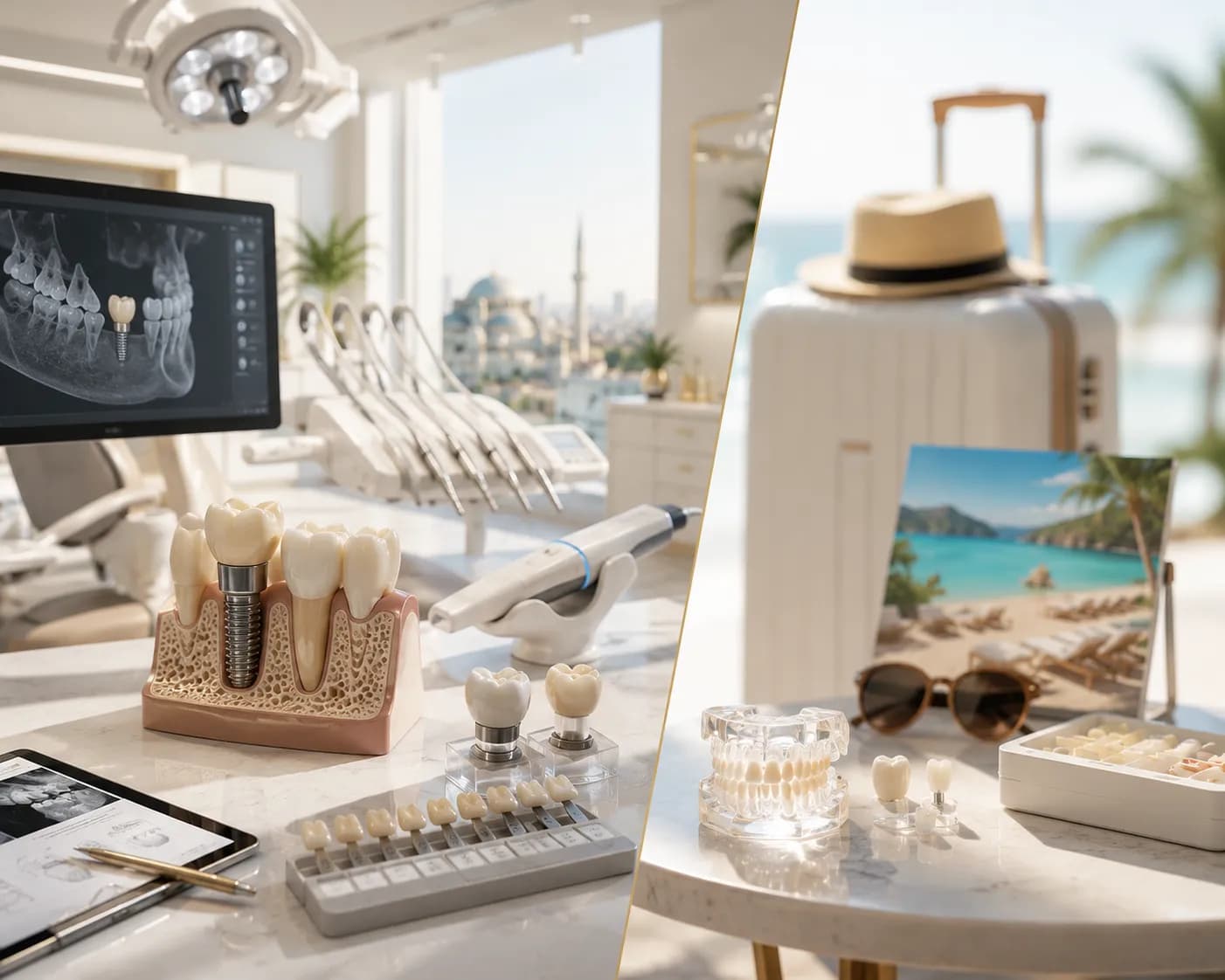
Unlike highly tourism-oriented “holiday dentistry” approaches, medically focused treatment requires:
detailed diagnostics,
careful bite analysis,
controlled follow-up,
and individualized prosthetic planning.
This structured approach is particularly important for international patients seeking reliable long-term outcomes.
Denture Treatment at DentisLife in Ankara
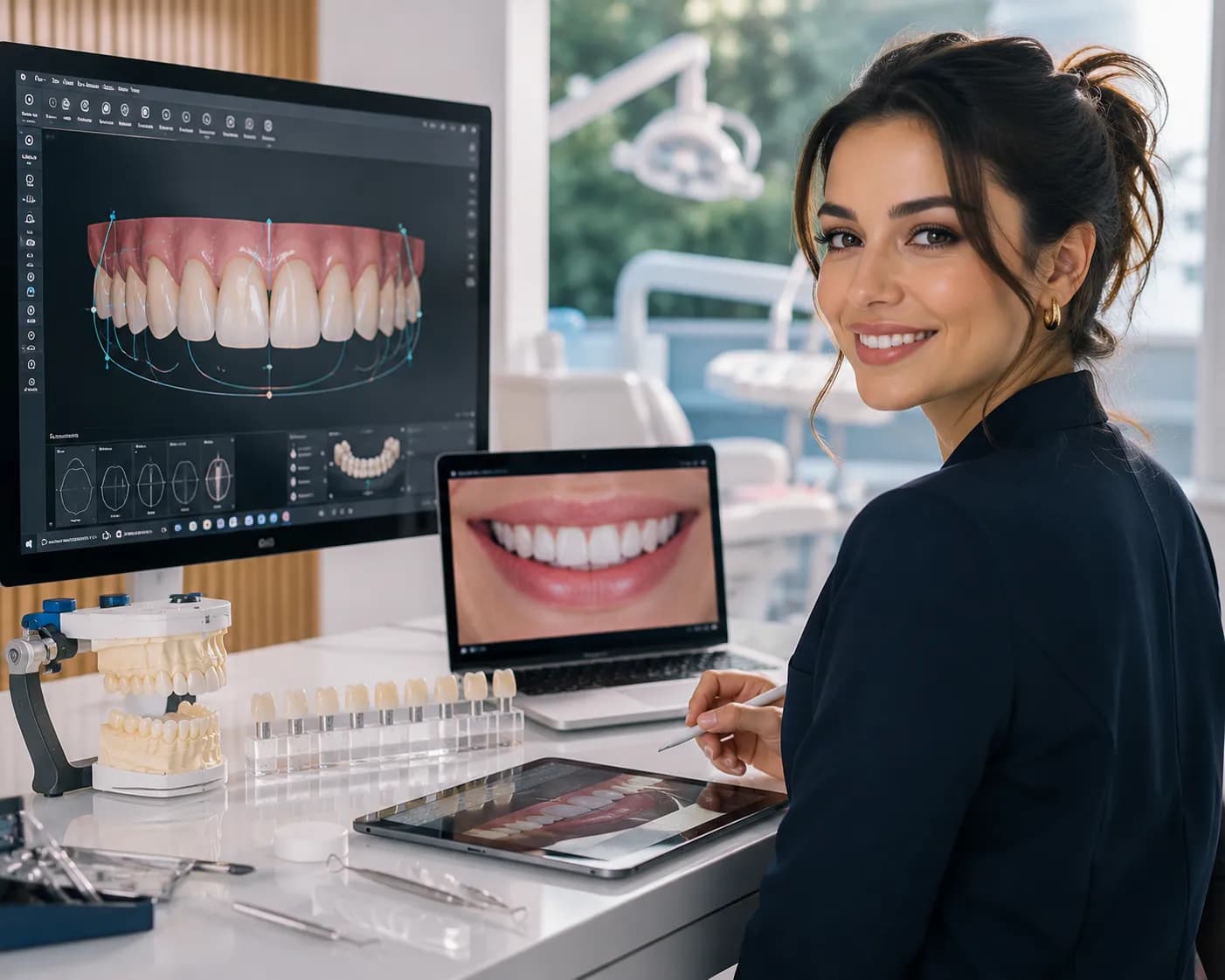
At DentisLife, removable and implant-supported prosthetic treatments are planned using advanced digital diagnostics and individualized evaluation.
Our approach focuses on:
long-term stability,
functional comfort,
oral health preservation,
aesthetic balance,
and predictable long-term results.
International patients receive support throughout every phase of treatment, including:
online consultation before travel,
digital treatment planning,
multilingual communication,
and structured follow-up after treatment.
FAQ
Should denture adhesive be used every day?
In some cases yes, particularly for patients with mild denture looseness. However, excessive daily dependence may indicate underlying fitting problems.
Is denture adhesive harmful?
Modern adhesives are generally safe when used correctly and cleaned properly.
Why do lower dentures move more?
Lower dentures naturally have less suction and smaller support surfaces compared to upper dentures.
Can implants reduce the need for adhesive?
Yes. Implant-supported dentures significantly improve stability and often reduce or eliminate adhesive dependence.
How often should dentures be evaluated?
Regular professional evaluation is recommended because jawbone anatomy changes over time.
CTA
If your dentures frequently become loose, uncomfortable or unstable, a professional evaluation may help identify more reliable long-term solutions.
At DentisLife in Ankara, we provide comprehensive prosthetic assessment, digital diagnostics and individualized treatment planning for both local and international patients.
Our team focuses on long-term oral health, stability and functional comfort rather than temporary cosmetic shortcuts.
Contact DentisLife today to receive your personalized denture consultation.
International Health Tourism Authorization Certificate
DentisLife is officially authorized by the Republic of Turkey Ministry of Health and holds the International Health Tourism Authorization Certificate.
This certification confirms that our clinic meets official standards for international patient care, treatment quality and regulated healthcare procedures.
For our international patients, this means:
safe and regulated medical environment,
verified clinical standards,
transparent treatment systems,
and structured international patient care.