Cosmetic dentistry includes dental treatments intended to improve the appearance of the teeth, gums or smile.
For some patients, the main concern is tooth colour. Others want to improve small gaps, chipped edges, uneven gum levels, worn teeth, crowding or missing teeth.
The term cosmetic dentistry does not refer to one procedure.
It may involve:
professional teeth whitening
composite bonding
porcelain veneers
dental crowns
orthodontic treatment
gum contouring
ceramic inlays or onlays
replacement of missing teeth
digital smile planning
Some procedures are mainly aesthetic. Others combine appearance, function and oral health.
A carefully planned cosmetic treatment should not focus only on making teeth whiter or more symmetrical. It should also consider tooth structure, gum health, bite, facial proportions, speech, maintenance and long-term biological risk.
What Is Cosmetic Dentistry?
Cosmetic dentistry is a broad term for dental care intended to improve visible features of the smile.
It may address:
tooth discolouration
small gaps
chipped or cracked edges
uneven tooth length
worn teeth
minor misalignment
missing teeth
old or visible restorations
uneven gum levels
excessive gum display
changes in facial and lip support
Cosmetic and restorative dentistry often overlap.
For example, a crown may improve the appearance of a tooth, but it may also protect a tooth that is weakened or fractured. A dental implant may restore a missing tooth aesthetically while also improving chewing function.
The NHS lists veneers, whitening, crowns, bridges and implants among commonly recognised dental treatments, although their indications and availability differ.
Is Cosmetic Dentistry a Recognised Dental Specialty?
Cosmetic dentistry is generally considered an area of clinical practice rather than a universally recognised dental specialty.
Dentists providing aesthetic treatments may come from backgrounds such as:
general dentistry
restorative dentistry
prosthodontics
orthodontics
periodontology
endodontics
oral surgery
The title “cosmetic dentist” alone does not prove specialist status.
Patients should evaluate:
the dentist’s education
relevant clinical training
experience with the proposed procedure
treatment documentation
ability to explain alternatives
approach to preserving natural tooth structure
What Is the Difference Between a General Dentist and a Cosmetic Dentist?
A general dentist diagnoses, prevents and treats oral disease.
Their work may include:
examinations
fillings
root canal treatment
gum treatment
crowns
bridges
preventive care
management of dental pain
A dentist with a cosmetic focus places additional emphasis on:
tooth proportions
shade
symmetry
surface texture
gum display
smile line
lip movement
facial harmony
The distinction is mainly one of treatment focus rather than a completely separate profession.
A general dentist may provide highly aesthetic restorations. A dentist focused on cosmetic care must still understand oral disease, function and long-term maintenance.
Who May Consider Cosmetic Dentistry?
Cosmetic treatment may be considered by patients who are concerned about:
persistent tooth staining
chipped teeth
small gaps
disproportionate tooth shapes
old discoloured fillings
worn edges
crowded teeth
missing teeth
uneven gum levels
a gummy smile
visible dental asymmetry
However, treatment is not necessary simply because a tooth differs slightly from an idealised image.
Natural teeth are not perfectly identical.
Small variations in colour, shape and alignment can be normal and attractive.
Cosmetic treatment should be based on the patient’s own concerns, realistic expectations and informed decision—not social pressure or edited images on social media.
What Should Happen Before Cosmetic Treatment?
Before aesthetic treatment, the dentist should evaluate:
tooth decay
gum health
tooth vitality
existing fillings and crowns
bite
tooth wear
jaw function
oral hygiene
facial proportions
medical history
smoking
bruxism
patient expectations
Active disease should be treated before elective cosmetic work.
Veneers, crowns or bonding should not be used to hide untreated decay, gum inflammation or unstable bite problems.
1. Professional Teeth Whitening
Professional whitening is one of the most conservative ways to improve tooth colour.
It may be suitable when teeth are healthy but appear darker because of:
age-related colour change
tea or coffee staining
smoking-related staining
naturally darker enamel or dentine
selected internal discolouration
Whitening can improve natural tooth colour but does not change the colour of:
crowns
veneers
fillings
bridges
dentures
implant crowns
The ADA explains that whitening may involve bleaching or non-bleaching methods and can be performed in a dental office or with professionally supervised home systems.
Benefits of Teeth Whitening
no covering of the natural tooth
usually little or no tooth reduction
relatively fast treatment
useful before other aesthetic procedures
can help determine the final shade for future restorations
Possible Limitations
temporary sensitivity
gum irritation
colour relapse over time
uneven results when restorations are present
limited effect on some internal stains
Whitening is often a more conservative first option than veneers or crowns when colour is the main concern.
2. Composite Bonding
Composite bonding involves applying tooth-coloured resin to the tooth surface.
It can be used to improve:
small chips
minor gaps
worn corners
uneven edges
short teeth
small shape irregularities
The material is shaped, hardened and polished directly in the mouth.
Benefits of Composite Bonding
usually conservative
little or no tooth preparation in selected cases
often completed in one visit
repairable
easier to modify than ceramic
lower initial cost than some ceramic restorations
Limitations of Composite Bonding
may stain
may chip
may lose surface polish
usually requires maintenance
may be less colour-stable than ceramic
may not be suitable for major structural damage
Bonding can be an appropriate option when the patient wants a reversible or minimally invasive improvement.
3. Porcelain Veneers
Veneers are thin restorations bonded mainly to the front surface of teeth.
They may improve teeth that are:
stained
chipped
misshapen
mildly misaligned
uneven in length
separated by small gaps
The ADA describes veneers as custom-made coverings that differ from crowns because they cover only the front surface rather than the entire tooth.
Benefits of Veneers
significant improvement in colour and shape
relatively conservative compared with crowns
good colour stability
natural-looking translucency when well designed
useful for selected smile makeovers
Risks and Limitations
treatment is usually not fully reversible
enamel may need to be removed
sensitivity can occur
veneers can chip or detach
replacement may eventually be required
poor planning can create bulky or unnatural teeth
unhealthy teeth or gums must be treated first
Patients should ask how much tooth preparation is planned and whether more conservative options could achieve the same goal.
4. Dental Crowns
A dental crown covers most or all of the visible tooth.
Crowns may be used when a tooth is:
extensively filled
fractured
severely worn
weakened by decay
structurally damaged
previously root canal treated
unsuitable for a veneer
Crowns can improve appearance, but their main purpose may also be protection and restoration.
The ADA notes that crowns can strengthen weak teeth, restore broken teeth and improve tooth shape or colour.
Benefits of Crowns
provides extensive coverage
may protect weakened teeth
can restore shape and function
useful for severely damaged teeth
can support bridges
used on implants
Risks and Limitations
requires more tooth reduction than a veneer
may cause temporary sensitivity
the tooth may later require root canal treatment
decay can occur around crown margins
crowns can fracture or loosen
replacement may eventually be necessary
The KZBV confirms that even a crowned tooth can develop decay, particularly around the transition between tooth and crown.
Healthy teeth should not automatically receive crowns solely for a uniform cosmetic result.
5. Ceramic Inlays and Onlays
Ceramic inlays and onlays are indirect restorations used when a tooth has more damage than a small filling can manage but may not require a full crown.
An inlay fits within the cusps of the tooth.
An onlay covers one or more cusps.
They may be considered when:
a large old filling needs replacement
part of the tooth is weakened
a natural-looking restoration is desired
enough healthy tooth structure remains
Benefits
preserves more natural tooth structure than a full crown
durable in suitable cases
natural appearance
useful for selected back teeth
can restore damaged chewing surfaces
Limitations
requires laboratory or digital manufacturing
may fracture under excessive forces
not suitable when too little tooth remains
may require replacement in the future
6. Dental Bridges
A dental bridge replaces one or more missing teeth.
A conventional bridge usually uses neighbouring teeth as supports.
The artificial tooth fills the visible gap and is connected to crowns or retainers.
Benefits
fixed in the mouth
can restore appearance and chewing
no implant surgery
often faster than implant treatment
may be logical when neighbouring teeth already need crowns
Limitations
neighbouring teeth may need preparation
the supporting teeth carry additional load
cleaning under the bridge requires special techniques
bone in the missing-tooth area is not directly replaced
supporting teeth can develop decay or gum problems
A resin-bonded bridge may be a more conservative alternative for selected single-tooth gaps, particularly in the front region.
7. Dental Implants
Dental implants replace missing tooth roots and support crowns, bridges or dentures.
They may be considered when a tooth is already missing or cannot be saved.
Benefits
fixed tooth replacement
neighbouring teeth may remain untouched
natural appearance
can support several teeth
may improve denture stability
provides functional loading to the surrounding bone
Limitations
requires surgery
healing time may be necessary
sufficient bone is required
complications remain possible
smoking and gum disease can increase risk
long-term professional maintenance is essential
cost may be higher than removable options
Implants are not purely cosmetic treatments. They are restorative and surgical treatments with aesthetic consequences.
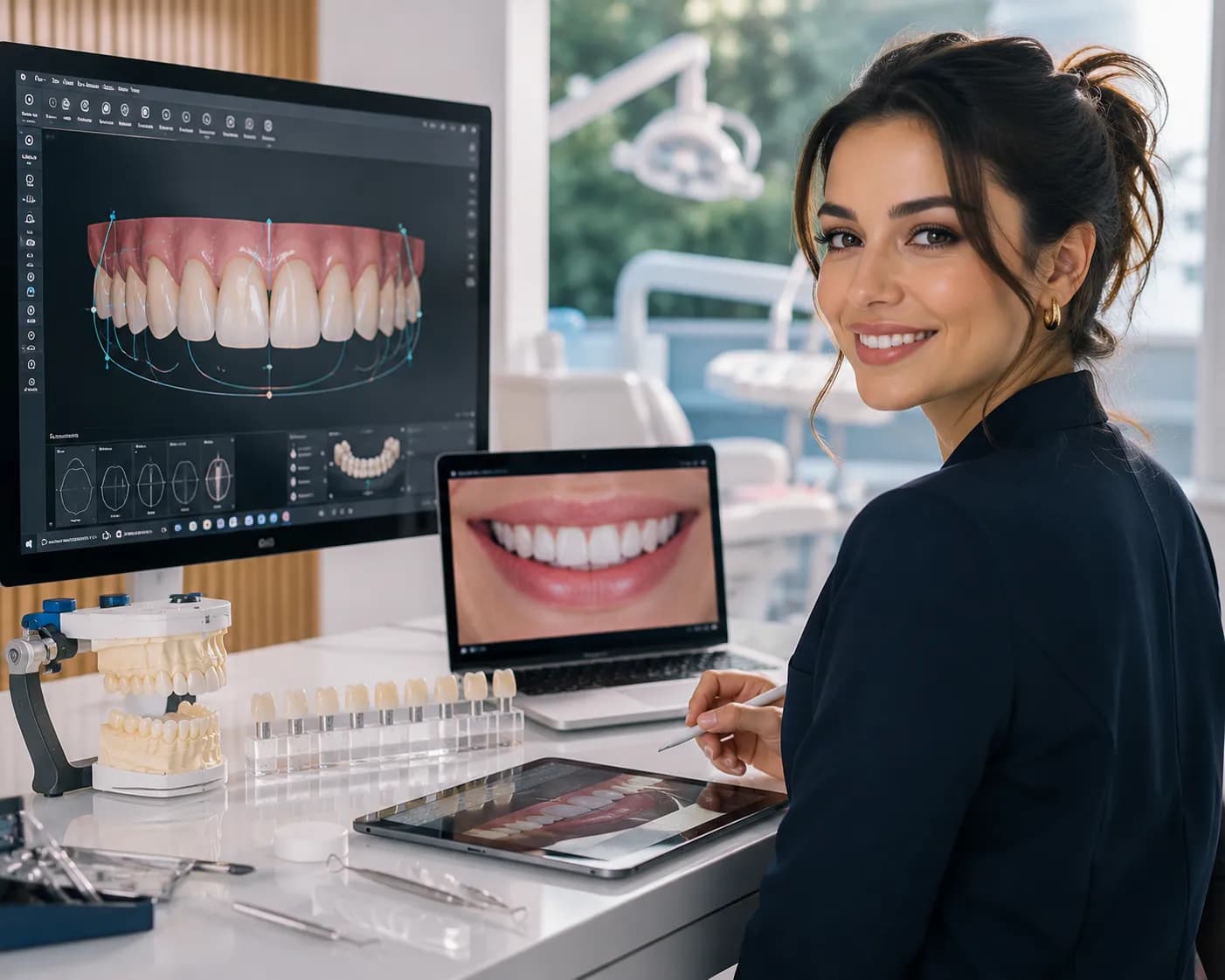
8. Digital Smile Design
Digital smile design uses photographs, scans, video and computer-assisted planning to explore possible changes in the smile.
It may help assess:
tooth length
tooth width
smile line
gum levels
facial symmetry
lip movement
planned restorations
A mock-up or provisional design may allow the patient to preview the proposed shape before irreversible treatment.
Benefits
improves communication
helps explain treatment alternatives
allows evaluation of tooth proportions
may reduce misunderstandings
supports laboratory planning
Limitations
a digital image is not a guaranteed result
software cannot replace clinical examination
biological limitations still apply
final appearance depends on material, laboratory and treatment execution
9. Gum Contouring
Gum contouring changes the visible gum line.
It may be considered when a patient has:
uneven gum levels
excessive gum display
short-looking teeth
gum overgrowth
selected asymmetry
Treatment may involve:
reshaping excess gum tissue
crown-lengthening procedures
periodontal surgery
treatment of gum recession
orthodontic or surgical evaluation in complex gummy-smile cases
Benefits
more balanced gum line
improved tooth proportions
better symmetry
may support restorative treatment
Risks and Limitations
sensitivity
temporary discomfort
gum recession
uneven healing
relapse in selected cases
need for bone correction in some patients
A gummy smile is not always caused only by excess gum tissue. Lip movement, tooth eruption and jaw position may also play a role.
10. Orthodontic Treatment and Clear Aligners
Orthodontic treatment moves teeth rather than covering them.
It may improve:
crowding
gaps
rotated teeth
protruding teeth
uneven tooth levels
selected bite problems
Treatment options include:
fixed braces
clear aligners
retainers
combined orthodontic and restorative planning
Benefits
preserves natural teeth
can reduce the need for veneers or crowns
improves tooth position
may improve cleaning
can support better bite function
Limitations
treatment takes time
patient cooperation is necessary
retainers are required
not every case is suitable for aligners
restorative treatment may still be needed afterward
Orthodontics may be more conservative than disguising severely rotated teeth with crowns.
11. Treatment of Chipped, Cracked or Worn Teeth
The treatment depends on the extent of damage.
A small chip may need:
polishing
composite bonding
minor contouring
A larger defect may require:
veneer
onlay
crown
root canal treatment
other restorative care
The ADA notes that small chips may sometimes be smoothed, while larger defects may require a tooth-coloured filling, veneer or crown.
The cause of the damage should also be investigated.
Possible causes include:
teeth grinding
acid erosion
trauma
bite problems
nail biting
hard food habits
12. Bite Rehabilitation
Severe tooth wear can make teeth appear shorter and change the lower facial proportions.
Patients may also experience:
sensitivity
jaw discomfort
reduced chewing efficiency
fractures
changes in speech
loss of lip support
Bite rehabilitation may involve:
bonding
onlays
crowns
orthodontics
night guards
treatment of grinding
full-mouth restorative planning
This is not a simple cosmetic procedure.
It requires careful analysis of the jaw relationship, bite, tooth wear and available tooth structure.
What Are the Benefits of Cosmetic Dentistry?
Improved Smile Appearance
Treatment can improve tooth colour, proportions, alignment and gum harmony.
Greater Confidence
Some patients feel more comfortable smiling, speaking and being photographed after treatment.
However, dentistry cannot guarantee professional, social or personal success.
Improved Function
Selected procedures may improve:
chewing
speech
tooth stability
bite
cleaning access
replacement of missing teeth
Better Oral-Care Motivation
Patients who invest in their smile may become more motivated to maintain:
brushing
interdental cleaning
dental reviews
periodontal health
smoking cessation
What Are the Risks of Cosmetic Dentistry?
Irreversible Tooth Preparation
Veneers and crowns may require removal of natural tooth structure.
Once removed, enamel and dentine do not regenerate.
Sensitivity
Whitening, bonding, veneers and crowns may cause temporary sensitivity.
Gum Irritation
Poor margins, bulky restorations or inadequate cleaning can irritate the gums.
Fracture or Debonding
Bonding, veneers and crowns can chip, break or come loose.
Future Replacement
Dental restorations are not guaranteed to last for life.
Veneers and crowns may eventually need repair or replacement. NHS hospital guidance notes that porcelain veneers and crowns require maintenance and future replacement.
Unnatural Appearance
Overly white, flat, identical or bulky restorations may not suit the patient’s face.
Excessive Treatment
One of the most important risks is receiving more treatment than necessary.
Healthy teeth should not be heavily prepared when whitening, bonding or orthodontics could provide an acceptable result.
How Much Does Cosmetic Dentistry Cost?
There is no single cosmetic dentistry price.
The cost depends on:
treatment type
number of teeth
material
laboratory work
dentist experience
complexity
diagnostic procedures
temporary restorations
gum treatment
orthodontics
implants
follow-up
country and clinic costs
A complete smile makeover may combine several procedures, which makes accurate pricing impossible before clinical assessment.
Patients should request a written treatment plan explaining:
which teeth will be treated
which procedure is planned for each tooth
why it is recommended
alternatives
expected tooth preparation
material
number of visits
total estimated cost
maintenance requirements
How to Choose the Right Cosmetic Treatment
Start With the Least Invasive Option
A conservative sequence may begin with:
professional cleaning
gum treatment
whitening
orthodontic alignment
bonding
veneers
crowns only where structurally necessary
Not every patient needs to follow this exact order, but the principle of tissue preservation is important.
Treat Disease First
Before cosmetic treatment, control:
tooth decay
gum inflammation
active periodontitis
infection
unstable bite problems
severe grinding
Ask Why Each Tooth Needs Treatment
A treatment plan should explain each tooth individually.
Avoid packages that automatically assign the same number of crowns or veneers to every patient.
Review a Mock-Up When Appropriate
A mock-up can help assess:
tooth length
smile width
lip support
speech
appearance
planned proportions
Discuss Maintenance
Ask:
how long the restoration may last
what can damage it
how to clean it
whether a night guard is needed
how often reviews are required
what happens if it chips or stains
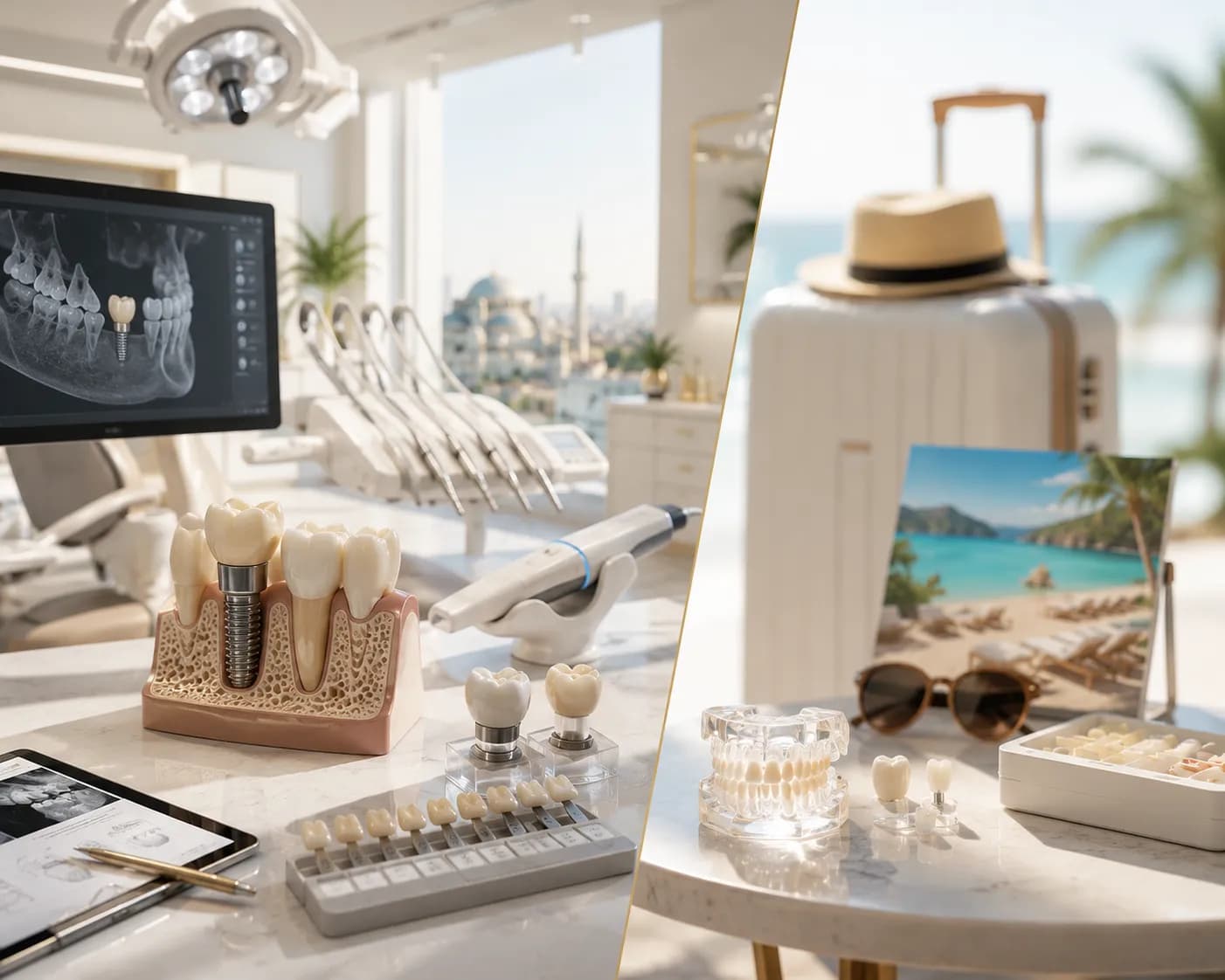
Cosmetic Dentistry for International Patients
Patients considering treatment abroad should clarify:
who will provide the treatment
whether the clinic is officially authorized
how diagnosis is established
how many visits are required
whether temporary restorations are included
who produces the restorations
what happens if changes are needed
how follow-up works after returning home
what records will be provided
Cosmetic treatment should not be rushed simply to fit a short holiday.
Cosmetic Dentistry at DentisLife
At DentisLife in Ankara, Turkey, cosmetic dentistry begins with evaluation of oral health rather than selection of a standard smile package.
The process may include:
clinical examination
gum assessment
bite analysis
digital photography
intraoral scanning
radiographs when indicated
shade evaluation
discussion of treatment alternatives
tooth-by-tooth planning
mock-up or provisional design
long-term maintenance planning
Treatment options may include:
professional whitening
composite bonding
porcelain veneers
ceramic crowns
orthodontics
gum treatment
implants
bridges
ceramic inlays and onlays
The objective is to create a smile that suits the patient while preserving as much natural tooth structure as reasonably possible.
Frequently Asked Questions
What is the most conservative cosmetic dental treatment?
Professional cleaning and whitening are among the most conservative options when colour is the main concern.
Composite bonding may also require little or no tooth reduction in selected cases.
What is the most popular cosmetic dental procedure?
Teeth whitening is one of the most commonly requested procedures because it is relatively conservative and focuses directly on tooth colour.
Is cosmetic dentistry only about appearance?
No.
Some procedures also improve chewing, speech, tooth protection or replacement of missing teeth.
Can a general dentist perform cosmetic dentistry?
Yes, provided the dentist has appropriate knowledge, clinical training and experience for the treatment being offered.
Are veneers better than bonding?
Neither is universally better.
Bonding is usually more conservative and repairable. Veneers may offer greater colour stability and durability in suitable cases.
Do cosmetic procedures damage the teeth?
Some treatments such as whitening may not require removal of tooth structure.
Veneers and crowns usually involve irreversible preparation, so their indication should be carefully assessed.
Can crooked teeth be treated without veneers?
Yes.
Braces or clear aligners can move the teeth and may reduce or eliminate the need for restorations.
How long do cosmetic dental results last?
It depends on the treatment.
Whitening may need refreshing. Bonding may require polishing or repair. Veneers and crowns may function for many years but may eventually require replacement.
Should healthy teeth receive crowns for cosmetic reasons?
Full crowns on healthy teeth should require strong clinical justification because they involve more extensive tooth preparation than whitening, bonding or veneers.
CTACosmetic dentistry should improve appearance without overlooking dental health, function or long-term maintenance.
International patients considering treatment at DentisLife in Ankara, Turkey, can request an online preliminary assessment using recent photographs, radiographs and treatment expectations.
The definitive plan is established after clinical examination and discussion of conservative and restorative alternatives.
International Health Tourism Authorization CertificateDentisLife holds the International Health Tourism Authorization Certificate and is officially authorized to provide healthcare services to international patients in Turkey.
The authorization supports structured international patient processes, documented clinical procedures, transparent treatment planning and organized follow-up.
It does not replace individual diagnosis, informed consent or careful selection of cosmetic procedures.