Root Canal Treatment & Endodontics
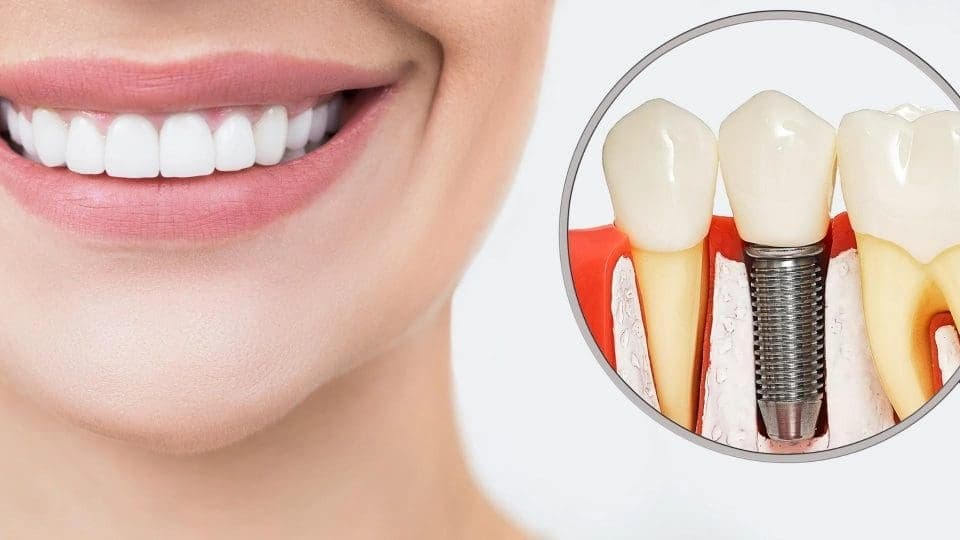
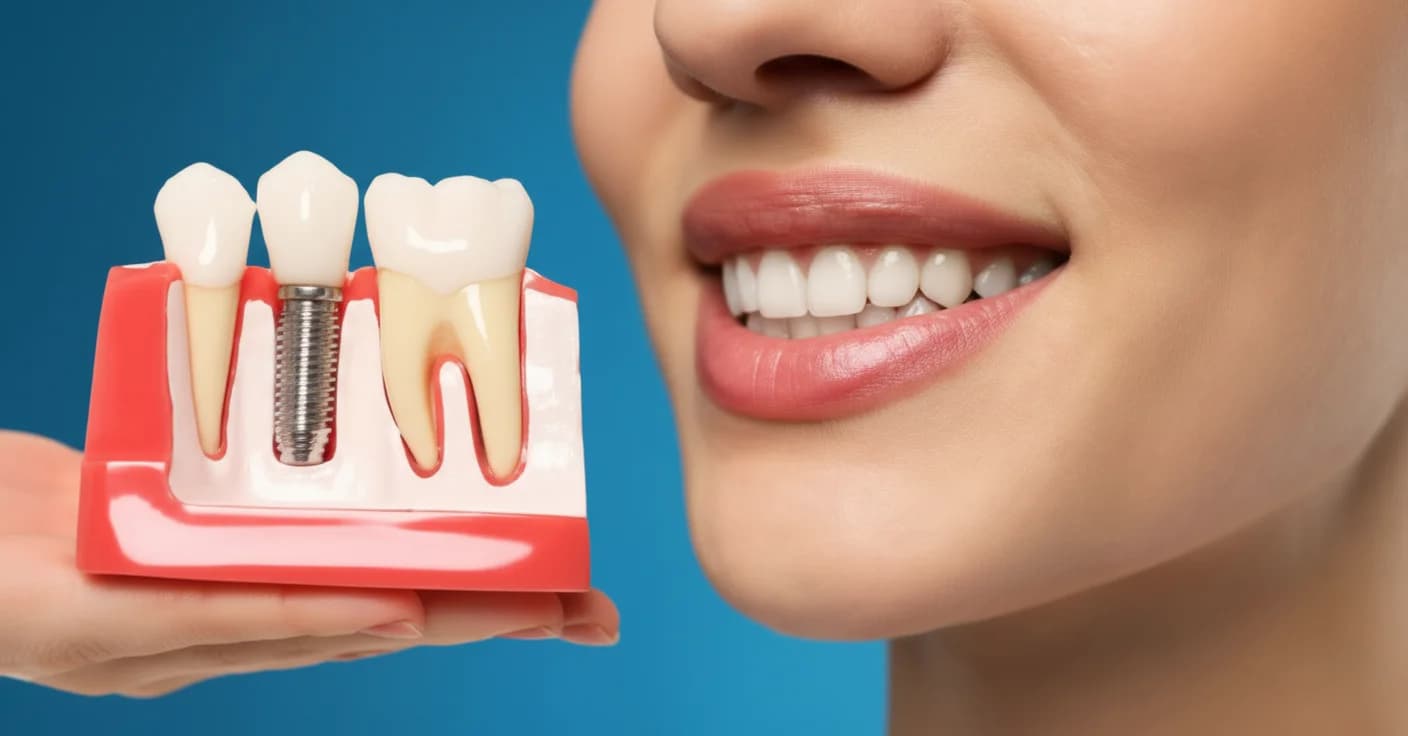
Preserving natural teeth is one of the most important goals of modern dentistry. When the inner tissue of a tooth becomes inflamed or infected, root canal treatment may help eliminate infection while maintaining the natural tooth structure.
Modern endodontic treatment is far more advanced than many patients expect. With digital diagnostics, magnification systems and contemporary treatment protocols, root canal therapy today focuses on precision, long-term stability and tooth preservation.
At DentisLife, root canal treatment is approached as a medically guided and carefully planned process designed to protect oral function and support long-term dental health.
The goal is not simply relieving pain temporarily, but preserving the tooth whenever possible while supporting healthy surrounding tissues and long-term functionality.
What Is Root Canal Treatment?
Root canal treatment, also known as endodontic therapy, is a procedure used to treat infection or inflammation inside the tooth.
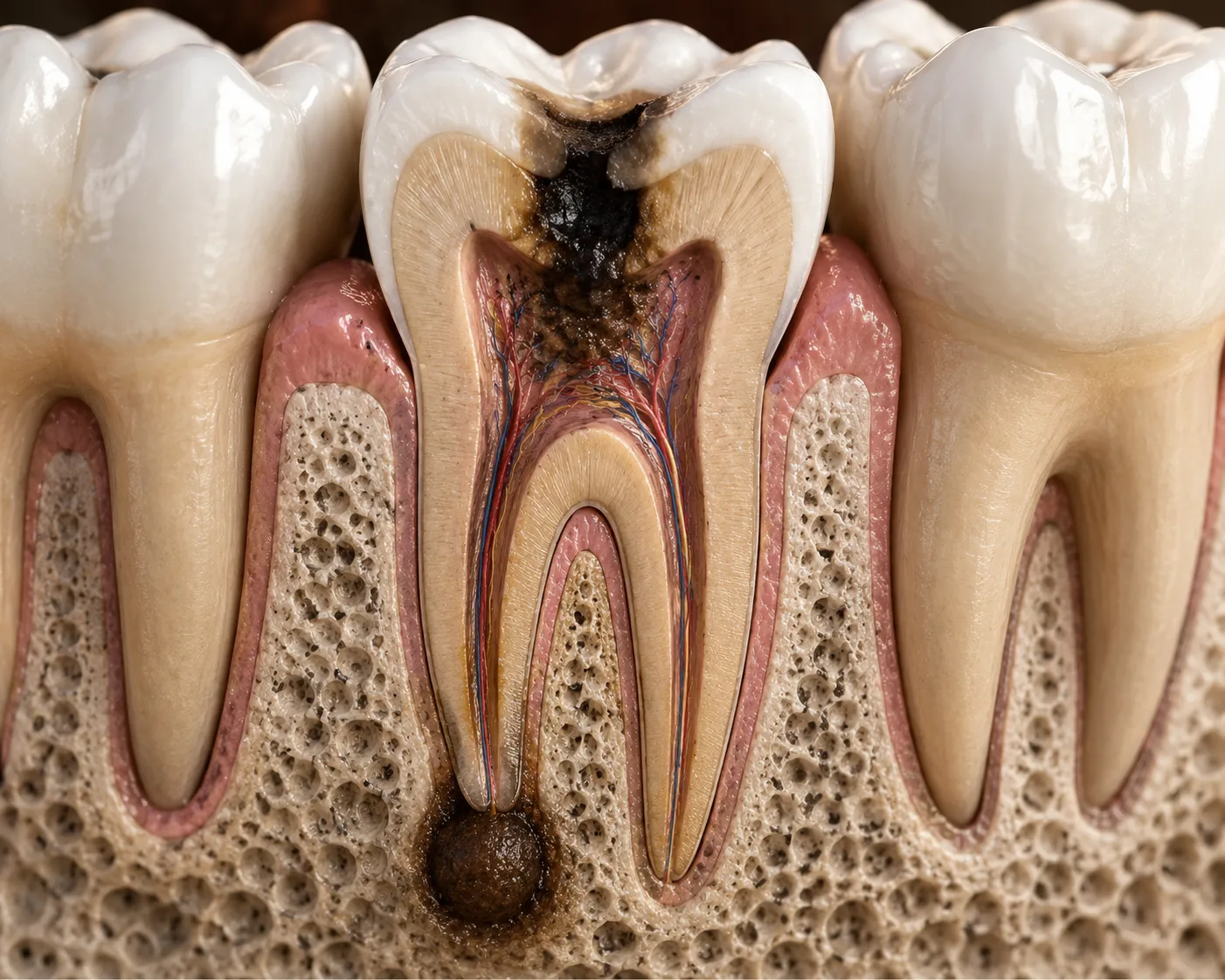
Inside every tooth is a soft tissue called dental pulp containing:
nerves
blood vessels
connective tissue
When this tissue becomes damaged or infected, treatment may be necessary to prevent:
severe pain
abscess formation
bone loss
spreading infection
tooth loss
Root canal treatment involves carefully cleaning and disinfecting the root canal system before sealing the tooth internally.
Why Does a Tooth Need Root Canal Treatment?
Several conditions may lead to pulp inflammation or infection.
Common causes include:
deep decay
untreated cavities
dental trauma
cracked teeth
repeated dental procedures
severe wear
advanced infection
In some cases, infection may develop gradually without severe pain during the early stages.
Regular dental examinations and digital imaging may help detect problems before they become more advanced.
Symptoms That May Indicate Root Canal Problems
Symptoms vary depending on the stage of inflammation or infection.
Possible signs may include:
tooth pain
prolonged sensitivity to hot or cold
pain while chewing
swelling
gum tenderness
tooth discoloration
abscess formation
pressure sensation
However, some infected teeth may produce minimal symptoms despite underlying damage.
Professional examination remains essential for accurate diagnosis.
Modern Endodontics and Digital Diagnostics
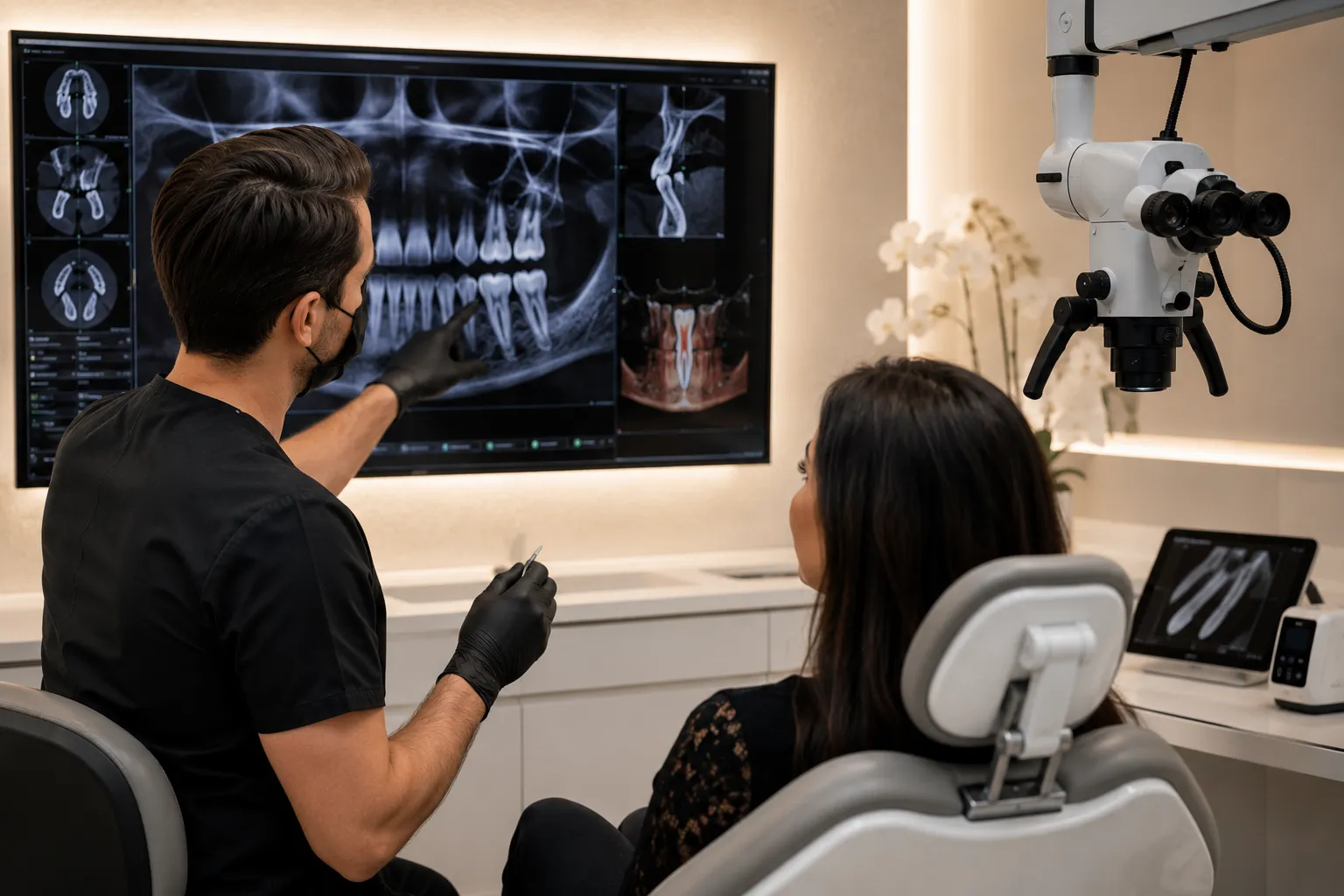
Modern root canal treatment depends heavily on precise diagnosis and careful visualization.
At DentisLife, endodontic evaluation may include:
digital radiography
CBCT imaging
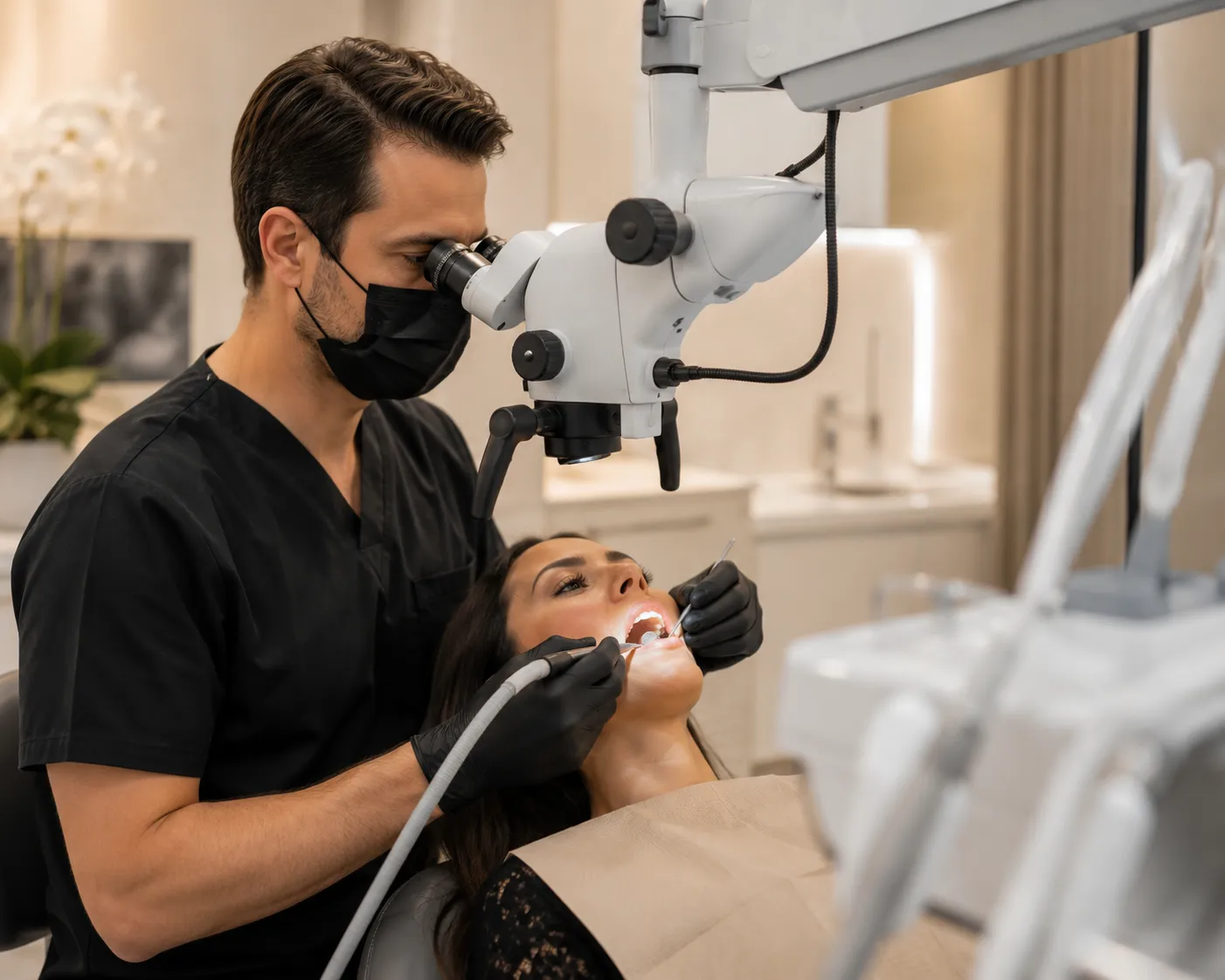
magnification systems
intraoral examination
bite analysis
restoration assessment
Digital diagnostics help improve:
canal detection
treatment precision
infection assessment
long-term predictability
preservation of healthy tooth structure
Modern endodontics focuses on conservative and biologically guided treatment whenever possible.
How Root Canal Treatment Is Performed
Although every case differs, root canal treatment generally includes several stages.
Diagnosis and Isolation
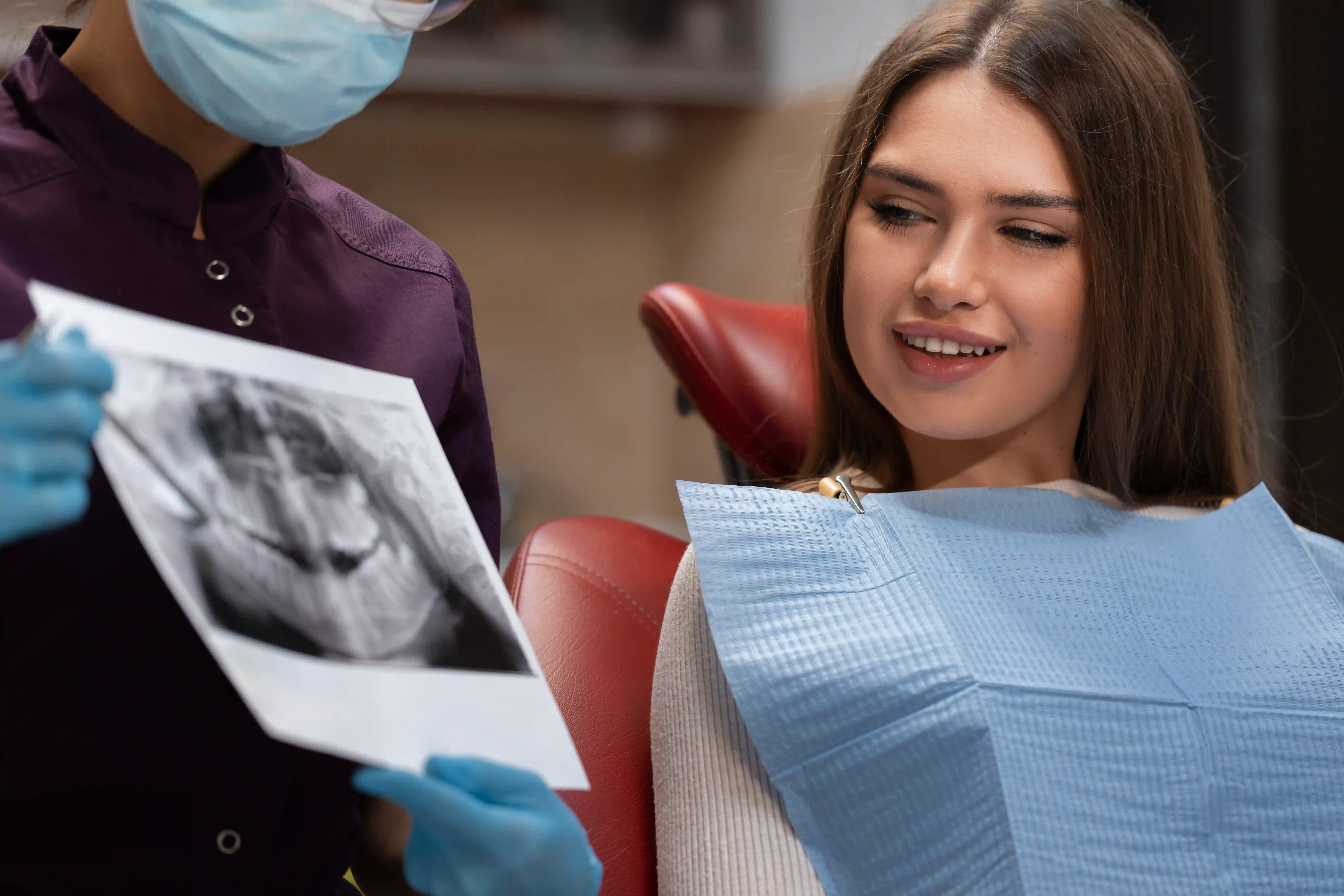
The tooth is evaluated clinically and radiographically before treatment begins.
Isolation systems such as rubber dam may be used to improve cleanliness and treatment control.
Cleaning and Disinfection
The infected tissue inside the canals is carefully removed.
Modern instrumentation and irrigation protocols help disinfect the root canal system.
Canal Shaping and Sealing
After cleaning, the canals are shaped and sealed with biocompatible filling materials designed to reduce bacterial contamination.
Final Restoration
After endodontic treatment, the tooth often requires a final restoration such as:
filling
ceramic onlay
crown
zirconia restoration
Long-term success depends not only on the root canal itself, but also on proper restorative protection afterward.
Is Root Canal Treatment Painful?
Modern root canal treatment is generally far more comfortable than many patients expect.
With local anesthesia and contemporary techniques, the procedure is usually focused on relieving infection-related pain rather than causing it.
However, temporary sensitivity or mild discomfort may occur after treatment depending on:
infection severity
inflammation level
tooth anatomy
bite pressure
Most patients return to normal activities shortly after treatment.
Tooth Preservation vs Extraction
Whenever medically appropriate, preserving the natural tooth is often preferable to extraction.
Natural teeth help maintain:
chewing function
jaw balance
bone support
neighboring tooth stability
long-term oral mechanics
At DentisLife, treatment planning prioritizes tooth preservation whenever long-term prognosis is considered reasonable.
However, severely compromised teeth may sometimes require extraction depending on structural damage and infection extent.
Retreatment and Complex Endodontic Cases
Some previously treated teeth may require additional endodontic evaluation.
Retreatment may become necessary because of:
persistent infection
incomplete canal treatment
fractured restorations
recurrent decay
complex anatomy
Advanced digital imaging and magnification may improve management of complex endodontic situations.
Every retreatment case requires careful assessment of long-term prognosis.
Root Canal Treatment and Crown Protection
After root canal therapy, many teeth become structurally weaker because of previous decay or tissue loss.
In selected cases, ceramic or zirconia crowns may help improve:
fracture resistance
functional stability
long-term durability
Restorative planning is an important part of successful endodontic treatment.
At DentisLife, restorative and endodontic planning are coordinated together whenever necessary.
Why Many International Patients Prefer Ankara for Endodontic Care
Patients seeking medically focused dental treatment often prefer structured healthcare environments.
Compared to highly tourism-oriented destinations, Ankara offers:
medically focused clinics
advanced diagnostics
digitally guided dentistry
structured follow-up care
long-term treatment planning
DentisLife emphasizes conservative dentistry and long-term oral health rather than rapid cosmetic-focused dental tourism.
Root Canal Treatment at DentisLife
DentisLife provides modern root canal treatment and endodontic care for international patients.
The clinic’s approach emphasizes:
digital diagnostics
precise endodontic treatment
tooth preservation
minimally invasive dentistry
biologically guided treatment
long-term restorative stability
Every case is evaluated individually according to anatomy, infection level and restorative prognosis.
Frequently Asked Questions About Root Canal Treatment
Can root canal treatment save a tooth?
Yes. Endodontic treatment is designed to preserve natural teeth whenever possible.
Is root canal treatment painful?
Modern treatment is usually much more comfortable than many patients expect.
How long does treatment take?
Treatment duration varies depending on anatomy and infection complexity.
Will the tooth need a crown afterward?
Some teeth may require crowns for long-term structural protection.
Can a previously treated tooth require retreatment?
Yes. Some complex cases may require additional treatment later.
Is extraction better than root canal treatment?
Whenever medically appropriate, preserving the natural tooth is often preferable.
Begin Your Endodontic Consultation at DentisLife
International patients can begin their digital dental consultation online with DentisLife.
DentisLife supports patients with:
digital evaluation
endodontic treatment planning
international patient communication
structured scheduling
long-term follow-up focused care
International Health Tourism Authorization Certificate
DentisLife is officially authorized by the Republic of Turkey Ministry of Health and holds the International Health Tourism Authorization Certificate.
This authorization confirms that international patient services are provided according to regulated healthcare standards and officially approved medical protocols in Turkey.