Restorative Dentistry
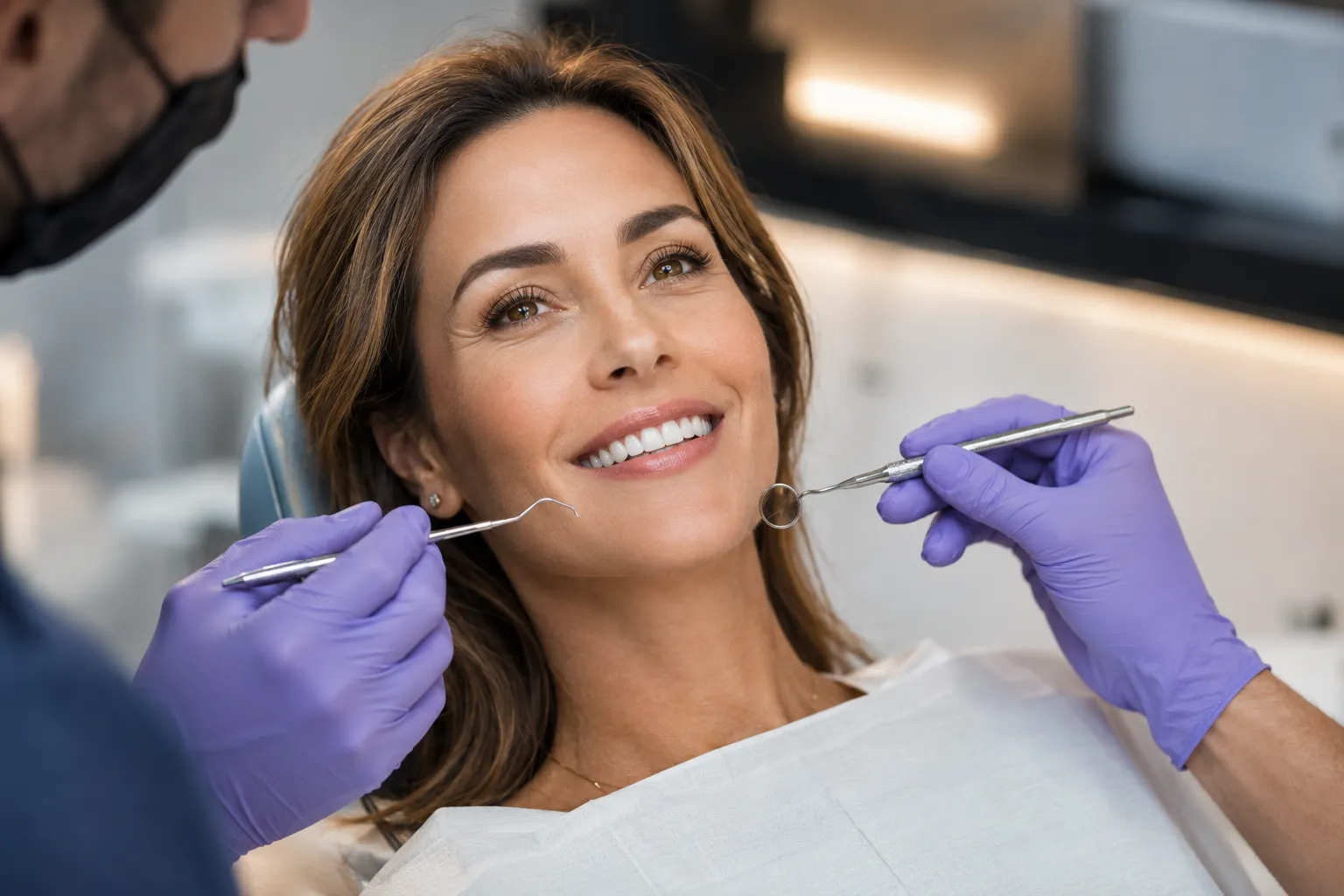
Modern restorative dentistry focuses on rebuilding damaged teeth while preserving long-term oral health, function and natural aesthetics. Tooth wear, fractures, decay and structural loss may affect not only appearance, but also chewing efficiency, bite balance and overall dental stability.
Today, restorative dentistry combines digital planning, modern ceramic materials and minimally invasive techniques to restore both function and smile harmony in a biologically guided way.
At DentisLife, restorative treatment is planned individually with a strong focus on tooth preservation, long-term durability and natural-looking results rather than aggressive cosmetic over-treatment.
The goal is to restore healthy oral function while preserving as much natural tooth structure as possible.
What Is Restorative Dentistry?
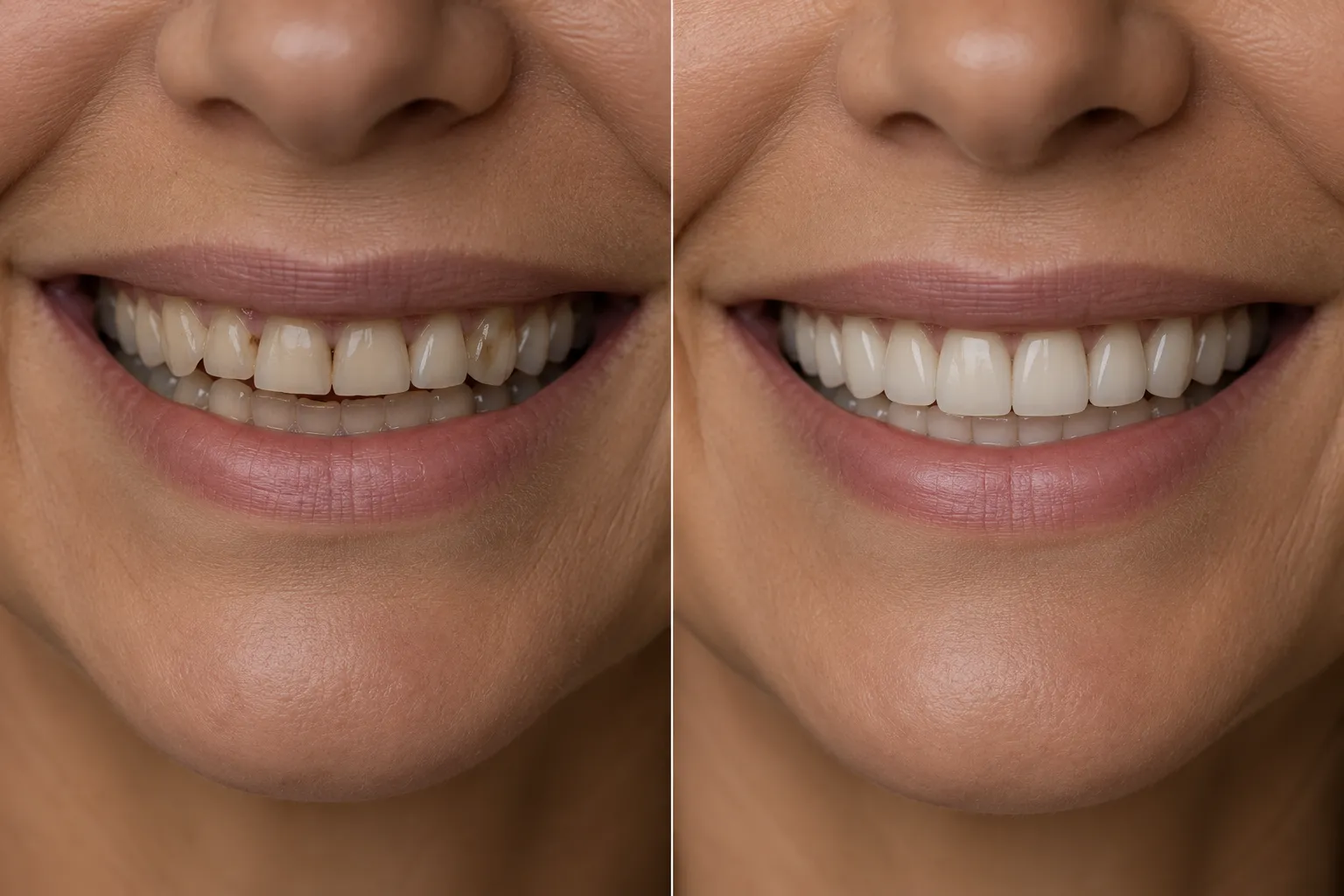
Restorative dentistry involves the diagnosis and treatment of damaged, decayed or structurally weakened teeth.
Treatment may help restore:
chewing function
tooth structure
bite balance
smile aesthetics
long-term oral stability
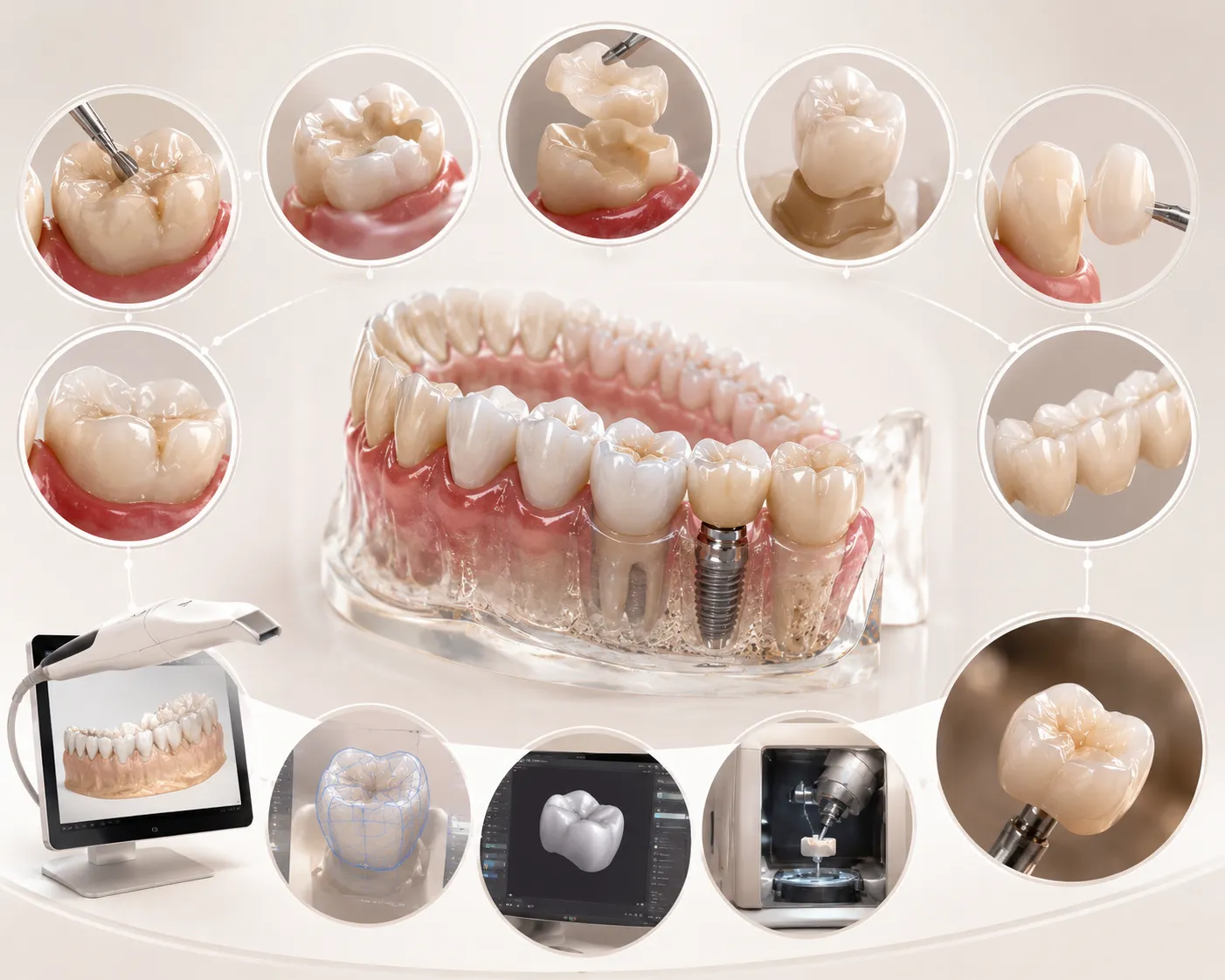
Modern restorative dentistry may involve:
composite fillings
ceramic restorations
inlays
onlays
crowns
tooth reconstruction
functional rehabilitation
The treatment approach depends on the amount of remaining tooth structure and long-term prognosis.
Why Teeth Become Structurally Damaged
Teeth may lose structural integrity for many different reasons.
Common causes include:
cavities
fractures
tooth wear
grinding
acid erosion
trauma
old restorations
large fillings
When tooth structure weakens significantly, proper restorative planning becomes important to preserve function and prevent further complications.
Composite Fillings
Modern composite restorations are commonly used for smaller and moderate defects.
Advantages may include:
tooth-colored appearance
conservative preparation
adhesive bonding
aesthetic integration
minimally invasive treatment
Modern composites are designed to blend naturally with surrounding enamel and tooth anatomy.
At DentisLife, restorative contouring and bite balance are carefully evaluated to support long-term function.
Ceramic Restorations
When larger structural support is needed, ceramic restorations may provide improved durability and aesthetics.
Modern ceramic restorations may include:
ceramic inlays
ceramic onlays
partial crowns
full crowns
zirconia restorations
E-Max restorations
Ceramic systems may offer:
natural translucency
high strength
stain resistance
long-term stability
improved esthetics
The ideal material depends on anatomy, bite force and restorative goals.
Inlays and Onlays
Inlays and onlays are conservative ceramic restorations used when a tooth requires more support than a simple filling but less reduction than a full crown.
Inlays
Inlays fit inside the cusps of the tooth.
Onlays
Onlays extend over one or more cusps to provide additional structural reinforcement.
These restorations may help preserve more natural tooth structure compared to full crowns in selected situations.
Full Mouth Restorative Rehabilitation
Some patients require more extensive restorative treatment because of:
severe tooth wear
grinding
acid erosion
multiple damaged teeth
bite collapse
long-term structural instability
Full mouth rehabilitation may combine:
ceramic restorations
crowns
bite reconstruction
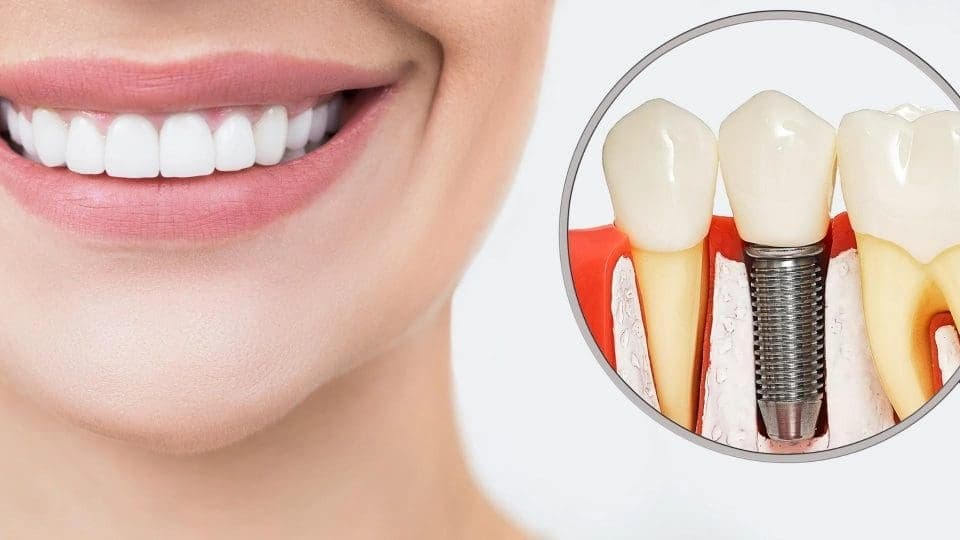
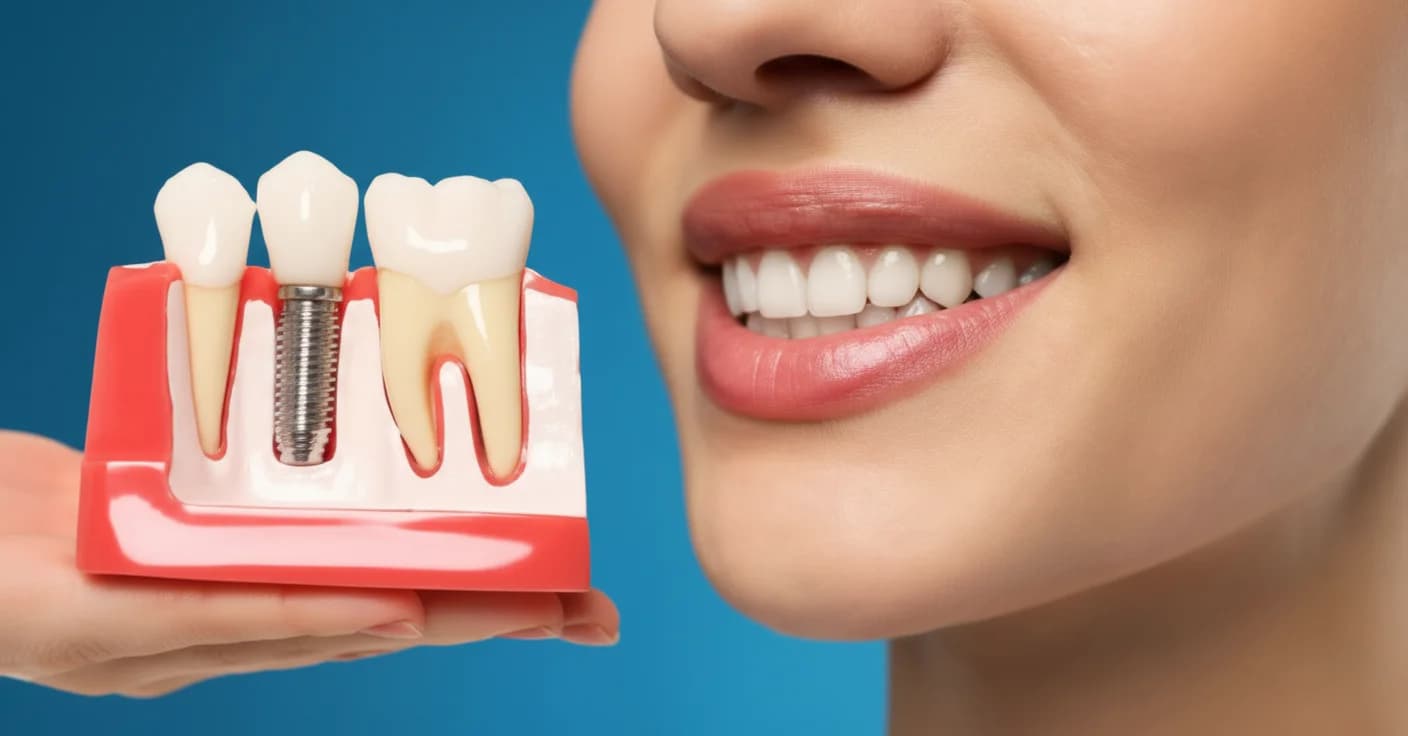
implant-supported restorations
functional rehabilitation
The goal is not only esthetic improvement, but restoration of healthy oral mechanics and long-term stability.
Restorative Dentistry and Bite Balance
Restorative dentistry should never focus only on appearance.
Improper bite relationships may contribute to:
tooth fractures
excessive wear
muscle tension
jaw discomfort
restoration failure
At DentisLife, functional evaluation and occlusal analysis are integrated into restorative treatment planning.
Long-term stability depends heavily on balanced oral mechanics.
Digital Dentistry in Restorative Treatment
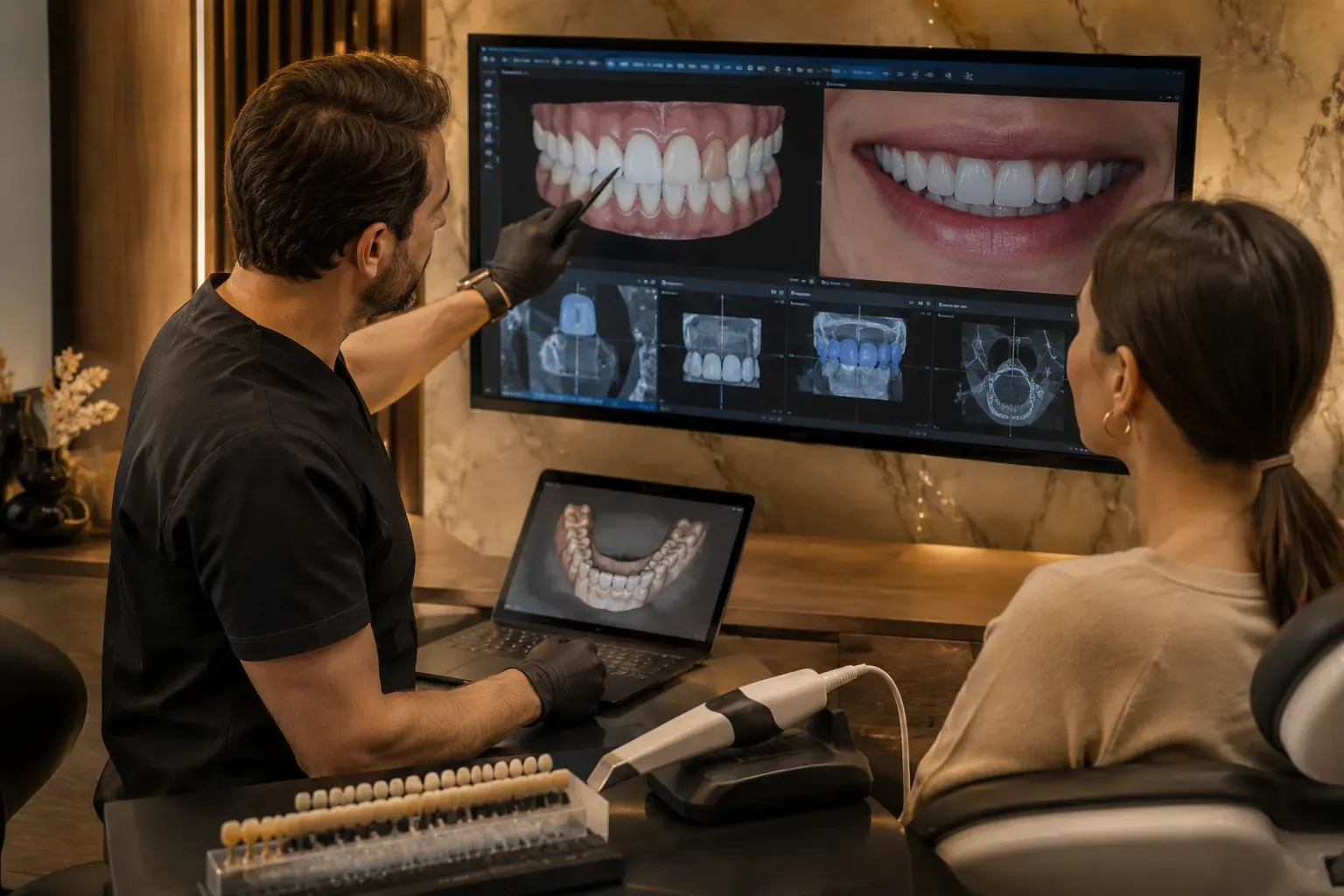
Modern restorative dentistry increasingly depends on digital technology.
At DentisLife, restorative planning may include:
intraoral scanning
digital smile analysis
bite analysis
CAD/CAM planning
high-resolution imaging
digital restoration design
Digital workflows improve:
restoration precision
fit accuracy
patient communication
esthetic planning
long-term predictability
Modern restorative dentistry combines technology with biologically guided treatment principles.
Conservative Dentistry and Tooth Preservation
Preserving natural tooth structure is one of the most important principles of modern restorative care.
Whenever possible, minimally invasive treatment approaches may help preserve:
enamel
dentin
tooth strength
long-term biological stability
At DentisLife, treatment planning prioritizes conservative dentistry whenever medically appropriate.
Natural Esthetics Instead of Artificial Cosmetic Trends
Restorative dentistry should support realistic and natural oral aesthetics.
At DentisLife, the focus remains on:
natural tooth anatomy
realistic translucency
facial harmony
healthy gum aesthetics
functional stability
long-term comfort
The goal is not to create artificial cosmetic uniformity, but healthy and individualized restorative outcomes.
Why Many International Patients Prefer Ankara for Restorative Dentistry
Patients seeking medically focused restorative dentistry often prefer structured healthcare environments.
Compared to heavily tourism-oriented destinations, Ankara offers:
medically oriented clinics
advanced diagnostics
digitally guided treatment
calmer clinical environments
long-term restorative planning
DentisLife focuses on conservative and functional rehabilitation rather than aggressive cosmetic tourism dentistry.
Restorative Dentistry at DentisLife
DentisLife provides modern restorative dental care for international patients using digitally guided and biologically focused treatment planning.
The clinic’s approach emphasizes:
tooth preservation
minimally invasive dentistry
digital diagnostics
ceramic restorations
functional bite balance
long-term restorative stability
Every treatment plan is individualized according to anatomy, functional demands and restorative goals.
Frequently Asked Questions About Restorative Dentistry
What is restorative dentistry?
Restorative dentistry focuses on rebuilding damaged or weakened teeth.
Are composite fillings aesthetic?
Yes. Modern composites are designed to blend naturally with teeth.
What is the difference between an inlay and onlay?
Inlays fit inside the tooth structure, while onlays cover one or more cusps.
Are ceramic restorations durable?
Modern ceramic materials are highly durable when properly planned and maintained.
Can restorative dentistry improve bite problems?
Yes. Functional rehabilitation may improve bite balance and oral mechanics.
Is tooth preservation important?
Yes. Preserving natural tooth structure remains a major goal of modern dentistry.
Begin Your Restorative Consultation at DentisLife
International patients can begin their digital restorative consultation online with DentisLife.
DentisLife supports patients with:
digital evaluation
restorative treatment planning
international patient communication
structured scheduling
long-term follow-up focused care
International Health Tourism Authorization Certificate
DentisLife is officially authorized by the Republic of Turkey Ministry of Health and holds the International Health Tourism Authorization Certificate.
This authorization confirms that international patient services are provided according to regulated healthcare standards and officially approved medical protocols in Turkey.