Oral Surgery
Modern oral surgery includes a wide range of advanced surgical procedures involving teeth, jawbone, soft tissues and surrounding oral structures. Contemporary oral surgery focuses not only on surgical treatment itself, but also on precise diagnostics, tissue preservation, controlled healing and long-term functional rehabilitation.
Today, digital imaging and minimally invasive surgical concepts allow oral surgery to be planned with significantly greater precision and safety than in the past.
At DentisLife, oral surgery is approached as a medically guided and digitally planned process focused on patient safety, anatomical precision and long-term treatment stability rather than aggressive high-volume surgical dentistry.
The goal is to support healthy healing, preserve important anatomical structures and improve long-term oral function through carefully planned surgical treatment.
What Is Oral Surgery?
Oral surgery includes surgical procedures involving:
teeth
jawbone
soft tissues
surrounding oral anatomy
Modern oral surgical treatment may include:
wisdom tooth surgery
surgical tooth extraction
impacted tooth removal
bone grafting
implant-related surgery
soft tissue surgery
cyst removal
pre-prosthetic surgery
sinus lift procedures
Modern oral surgery combines advanced diagnostics with biologically guided healing concepts.
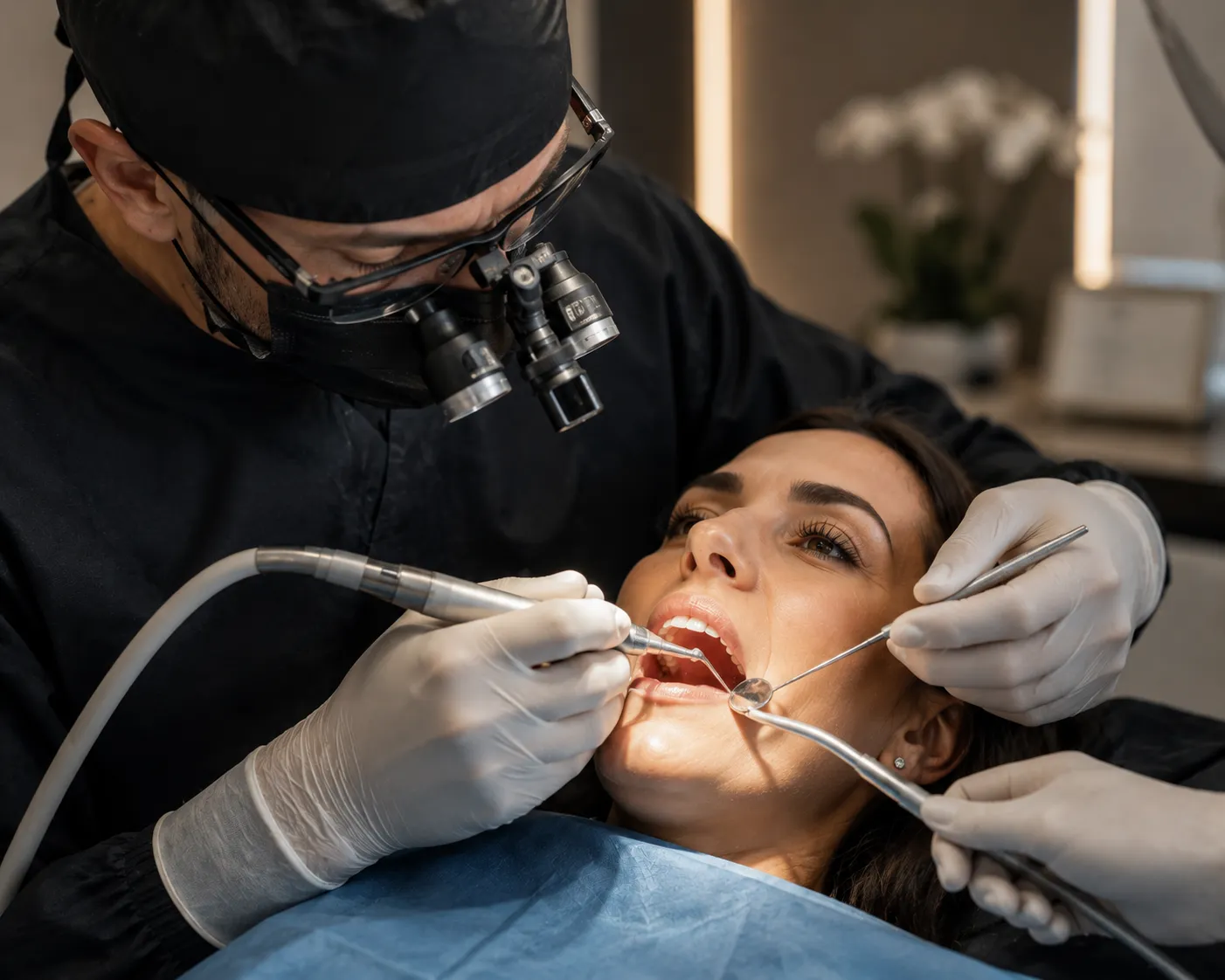
Wisdom Tooth Surgery
Wisdom teeth are among the most common reasons for oral surgical treatment.
Problems associated with wisdom teeth may include:
impaction
infection
pain
gum inflammation
pressure on neighboring teeth
cyst formation risk
orthodontic complications
Some wisdom teeth remain stable and symptom-free, while others may require surgical management depending on anatomy and long-term prognosis.
At DentisLife, digital imaging is used to evaluate:
tooth position
nerve relationships
bone structure
surgical complexity
before treatment planning begins.
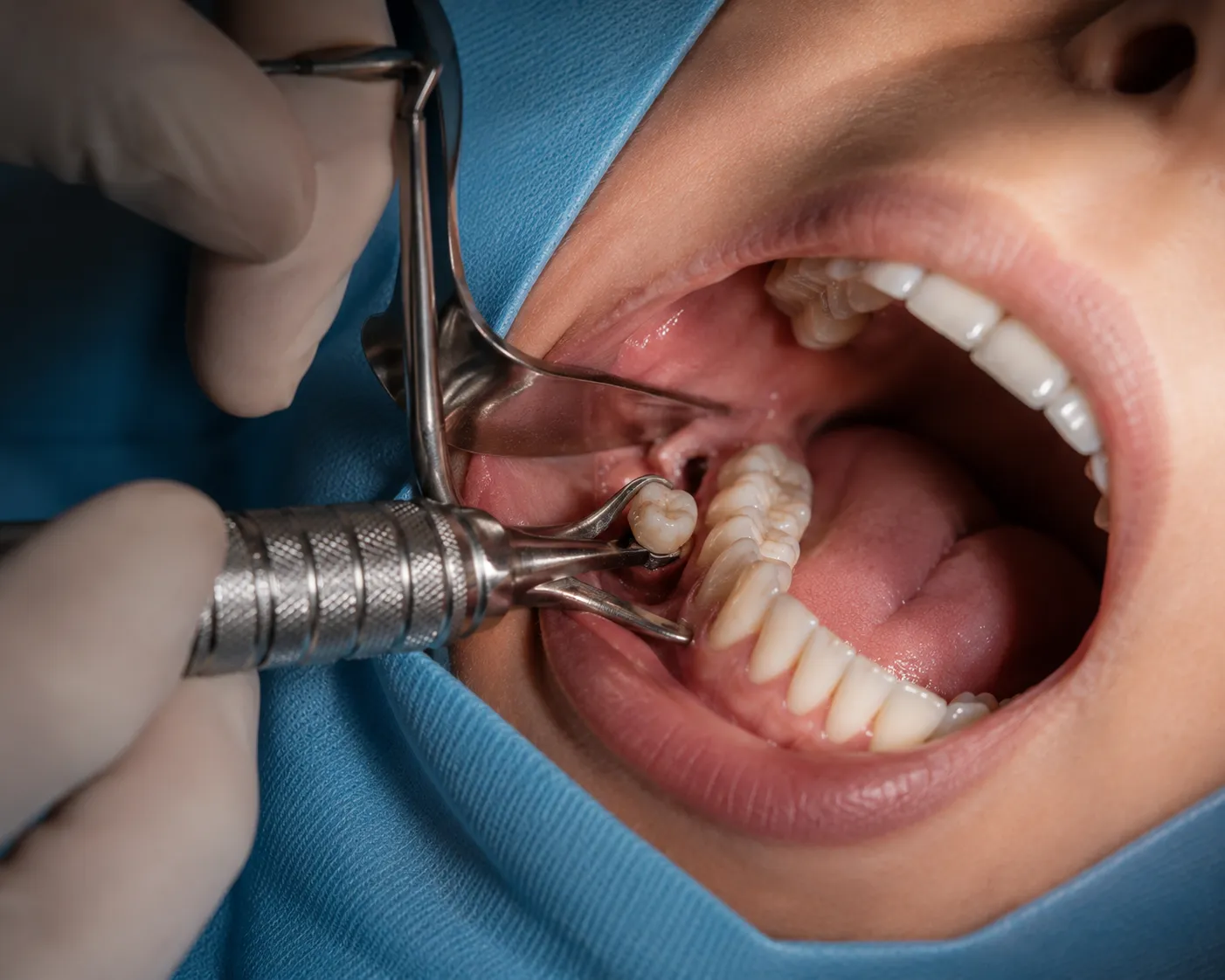
Surgical Tooth Extractions
Some teeth cannot be removed through simple extraction techniques because of:
impacted positioning
root fractures
severe structural damage
difficult anatomy
advanced infection
Modern surgical extraction techniques aim to preserve:
surrounding bone
soft tissue
neighboring teeth
long-term restorative possibilities
Minimally traumatic surgical concepts are important for long-term healing quality.
Bone Grafting and Bone Preservation
Bone preservation plays an important role in modern oral surgery.
Bone grafting procedures may become necessary because of:
bone loss
periodontal disease
tooth extraction
implant preparation
long-term structural instability
Bone management procedures may help support:
future implant placement
tissue stability
facial support
prosthetic rehabilitation
At DentisLife, surgical planning often considers future restorative and implant possibilities before treatment begins.
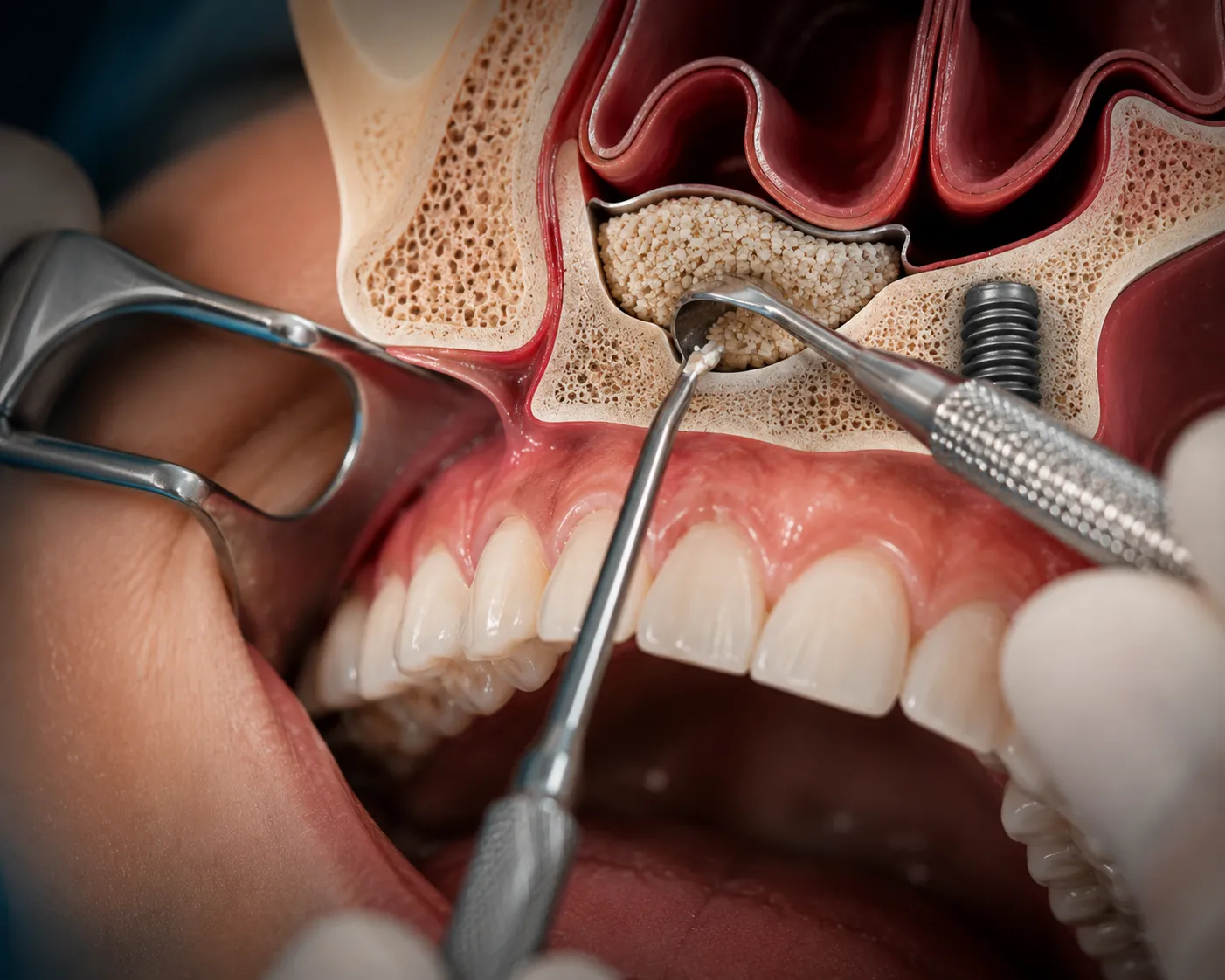
Sinus Lift Procedures
In some upper jaw cases, insufficient bone height may limit implant planning.
Sinus lift procedures may help create additional bone support in selected situations.
Digital diagnostics are extremely important for evaluating:
sinus anatomy
available bone volume
implant positioning
surgical safety
Every sinus lift procedure requires individualized planning according to anatomy and long-term treatment goals.
Digital Diagnostics in Oral Surgery
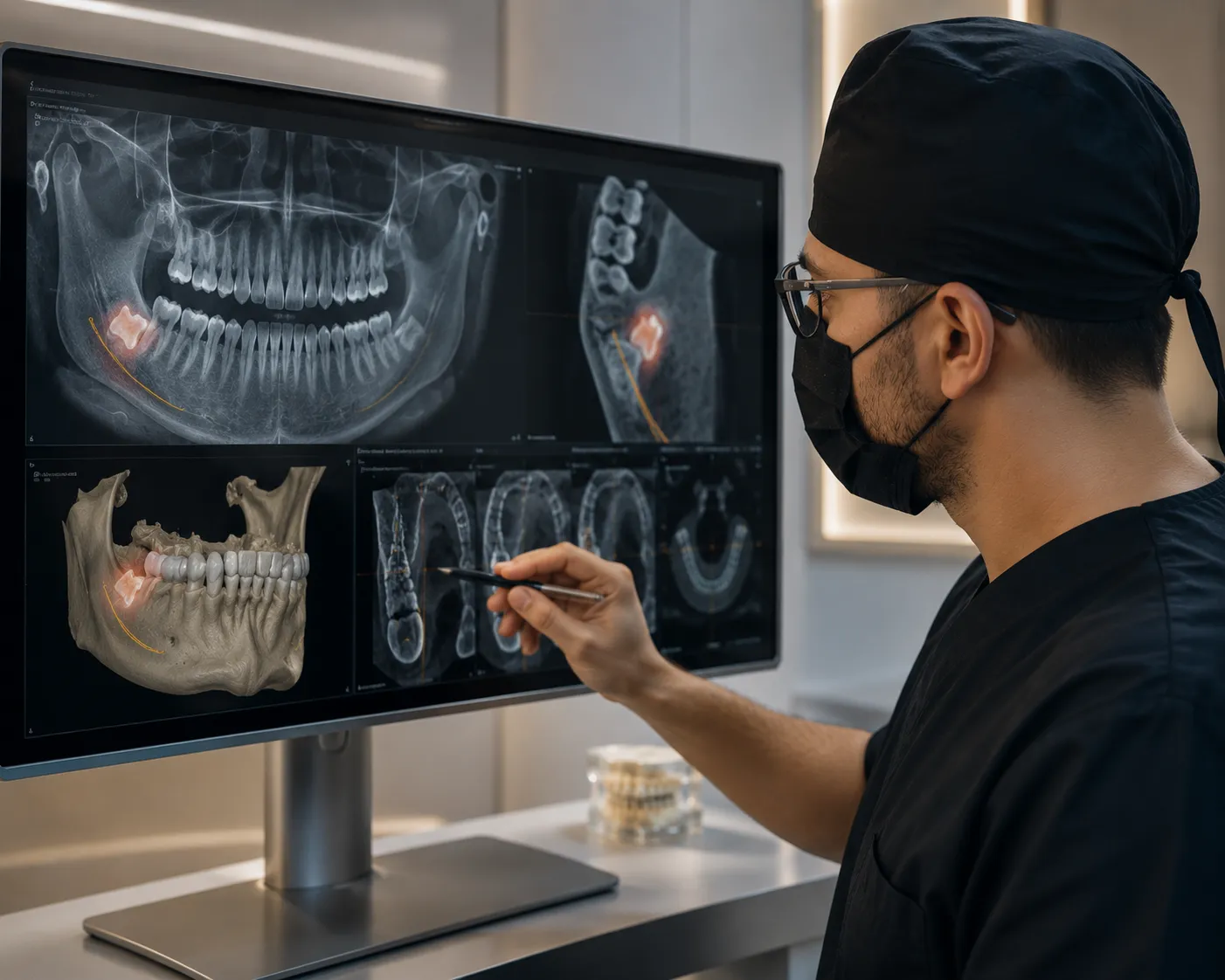
Modern oral surgery depends heavily on advanced imaging technologies.
At DentisLife, surgical diagnostics may involve:
digital radiography
CBCT imaging
3D anatomical evaluation
nerve mapping
bone density analysis
digital surgical planning
Digital workflows improve:
surgical precision
complication prevention
treatment safety
minimally invasive planning
long-term predictability
Precise planning is especially important near delicate anatomical structures.
Minimally Invasive Surgical Concepts
Modern oral surgery increasingly focuses on preserving:
healthy bone
soft tissue
anatomical structures
vascular supply
long-term biological stability
Minimally invasive surgical approaches may help improve:
healing quality
patient comfort
tissue preservation
implant rehabilitation possibilities
post-operative recovery
At DentisLife, surgical procedures are planned conservatively whenever medically appropriate.
Healing After Oral Surgery
Healing quality is one of the most important factors influencing surgical success.
Patients are generally advised to pay attention to:
smoking
alcohol
oral hygiene
nutrition
physical activity
post-operative instructions
follow-up visits
Aggressive tourism schedules and insufficient healing time may negatively affect surgical recovery.
At DentisLife, treatment planning prioritizes medically guided healing and long-term tissue stability rather than rushed treatment timelines.
Oral Surgery and Implant Dentistry
Modern oral surgery is closely connected with implantology and restorative dentistry.
Surgical planning may involve:
bone preservation
implant preparation
soft tissue management
long-term prosthetic planning
At DentisLife, oral surgery and implant rehabilitation are coordinated together through interdisciplinary planning.
This helps support long-term function and biological stability.
Anxiety and Oral Surgery
Many patients experience anxiety before oral surgical procedures.
Modern dentistry may help improve comfort through:
digital planning
careful communication
minimally invasive approaches
controlled anesthesia
structured treatment protocols
A medically calm and professionally organized environment may significantly improve the patient experience.
Why Many International Patients Prefer Ankara for Oral Surgery
Patients seeking medically focused surgical dentistry often prefer structured healthcare environments over highly tourism-oriented destinations.
Compared to heavily touristic cities, Ankara offers:
medically oriented clinics
digitally planned surgery
advanced diagnostics
calmer healing conditions
structured long-term follow-up
DentisLife emphasizes medically guided oral surgery and long-term rehabilitation instead of aggressive tourism-focused marketing.
Oral Surgery at DentisLife
DentisLife provides modern oral surgery procedures for international patients using digitally guided diagnostics and biologically focused treatment concepts.
The clinic’s approach emphasizes:
digital diagnostics
minimally invasive surgery
surgical precision
bone preservation
patient safety
long-term rehabilitation planning
Every surgical case is individually planned according to anatomy, healing conditions and restorative goals.
Frequently Asked Questions About Oral Surgery
Is oral surgery painful?
Modern anesthesia and surgical techniques significantly improve patient comfort.
Do all wisdom teeth require surgery?
No. Treatment depends on anatomy, symptoms and long-term prognosis.
What is bone grafting?
Bone grafting helps rebuild or preserve bone structure in selected cases.
Why is CBCT imaging important?
CBCT imaging improves surgical precision and anatomical evaluation.
How long does healing take after oral surgery?
Healing time varies depending on the complexity of the procedure and patient factors.
Can oral surgery support future implants?
Yes. Many surgical procedures are planned together with future implant rehabilitation.
Begin Your Oral Surgery Consultation at DentisLife
International patients can begin their digital surgical consultation online with DentisLife.
DentisLife supports patients with:
digital evaluation
surgical treatment planning
international patient communication
structured scheduling
long-term follow-up focused care
International Health Tourism Authorization Certificate
DentisLife is officially authorized by the Republic of Turkey Ministry of Health and holds the International Health Tourism Authorization Certificate.
This authorization confirms that international patient services are provided according to regulated healthcare standards and officially approved medical protocols in Turkey.