Non-Prep Veneers: Minimal Prep Veneers and Conservative Smile Design
Modern aesthetic dentistry is increasingly moving toward conservative and minimally invasive treatment concepts. Many patients today want to improve their smile while preserving as much natural tooth structure as possible.
Non-prep veneers, also known as minimal prep veneers, are among the most conservative ceramic smile enhancement options in modern aesthetic dentistry.
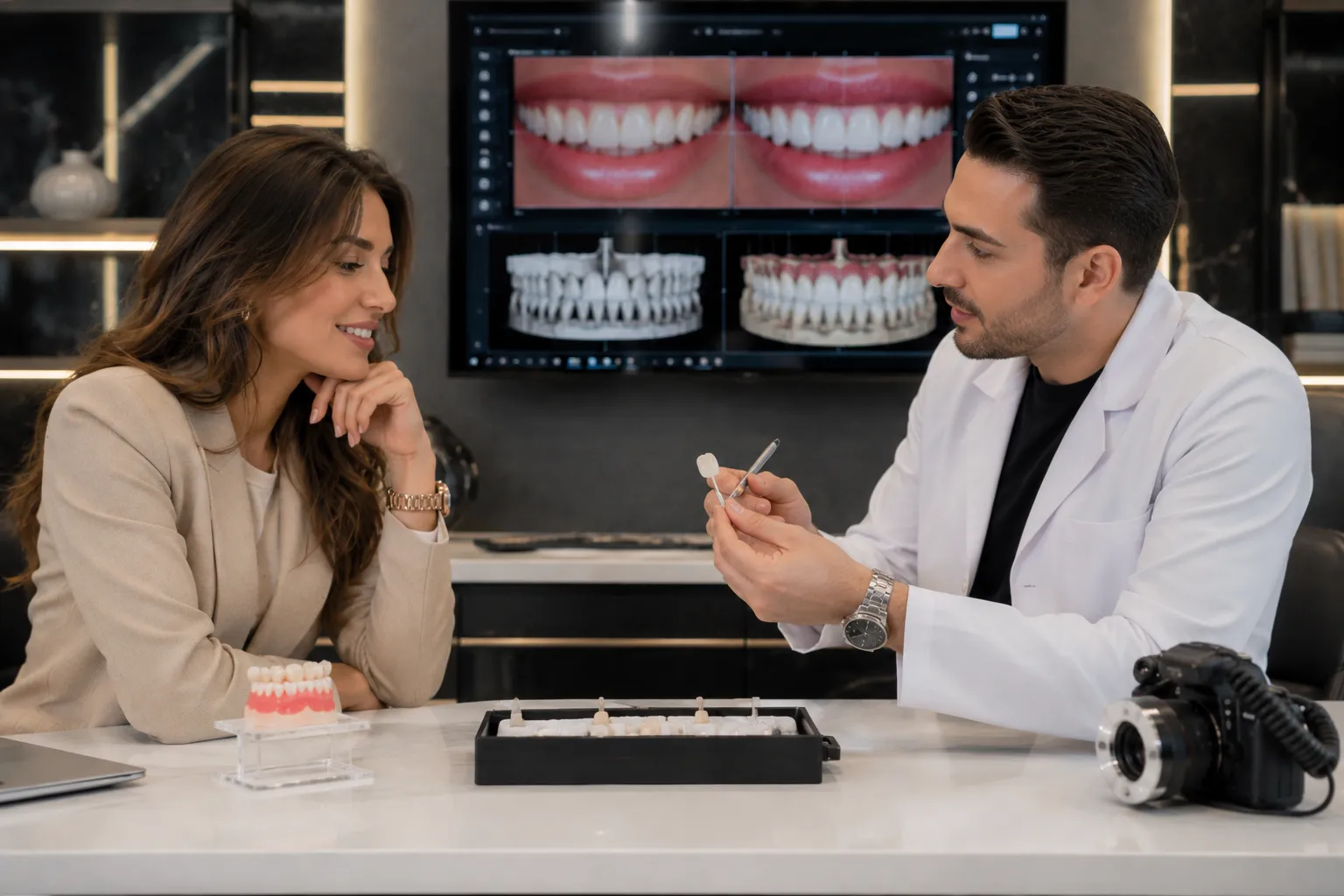
At DentisLife in Ankara, Turkey, non-prep veneer treatment is planned with a strong focus on tooth preservation, facial harmony and natural esthetics rather than aggressive cosmetic transformation.
For suitable patients, this approach may allow aesthetic improvements with little or no significant reduction of healthy enamel.
What Are Non-Prep Veneers?
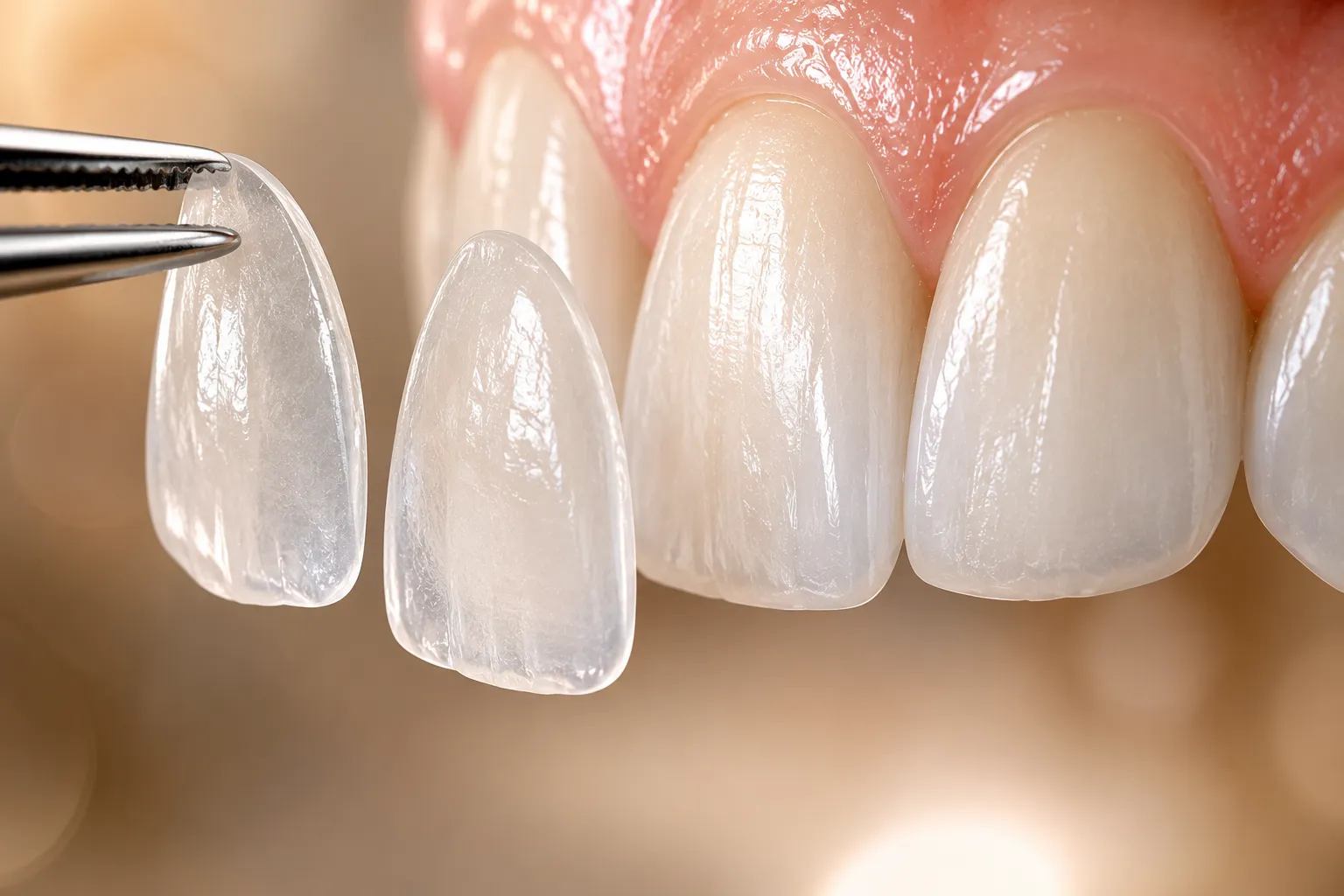
Non-prep veneers are ultra-thin ceramic restorations bonded to the front surface of the teeth with minimal or no aggressive tooth preparation.
Unlike traditional crowns and some conventional veneer approaches, non-prep veneers are designed to preserve natural enamel whenever possible.
These restorations may be used to improve:
small gaps between teeth
slight asymmetries
minor discoloration
uneven tooth proportions
worn edges
mild shape irregularities
smile harmony
The goal is not to create an artificial “perfect white smile,” but to enhance the natural appearance of the teeth while maintaining biological balance.
Why Tooth Preservation Matters
Modern aesthetic dentistry increasingly emphasizes conservative treatment planning.
Healthy enamel is one of the most valuable structures in dentistry. Preserving enamel may support:
stronger bonding durability
improved long-term tooth health
reduced sensitivity risks
more conservative future treatment options
At DentisLife, the philosophy of non-prep veneer treatment is based on preserving healthy tooth structure whenever medically appropriate.
Not every patient requires aggressive tooth reduction to achieve aesthetic improvement.
Who Is a Good Candidate for Non-Prep Veneers?
Non-prep veneers are not suitable for every smile.
They are often more appropriate for patients with:
naturally smaller teeth
slight spacing between teeth
mild discoloration
limited shape corrections
relatively aligned teeth
healthy enamel structure
Patients with severe crowding, large restorations, strong bite forces or major color changes may require alternative treatment approaches.
At DentisLife, each case is individually evaluated using digital smile analysis and functional examination to determine whether non-prep veneers are the most stable long-term solution.
Non-Prep Veneers vs Traditional Veneers
Many patients assume all veneers are the same, but treatment approaches may differ significantly.
Non-Prep Veneers
Non-prep veneers focus on:
maximum enamel preservation
minimal intervention
subtle natural enhancement
conservative smile improvement
Traditional Veneers
Traditional veneers may require more tooth preparation in some cases, especially when:
major shape changes are needed
darker tooth color must be masked
stronger bite corrections are required
larger restorative transformations are planned
Neither approach is universally “better.” The correct treatment depends on anatomy, function, esthetic goals and long-term biological considerations.
Materials Used for Minimal Prep Veneers
Modern non-prep veneers are usually fabricated from highly esthetic ceramic materials.
E-Max Ceramic Veneers
E-Max ceramic is one of the most commonly used materials for minimal prep veneers because of its:
translucency
natural light reflection
refined esthetics
thin ceramic strength
enamel-like appearance
When carefully planned, E-Max veneers can provide highly natural-looking smile enhancement.
Ultra-Thin Ceramic Restorations
Modern ceramic technologies allow restorations to be produced with extremely thin structures while maintaining esthetic quality and bonding stability.
Digital laboratory workflows improve:
veneer precision
smile symmetry
edge adaptation
esthetic consistency
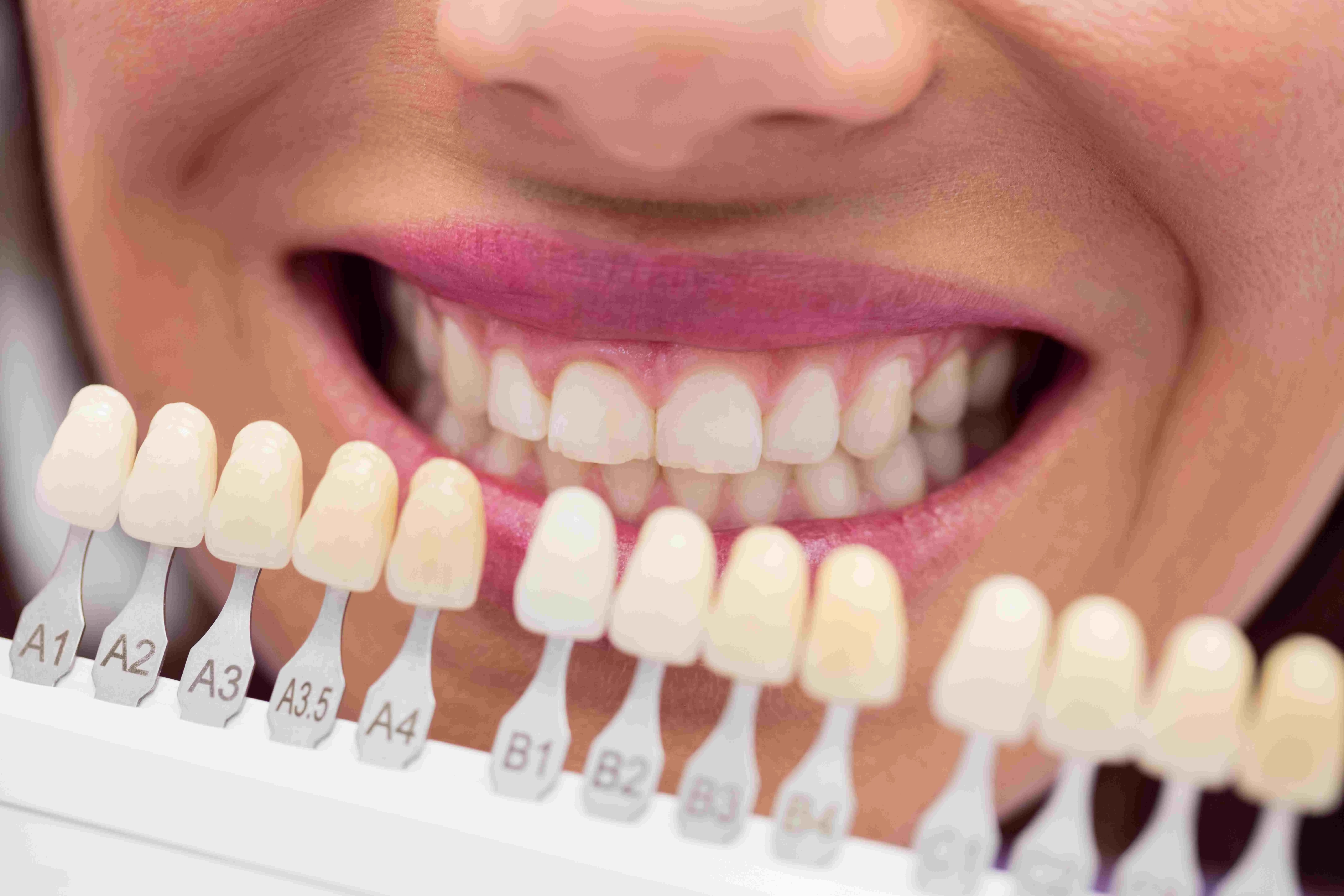
Digital Smile Design and Veneer Planning
At DentisLife, veneer treatment planning involves more than simply placing ceramic restorations.
Digital workflows may include:
intraoral scanning
facial analysis
digital smile simulation
high-resolution photography
occlusal evaluation
mock-up planning
These technologies help improve communication and allow patients to better understand the planned esthetic direction before treatment begins.
The Treatment Process for Non-Prep Veneers
Consultation and Smile Analysis
The first stage includes a detailed aesthetic and functional assessment.
The dentist evaluates:
smile proportions
tooth anatomy
enamel condition
gum symmetry
bite relationship
patient expectations
Digital Planning and Preparation
In suitable cases, little or no enamel reduction may be required.
Digital planning helps determine:
veneer thickness
smile balance
facial harmony
natural contour transitions
Veneer Fabrication and Bonding
Custom ceramic veneers are fabricated and bonded carefully to the tooth surface.
Precise bonding protocols are essential for:
long-term durability
marginal integrity
esthetic longevity
Natural Esthetics Instead of Artificial “Turkey Teeth”
Many international patients today are specifically searching for natural-looking smile design rather than exaggerated cosmetic results.
At DentisLife in Ankara, the focus remains on:
natural proportions
conservative dentistry
facial harmony
healthy gum appearance
realistic tooth anatomy
long-term tissue stability
Aesthetic dentistry should enhance the patient’s natural appearance rather than create artificial uniformity.
Healing and Long-Term Maintenance
Non-prep veneers are generally less invasive than crowns or surgical procedures, but long-term maintenance remains important.
Patients are advised to maintain:
regular oral hygiene
routine professional cleaning
careful biting habits
follow-up controls
night guards if necessary
Even highly aesthetic restorations require long-term care to maintain stability and appearance.
Why Many International Patients Prefer Ankara for Conservative Aesthetic Dentistry
Patients seeking medically focused aesthetic dentistry often prefer calmer and more structured healthcare environments.
Compared to highly tourism-oriented coastal destinations, Ankara offers:
medically focused clinics
digital planning workflows
structured treatment approaches
quieter recovery atmosphere
long-term restorative perspective
DentisLife focuses on individualized smile rehabilitation rather than fast cosmetic tourism.
Non-Prep Veneers at DentisLife
DentisLife provides minimally invasive veneer treatment for international patients visiting Ankara, Turkey.
The clinic’s approach emphasizes:
enamel preservation
natural aesthetics
conservative smile enhancement
digital smile planning
minimally invasive dentistry
long-term restorative stability
Every veneer case is individually planned according to facial structure, tooth anatomy and functional balance.
Frequently Asked Questions About Non-Prep Veneers
Do non-prep veneers damage teeth?
In suitable cases, non-prep veneers preserve most or all natural enamel.
Are non-prep veneers permanent?
Although conservative, veneer treatment is still considered a long-term restorative procedure.
Can non-prep veneers look natural?
Yes. When properly planned, they may provide highly natural esthetic results.
Are non-prep veneers suitable for everyone?
No. Severe crowding, discoloration or functional issues may require different treatment options.
What material is used for non-prep veneers?
Highly esthetic ceramic materials such as E-Max are commonly used.
Do non-prep veneers stain?
Ceramic veneers are generally more stain-resistant than composite materials.
Begin Your Veneer Consultation at DentisLife
International patients can begin their digital veneer consultation online with DentisLife in Ankara, Turkey.
DentisLife supports patients with:
digital smile evaluation
individualized planning
international patient communication
structured scheduling
long-term follow-up focused care
International Health Tourism Authorization Certificate
DentisLife is officially authorized by the Republic of Turkey Ministry of Health and holds the International Health Tourism Authorization Certificate.
This authorization confirms that international patient services are provided according to regulated healthcare standards and officially approved medical protocols in Turkey.