Composite Bonding: Minimally Invasive Aesthetic Dentistry
Composite bonding is one of the most conservative aesthetic dentistry treatments used to improve the appearance of teeth without aggressive tooth preparation. It can be an excellent option for patients who want to correct small imperfections, reshape teeth, close minor gaps or improve smile harmony while preserving as much natural tooth structure as possible.
At DentisLife in Ankara, Turkey, composite bonding is planned as a personalized aesthetic treatment rather than a quick cosmetic procedure. The focus is on natural proportions, facial harmony, tooth preservation and long-term maintenance.
For international patients, composite bonding can be especially attractive because it may often be completed in fewer appointments compared with more complex restorative treatments. However, the treatment still requires careful planning, material selection and precise artistic application.
What Is Composite Bonding?
Composite bonding is a minimally invasive dental treatment in which tooth-colored composite resin is applied directly to the tooth surface. The material is shaped, hardened and polished to improve the appearance of the tooth.
Composite bonding may be used to improve:
small gaps between teeth
chipped or worn edges
minor shape irregularities
slight asymmetries
localized discoloration
small surface defects
uneven tooth length
natural smile harmony
Unlike crowns or some veneer treatments, composite bonding often requires little or no removal of healthy tooth structure in suitable cases.
Who Is a Good Candidate for Composite Bonding?
Composite bonding may be suitable for patients who have generally healthy teeth and gums but want subtle aesthetic improvements.
It may be considered for patients with:
small spaces between front teeth
minor chips or fractures
slightly uneven tooth shapes
mild discoloration
naturally small teeth
previous small restorations
desire for conservative smile enhancement
However, composite bonding may not be ideal for every patient. Severe crowding, heavy bite forces, advanced tooth wear, large fractures or major color changes may require alternative treatments such as veneers, zirconia crowns, orthodontics or full smile design planning.
At DentisLife, each case is evaluated individually to determine whether composite bonding is the most stable and medically appropriate option.
Composite Bonding vs Veneers
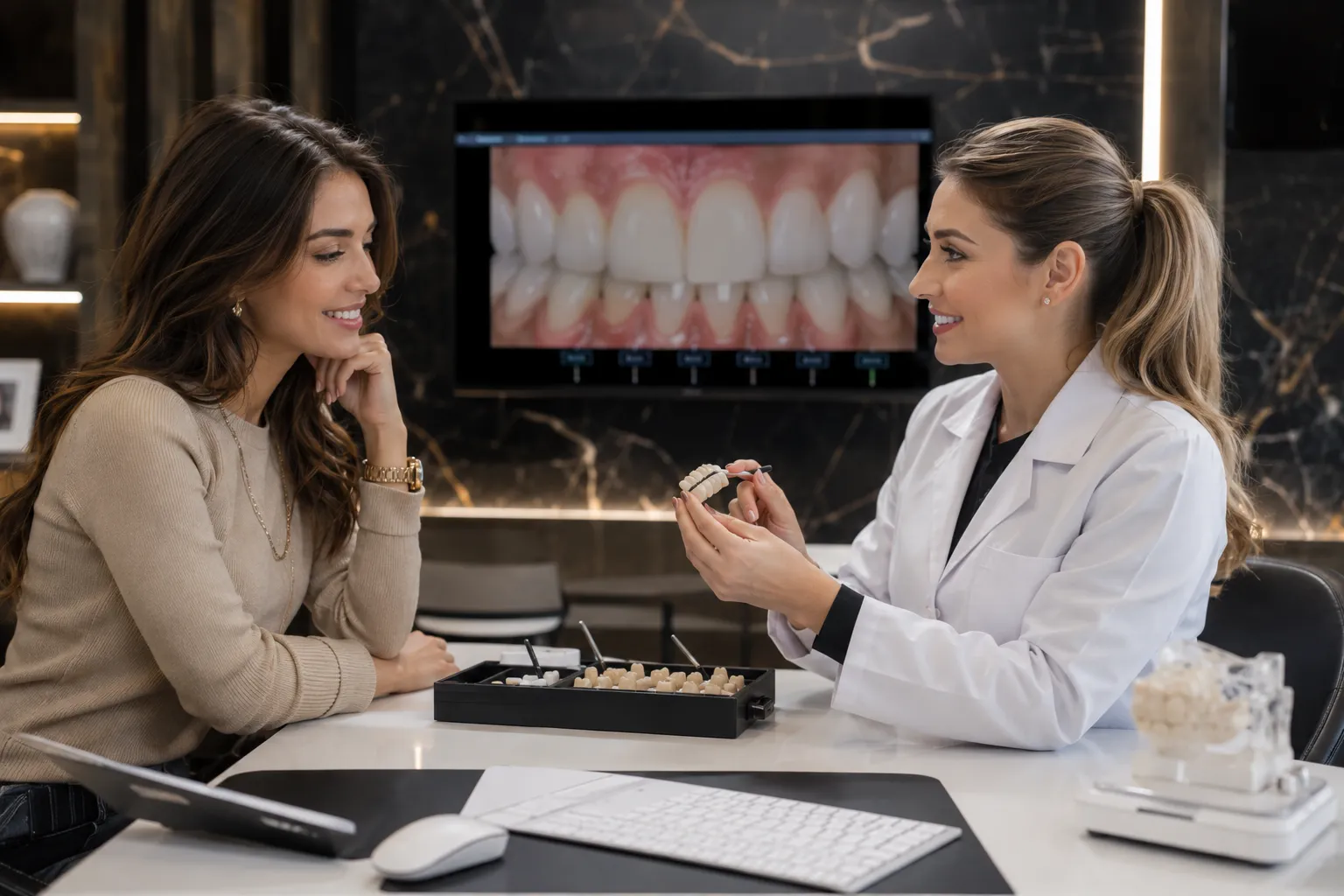
Many patients compare composite bonding with porcelain veneers or E-Max veneers.
Composite bonding is usually more conservative and can often be completed faster. It is applied directly to the tooth and shaped by the dentist during the appointment.
Porcelain veneers, on the other hand, are laboratory-made ceramic restorations. They may offer higher color stability, stronger surface resistance and longer-lasting aesthetic performance in some cases.
Composite bonding may be more suitable for:
small corrections
patients seeking a minimally invasive option
younger patients
trial smile improvements
localized tooth reshaping
Veneers may be more suitable for:
more extensive smile transformations
stronger color change
larger shape corrections
long-term ceramic aesthetics
cases requiring higher surface durability
The right choice depends on tooth structure, smile goals, bite forces and long-term expectations.
How Composite Bonding Is Performed at DentisLife
The composite bonding process begins with a detailed aesthetic and functional assessment.
Initial Consultation and Smile Evaluation
During the first stage, the dentist evaluates:
tooth shape
smile line
tooth color
gum symmetry
bite relationship
existing restorations
patient expectations
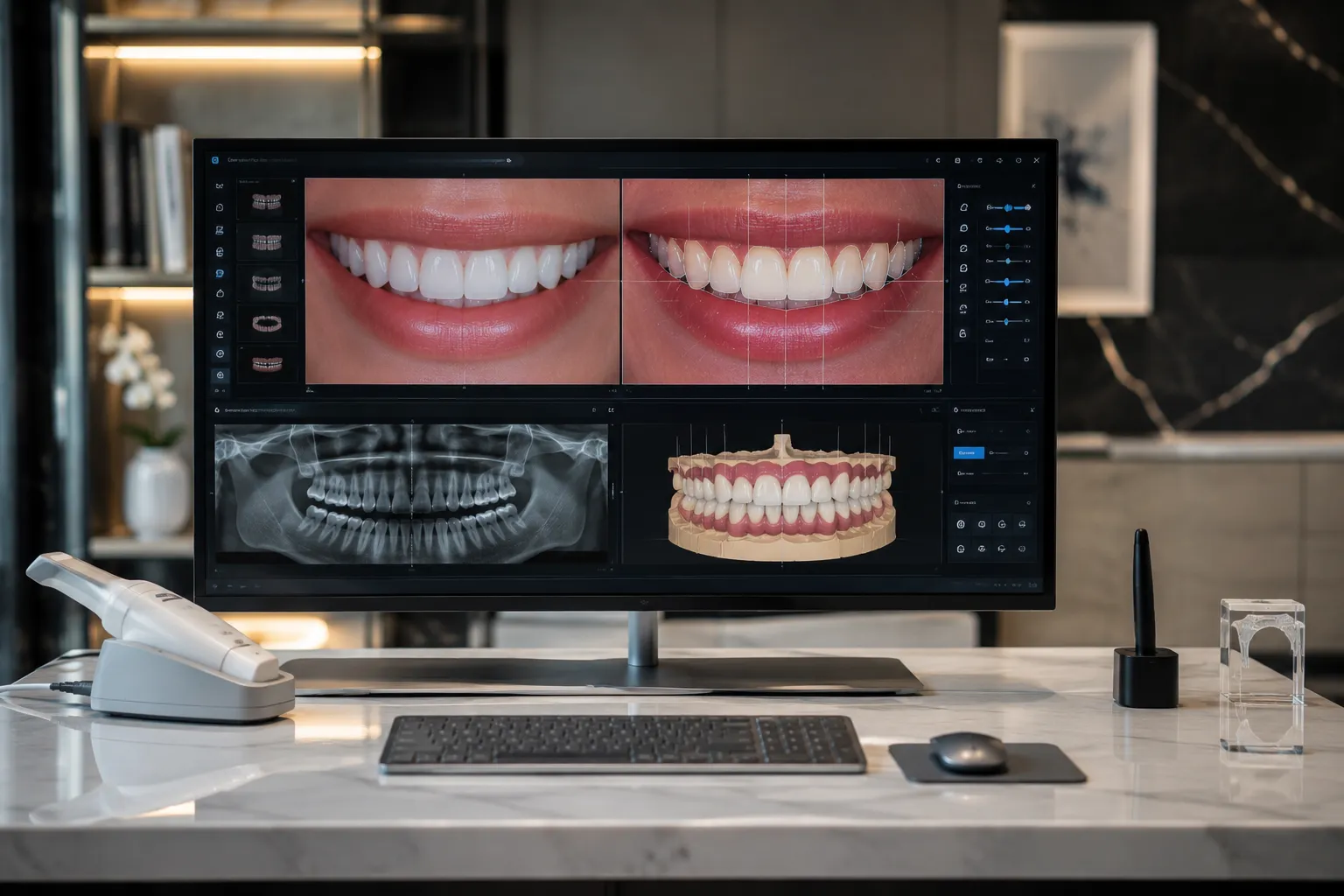
Digital photography and intraoral evaluation may be used to plan a more natural result.
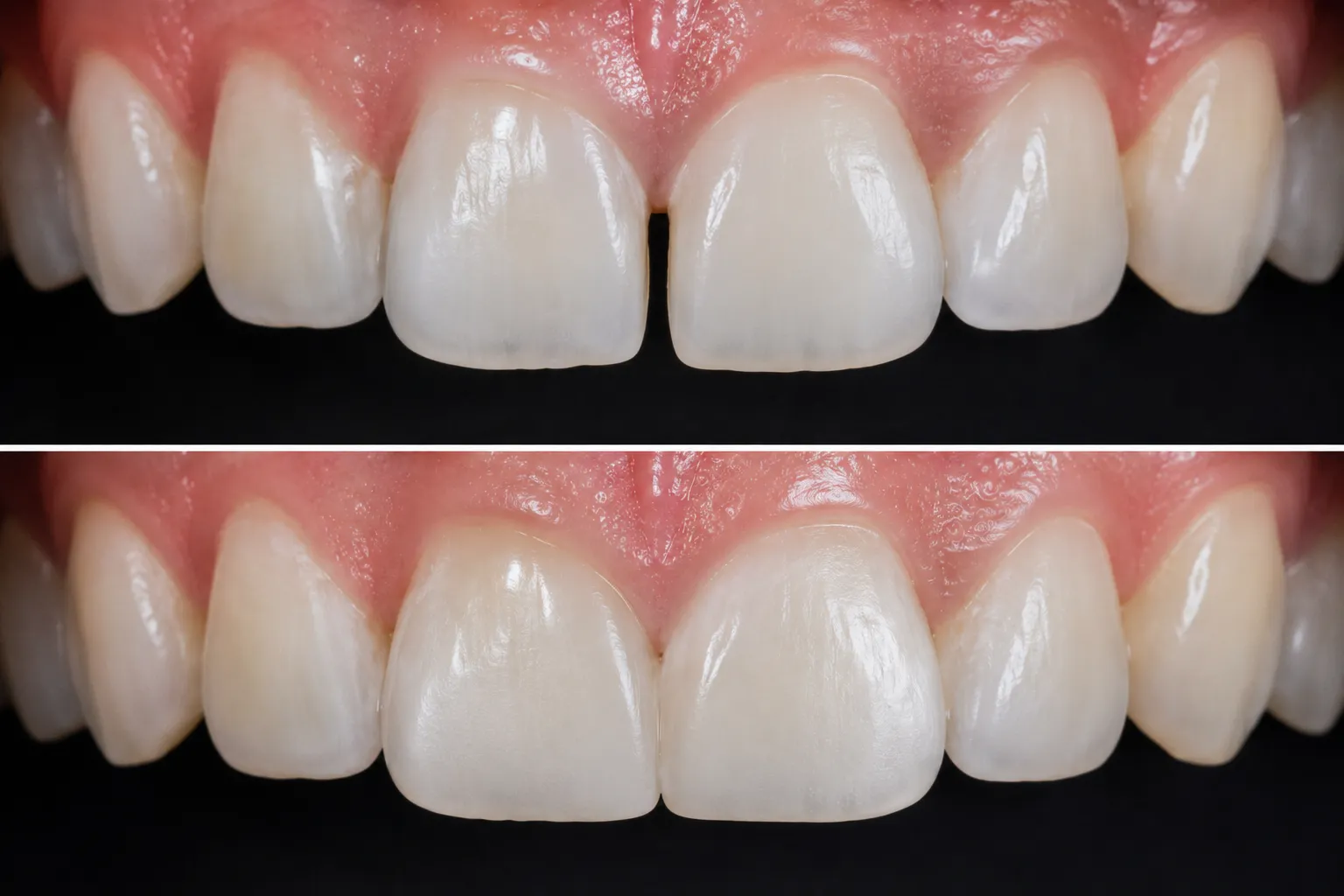
Shade Selection and Surface Preparation
A suitable composite shade is selected to match the natural teeth. In many cases, only minimal surface preparation is required.
The goal is to preserve healthy enamel while creating a strong bond between the tooth and composite resin.
Artistic Layering and Shaping
Composite resin is applied in layers and shaped directly on the tooth. This step requires both technical precision and aesthetic judgment.
The dentist adjusts:
tooth length
edge shape
surface texture
natural contour
symmetry
light reflection
A natural result depends on subtle details rather than simply adding material to the tooth.
Polishing and Final Adjustments
After the composite is hardened, the restoration is polished to create a smooth and natural-looking surface.
The bite is checked carefully to reduce the risk of chipping or premature wear.
Benefits of Composite Bonding
Composite bonding offers several advantages in selected cases:
minimally invasive treatment
preservation of natural tooth structure
natural aesthetic improvement
repairable material
faster treatment process
suitable for small corrections
no laboratory phase in many cases
For patients who want natural smile enhancement without aggressive preparation, composite bonding can be a valuable option.
Limitations of Composite Bonding
Composite bonding is not the same as porcelain restorations.
Patients should understand that composite resin may be more prone to:
staining over time
surface wear
small chips
polishing loss
color changes depending on habits
Coffee, tea, red wine, smoking and poor oral hygiene may affect the long-term appearance of composite bonding.
For this reason, maintenance and regular polishing are important.
How Long Does Composite Bonding Last?
The longevity of composite bonding depends on oral hygiene, eating habits, bite forces, material quality and maintenance.
With proper care, composite bonding can remain aesthetically pleasing for several years. However, it may require polishing, repair or replacement over time.
Patients with teeth grinding or strong bite pressure may need a night guard to protect the restorations.
Composite Bonding and Natural Smile Design
At DentisLife, composite bonding is often used as part of conservative smile design.
The aim is not to create an artificial or overly white smile. Instead, the focus is on improving natural harmony while respecting the patient’s facial features.
A successful composite bonding result should look like healthy natural teeth, not obvious restorations.
Why Ankara for Aesthetic Dental Treatment?
Ankara offers a medically focused environment for patients seeking structured dental care in Turkey.
Unlike highly tourism-centered coastal destinations, Ankara provides a calmer and more clinical atmosphere for patients who value diagnosis, planning and follow-up more than holiday-based treatment marketing.
Aesthetic dental treatment should still be considered a medical process. Even minimally invasive procedures require precision, hygiene, planning and long-term maintenance.
DentisLife in Ankara focuses on personalized care, digital planning and natural aesthetic outcomes for international patients.
Composite Bonding at DentisLife
DentisLife provides composite bonding and aesthetic dental treatments for international patients in Ankara, Turkey.
The clinic’s approach emphasizes:
conservative treatment planning
natural aesthetics
tooth preservation
facial harmony
digital smile evaluation
long-term maintenance guidance
Each composite bonding case is planned individually according to the patient’s tooth structure, smile expectations and functional needs.
Frequently Asked Questions About Composite Bonding
Is composite bonding painful?
Composite bonding is usually comfortable and often does not require anesthesia in simple cases.
Does composite bonding damage teeth?
In suitable cases, composite bonding is minimally invasive and preserves healthy tooth structure.
Can composite bonding close gaps?
Yes. Small gaps between teeth can often be improved with composite bonding.
Is composite bonding better than veneers?
Not always. Composite bonding is more conservative, while veneers may provide greater durability and color stability in more complex cases.
Can composite bonding stain?
Yes. Composite resin may stain over time depending on diet, smoking and oral hygiene.
How often does composite bonding need polishing?
Regular professional controls and polishing may help maintain the surface shine and appearance.
Begin Your Aesthetic Consultation at DentisLife
International patients can begin their composite bonding consultation online with DentisLife in Ankara, Turkey.
DentisLife supports patients with digital evaluation, personalized aesthetic planning, international patient communication and long-term follow-up guidance.
International Health Tourism Authorization Certificate
DentisLife is officially authorized by the Republic of Turkey Ministry of Health and holds the International Health Tourism Authorization Certificate.
This authorization confirms that international patient services are provided according to regulated healthcare standards and officially approved medical protocols in Turkey.