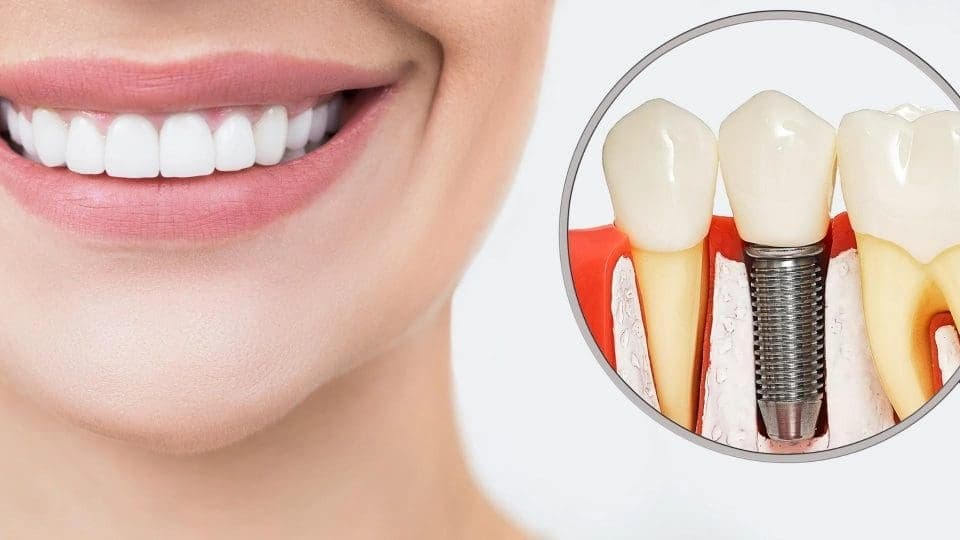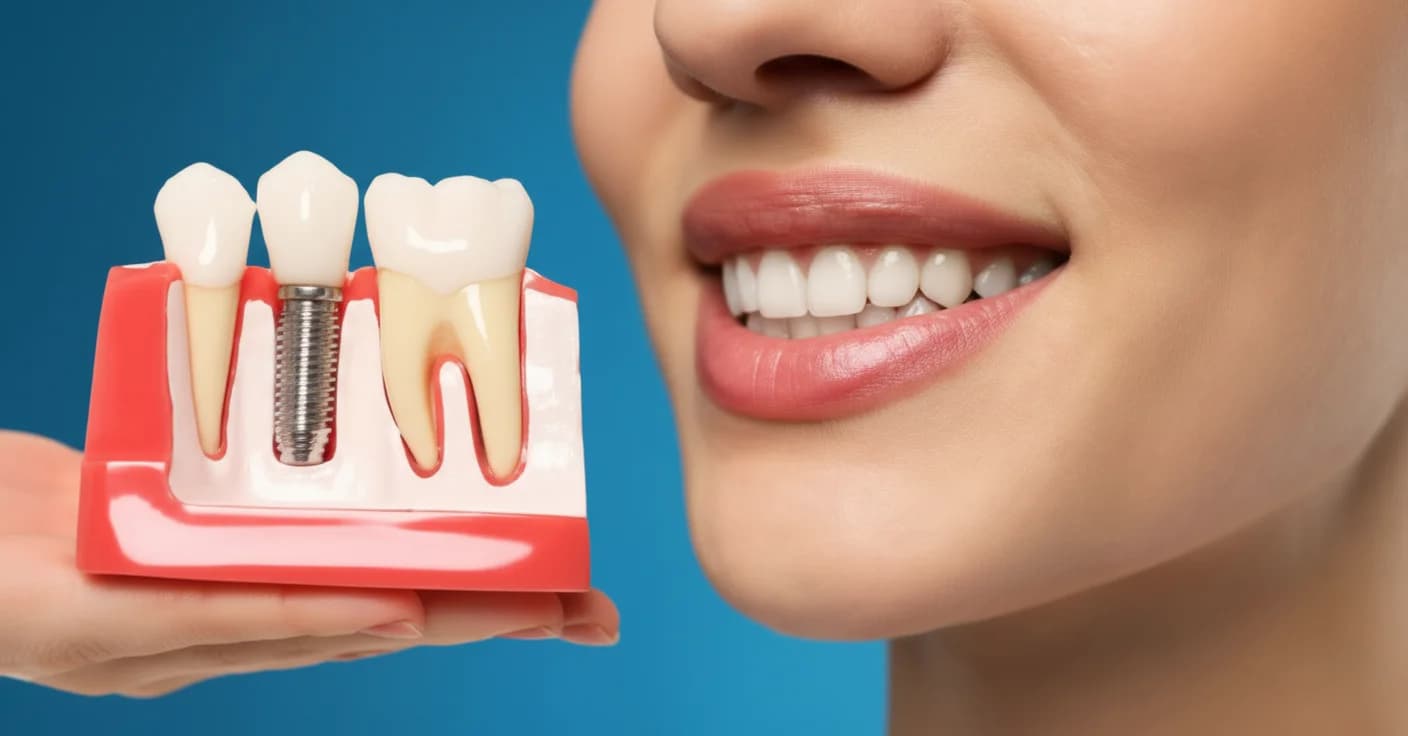
Tooth Extraction & Oral Surgery
Modern oral surgery is not only focused on removing teeth. Contemporary surgical dentistry aims to preserve surrounding tissues, support long-term healing and maintain functional oral stability through precise diagnosis and minimally traumatic surgical approaches.
Tooth extraction may become necessary when a tooth can no longer be predictably preserved because of advanced infection, structural damage or functional complications. However, modern extraction planning also considers bone preservation, future restorative options and long-term oral rehabilitation.
At DentisLife, oral surgery is approached as a medically guided and digitally planned process focused on patient safety, controlled healing and long-term treatment stability rather than aggressive high-volume surgical dentistry.
The goal is not only performing the extraction itself, but protecting surrounding anatomy and supporting healthy recovery conditions.
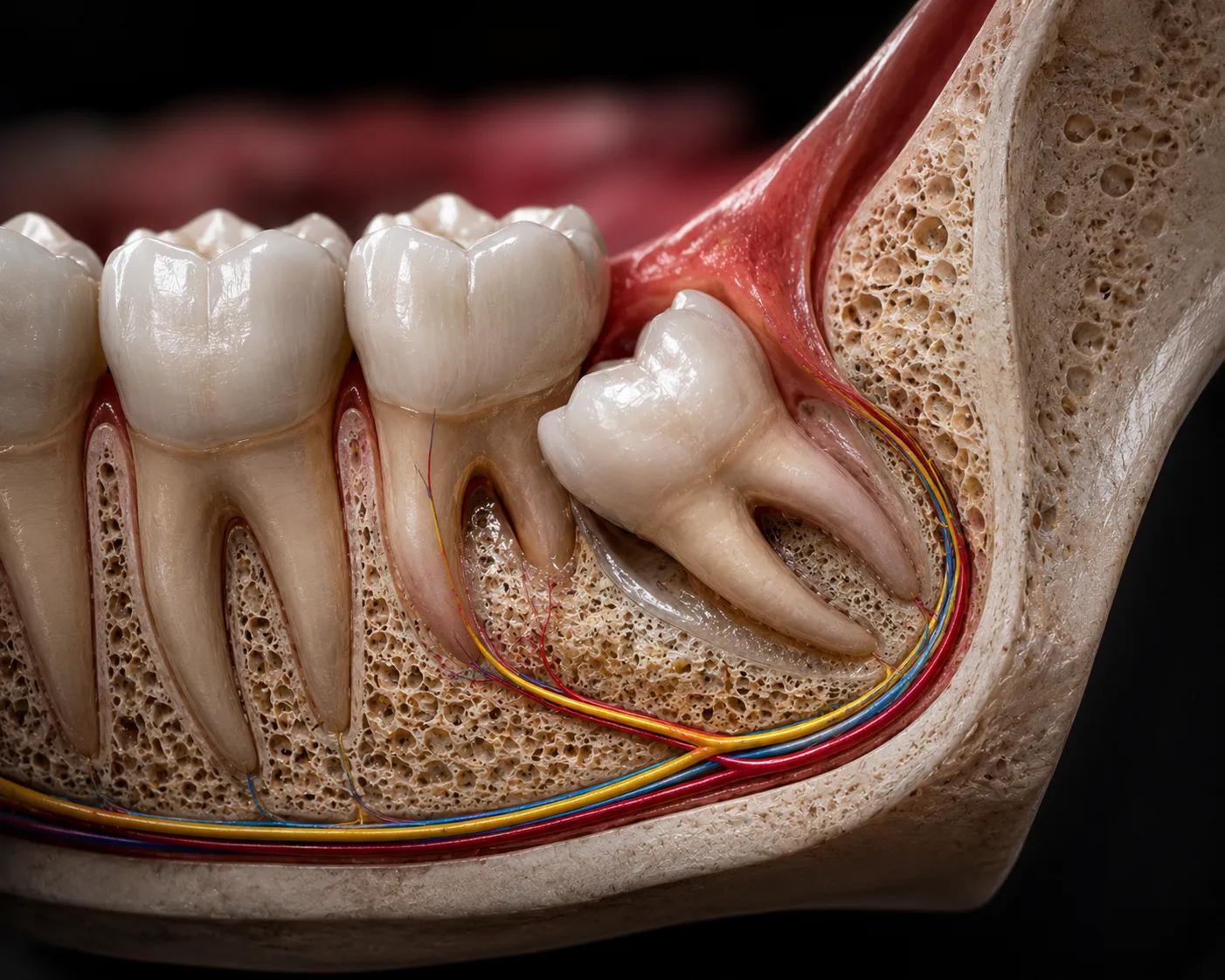
What Is Oral Surgery?
Oral surgery includes surgical dental procedures involving teeth, surrounding tissues and jaw structures.
Common oral surgical procedures may include:
tooth extraction
wisdom tooth removal
impacted tooth surgery
surgical extractions
bone preservation procedures
soft tissue surgery
implant-related surgery
pre-prosthetic surgery
Modern oral surgery combines digital diagnostics, surgical precision and biologically guided healing concepts.
When Is Tooth Extraction Necessary?
Whenever medically possible, preserving natural teeth is generally preferred.
However, extraction may become necessary because of:
severe tooth decay
advanced infection
non-restorable fractures
impacted teeth
advanced periodontal disease
failed previous treatments
severe mobility
orthodontic treatment planning
At DentisLife, every extraction decision is evaluated carefully according to long-term prognosis and functional rehabilitation planning.
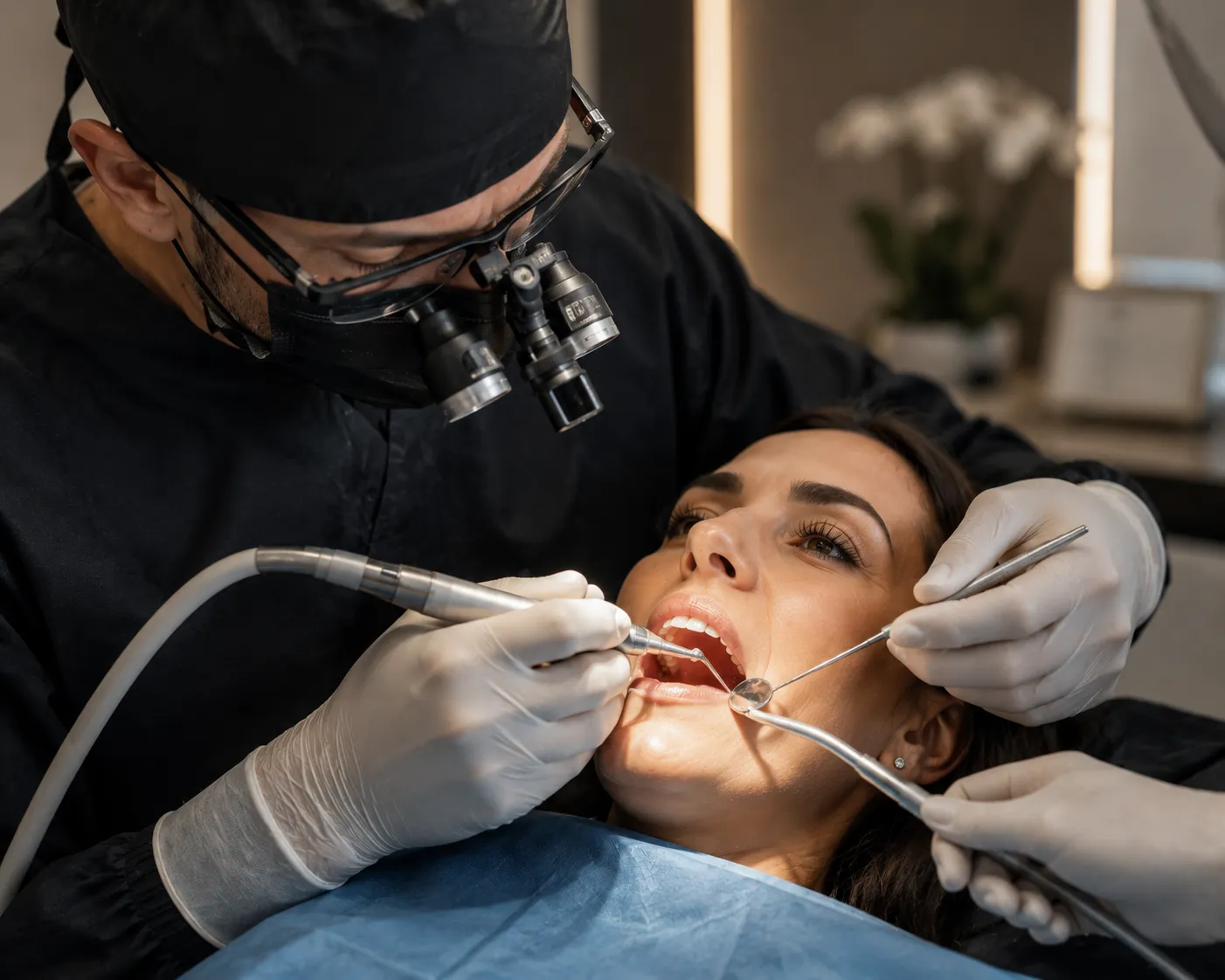
Wisdom Tooth Removal
Wisdom teeth are among the most common reasons for oral surgical treatment.
Wisdom teeth may require removal because of:
impaction
lack of space
recurrent infection
pain
gum inflammation
pressure on neighboring teeth
cyst risk
orthodontic concerns
Some wisdom teeth remain asymptomatic and may not require immediate treatment.
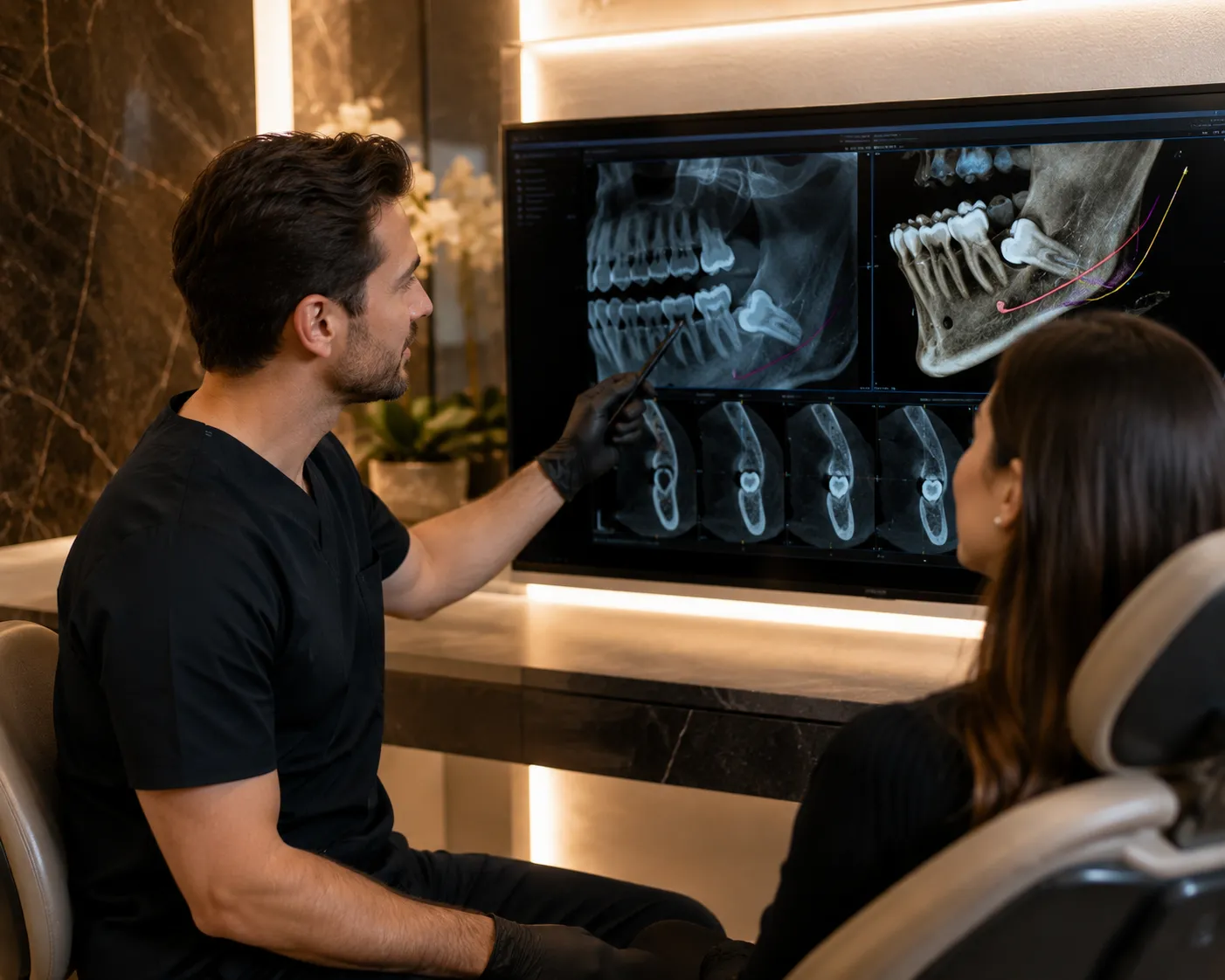
Digital imaging helps evaluate anatomical relationships and surgical complexity before planning treatment.
Surgical vs Simple Extractions
Not every extraction requires the same surgical approach.
Simple Extraction
A simple extraction may be possible when the tooth is fully visible and accessible.
Surgical Extraction
Surgical extraction may become necessary for:
impacted teeth
fractured roots
severely damaged teeth
difficult anatomical situations
Modern surgical techniques aim to minimize unnecessary tissue trauma and preserve surrounding bone whenever possible.
Digital Diagnostics in Oral Surgery
Modern oral surgery depends heavily on accurate imaging and anatomical planning.
At DentisLife, surgical evaluation may include:
digital radiography
CBCT imaging
anatomical assessment
nerve pathway evaluation
sinus relationship analysis
bone structure assessment
Digital diagnostics improve:
surgical safety
treatment precision
complication prevention
healing predictability
long-term rehabilitation planning
Precise planning becomes especially important near sensitive anatomical structures.
Tooth Extraction and Future Implant Planning
Modern extraction planning often considers future restorative possibilities before surgery begins.
Bone preservation may become important for:
future implants
bridge planning
full mouth rehabilitation
esthetic tissue support
At DentisLife, oral surgery and restorative planning are coordinated together whenever possible.
This interdisciplinary approach helps support long-term oral stability.
Healing After Tooth Extraction
Healing quality plays an important role in long-term recovery.
Patients are generally advised to follow post-operative recommendations regarding:
smoking
alcohol
oral hygiene
physical activity
nutrition
follow-up visits
Excessive tourism activity, smoking or poor hygiene may negatively affect healing.
At DentisLife, treatment planning prioritizes controlled recovery conditions and medically guided aftercare.
Minimally Traumatic Oral Surgery
Modern oral surgery increasingly focuses on preserving:
bone tissue
gum tissue
neighboring teeth
anatomical structures
long-term function
Minimally traumatic surgical approaches may help improve:
patient comfort
healing quality
restorative possibilities
long-term tissue stability
At DentisLife, surgical procedures are planned conservatively whenever medically appropriate.
Anxiety and Oral Surgery
Many patients feel anxious about oral surgery procedures.
Modern dentistry may help improve patient comfort through:
digital planning
careful communication
minimally invasive approaches
controlled anesthesia
structured treatment planning
A medically calm and organized environment may significantly improve patient experience during oral surgery.
Why Many International Patients Prefer Ankara for Oral Surgery
Patients seeking medically focused surgical dentistry often prefer structured healthcare environments over heavily tourism-oriented destinations.
Compared to highly touristic cities, Ankara offers:
medically oriented clinics
advanced diagnostics
digitally guided surgery
calmer recovery conditions
structured follow-up care
DentisLife focuses on medically guided oral surgery and long-term rehabilitation rather than aggressive dental tourism marketing.
Oral Surgery at DentisLife
DentisLife provides modern oral surgery and tooth extraction procedures for international patients.
The clinic’s approach emphasizes:
digital diagnostics
minimally traumatic surgery
bone preservation
surgical precision
patient safety
long-term rehabilitation planning
Every surgical case is evaluated individually according to anatomy, healing conditions and restorative goals.
Frequently Asked Questions About Tooth Extraction & Oral Surgery
Is tooth extraction painful?
Modern anesthesia and surgical techniques help improve patient comfort significantly.
Do all wisdom teeth need removal?
No. Treatment depends on anatomy, symptoms and long-term risk evaluation.
How long does healing take after extraction?
Healing time varies depending on surgical complexity and patient factors.
Can implants be placed after extraction?
Yes. Future implant planning is often considered before extraction.
Is swelling normal after oral surgery?
Mild swelling and temporary discomfort may occur after surgery.
Why is digital imaging important before surgery?
Digital imaging improves safety and surgical planning accuracy.
Begin Your Oral Surgery Consultation at DentisLife
International patients can begin their digital surgical consultation online with DentisLife.
DentisLife supports patients with:
digital evaluation
surgical treatment planning
international patient communication
structured scheduling
long-term follow-up focused care
International Health Tourism Authorization Certificate
DentisLife is officially authorized by the Republic of Turkey Ministry of Health and holds the International Health Tourism Authorization Certificate.
This authorization confirms that international patient services are provided according to regulated healthcare standards and officially approved medical protocols in Turkey.