Dental Implant Aftercare: How to Care for Implants After Treatment
Dental implants are one of the most reliable solutions for replacing missing teeth, but long-term success does not depend only on the surgery itself.
Proper aftercare plays a critical role in healing, implant stability and long-term durability.
Even high-quality implants can develop problems if oral hygiene, follow-up care and lifestyle recommendations are ignored. For this reason, patients should understand exactly how to care for their implants after treatment.
Why Implant Aftercare Is So Important
After implant placement, the surrounding bone and gum tissue need time to heal.
During this phase, the implant gradually integrates with the jawbone through a biological process called osseointegration.
Good aftercare helps:
Reduce infection risk
Support proper healing
Protect the implant site
Improve long-term stability
Prevent peri-implant inflammation
Implant success is a combination of surgical precision and patient responsibility.
The First 24–48 Hours After Implant Surgery
The first two days are especially important.
Patients should:
Avoid touching the surgical area
Avoid rinsing aggressively
Apply cold compresses if recommended
Take prescribed medications correctly
Avoid hot foods and drinks
Rest and avoid heavy physical activity
Bleeding, mild swelling and discomfort can be normal during the early healing phase. However, severe pain, excessive bleeding or increasing swelling should be reported to the clinic.
What Should You Eat After Implant Treatment?
A soft diet is usually recommended during the early healing period.
Suitable foods include:
Yogurt
Soup
Mashed potatoes
Soft eggs
Smoothies
Soft cooked vegetables
Patients should avoid:
Hard foods
Spicy foods
Very hot foods
Crunchy snacks
Chewing directly on the implant site
Proper nutrition supports healing while protecting the surgical area.
Oral Hygiene After Dental Implants
Oral hygiene is essential, but it must be performed carefully.
In the first days, cleaning should be gentle and follow the dentist’s instructions. After initial healing, patients should return to a structured oral care routine.
This may include:
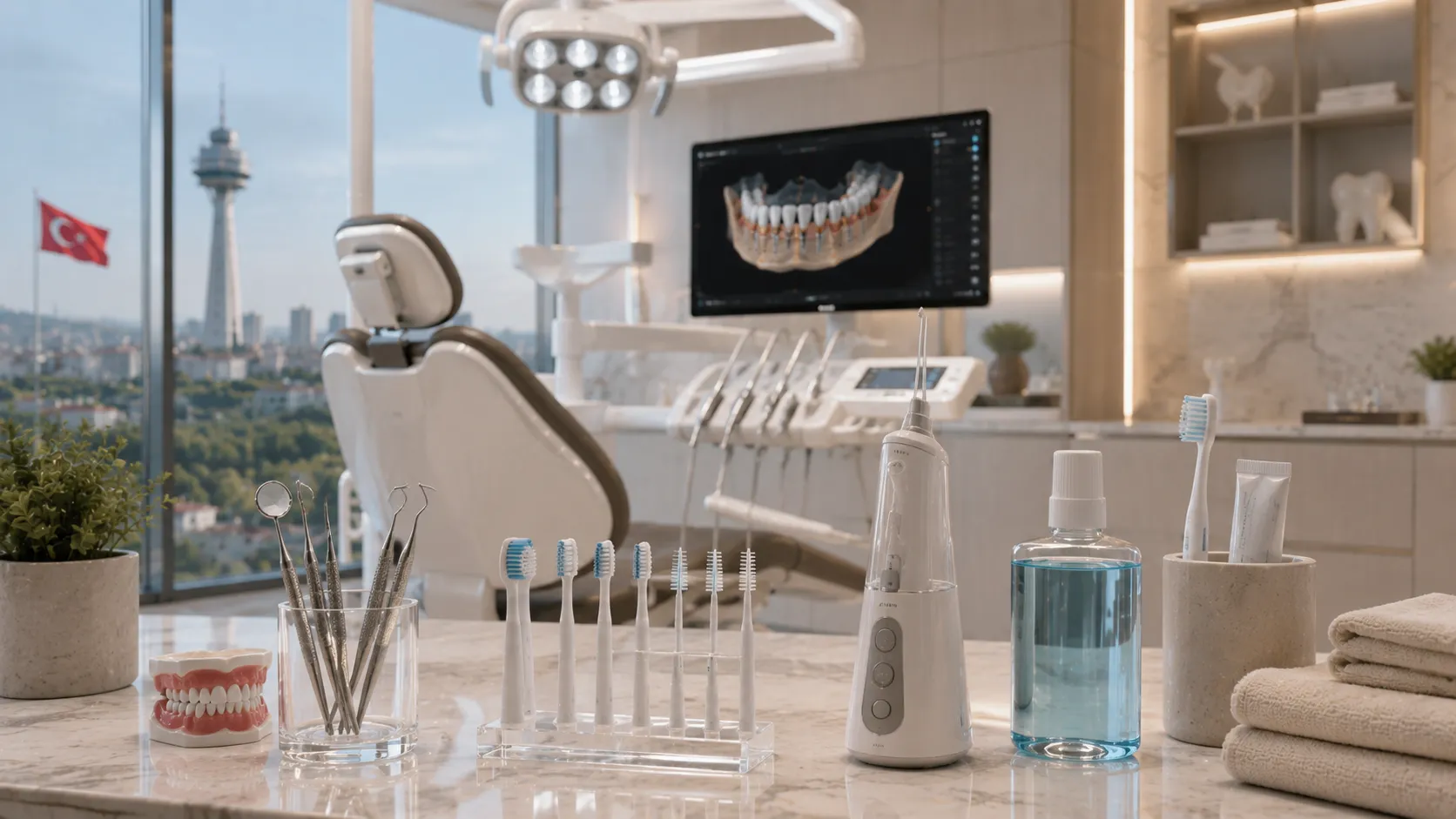
Soft toothbrush
Interdental brushes
Water flosser if recommended
Antibacterial mouth rinse when prescribed
Professional dental cleanings
The goal is to keep the implant area clean without irritating healing tissues.
What Should Be Avoided After Implant Surgery?
Certain habits can negatively affect healing and implant success.
Patients should avoid:
Smoking
Alcohol
Swimming pools and sea water during early healing
Heavy exercise
Touching the surgical area with fingers or tongue
Skipping medications or follow-up visits
Smoking is one of the most important risk factors for implant failure because it affects blood circulation and tissue healing.
How Long Does Implant Healing Take?
Initial healing usually takes a few days to a few weeks, but full osseointegration may take several months.
The exact healing time depends on:
Bone quality
Implant location
General health
Smoking status
Need for bone grafting
Number of implants placed
Patients should not compare their healing process with others, because every case is different.
Long-Term Dental Implant Maintenance
Dental implants do not get cavities, but the gums and bone around them can still develop inflammation.
Long-term maintenance includes:
Regular dental check-ups
Professional cleanings
Monitoring bite forces
Checking prosthetic components
Managing gum health
Neglecting maintenance can lead to peri-implantitis, which may threaten implant stability.
Implant Aftercare for International Patients
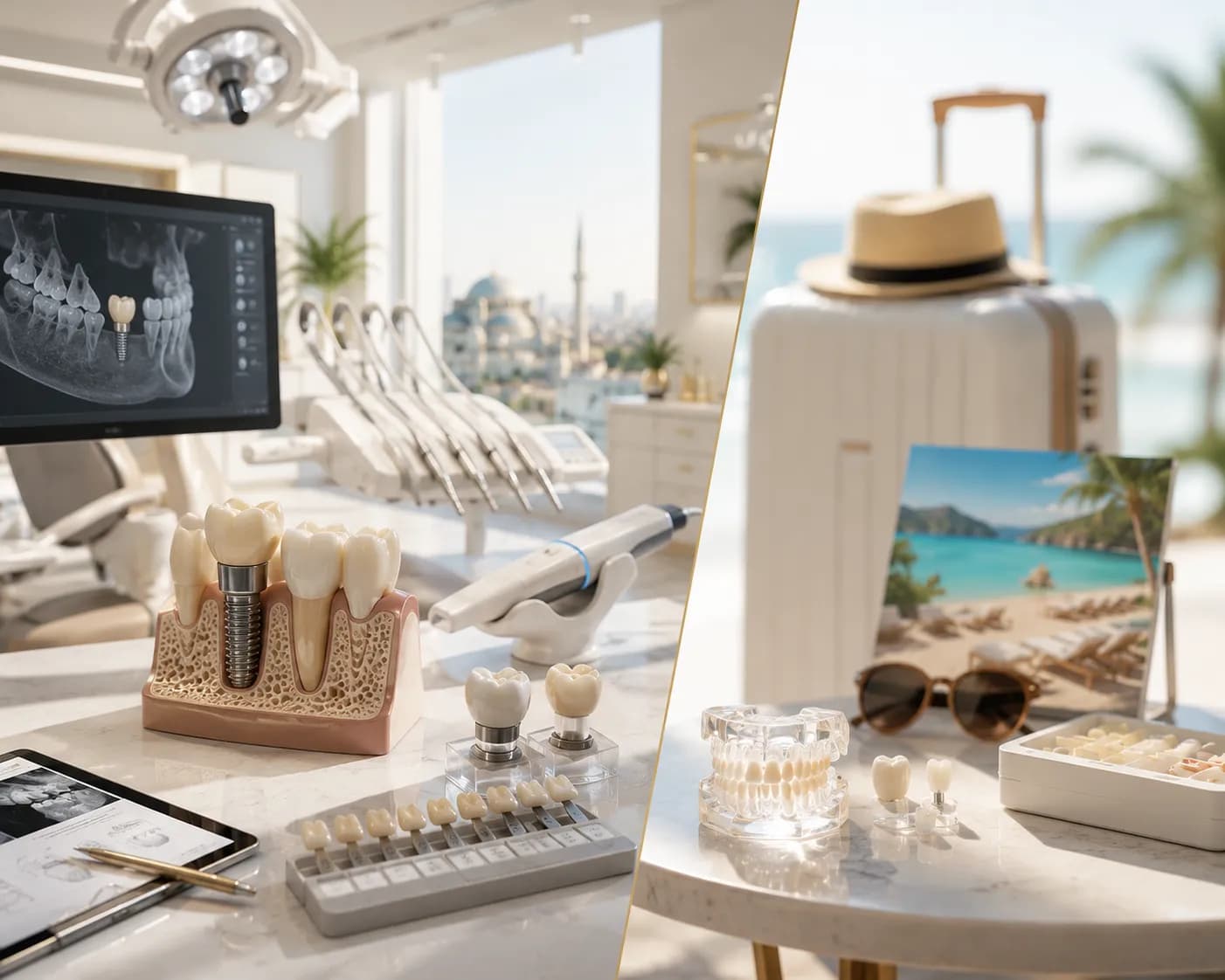
For international patients, aftercare planning is especially important.
Before traveling for implant treatment, patients should ask:
How will healing be monitored after returning home?
Can follow-up be done online?
What should I do in case of discomfort?
Will I receive written aftercare instructions?
A responsible clinic should provide clear guidance before, during and after treatment.
Why Ankara Is a Strong Choice for Implant Treatment
Ankara offers a more medical-focused environment compared to highly touristic cities.
For implant aftercare, this matters because patients are encouraged to approach treatment as a medical process rather than a holiday experience.
This supports:
Better recovery discipline
More structured planning
Stronger long-term outcomes
Implant Aftercare at DentisLife in Ankara
At DentisLife in Ankara, implant aftercare is considered an essential part of treatment success.
Our team provides:
Clear post-operative instructions
Personalized healing guidance
Follow-up planning
Support for international patients
Long-term implant maintenance recommendations
We do not see implant treatment as a one-time procedure, but as a complete treatment journey.
Your Dental Journey with DentisLife
From consultation to final restoration and follow-up, DentisLife supports patients through a structured process.
For international patients, this includes:
Online consultation before travel
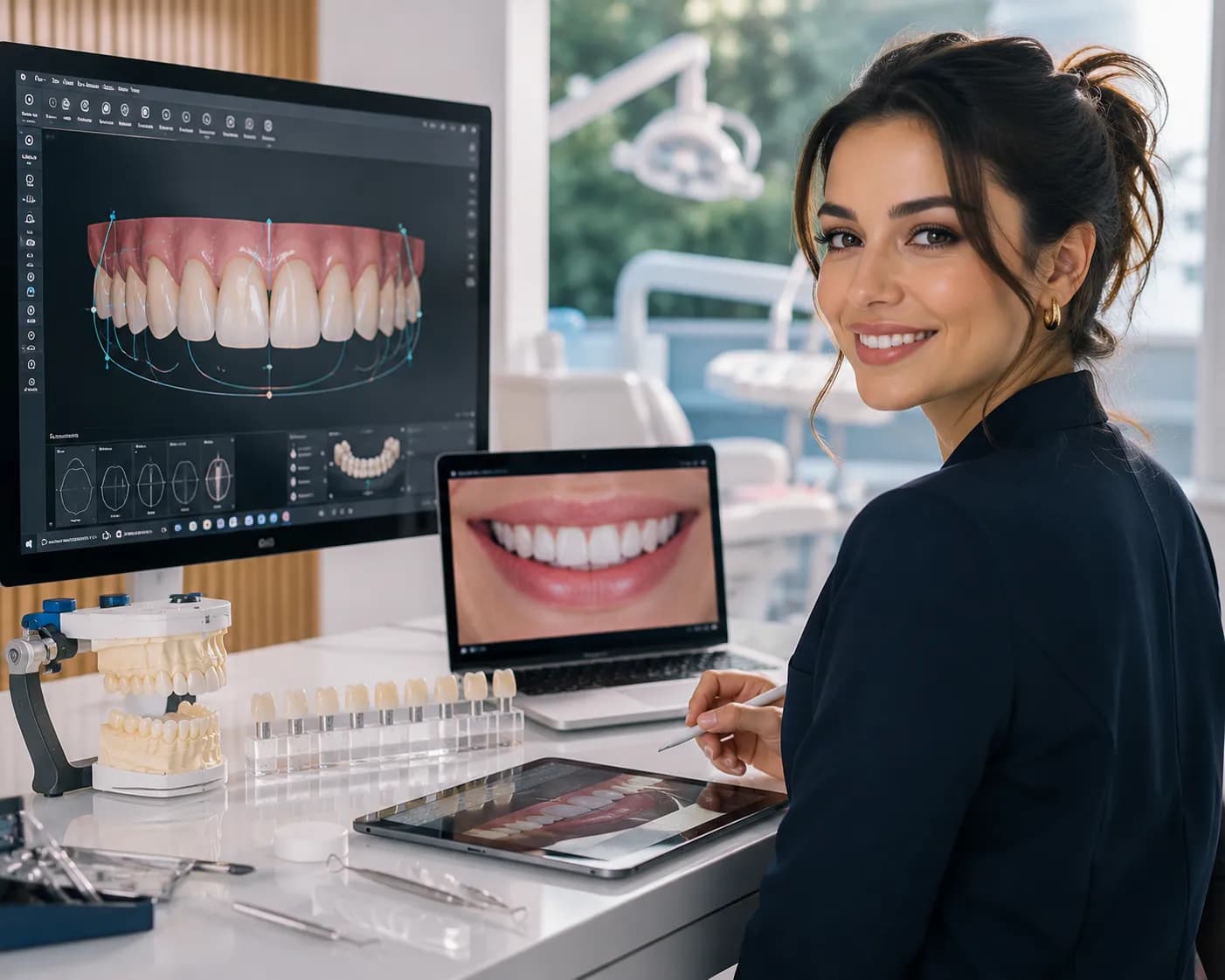
Digital treatment planning
Implant treatment in Ankara
Remote follow-up and long-term support
This approach helps protect your investment and supports long-lasting results.
FAQ
How soon can I brush after implant surgery?
You should follow your dentist’s instructions. In general, brushing can continue carefully, but the surgical area should be cleaned gently.
Can I smoke after implant surgery?
Smoking should be avoided because it increases the risk of delayed healing and implant failure.
When can I eat normally again?
This depends on the procedure. Soft foods are recommended during early healing, and normal eating should resume only after your dentist confirms it is safe.
Do dental implants need lifelong care?
Yes. Regular check-ups and professional cleanings are essential for long-term implant health.
CTA
If you are planning dental implant treatment and want safe surgery, structured aftercare and long-term support, DentisLife in Ankara is here to guide you.
Our team supports you from the first consultation to healing, final restoration and long-term implant maintenance.
Contact us today to receive your personalized implant treatment plan.
International Health Tourism Authorization Certificate
DentisLife is officially authorized by the Republic of Turkey Ministry of Health and holds the International Health Tourism Authorization Certificate.
This certification confirms that our clinic meets official standards for international patient care, treatment quality and regulated healthcare procedures.
For our international patients, this means:
Safe and regulated medical environment
Verified clinical standards
Transparent treatment processes