Are Dental Implants Safe? Risks, Success Rates and What to Know
Dental implants are considered one of the safest and most predictable treatments in modern dentistry. Millions of implants are placed successfully every year worldwide, helping patients restore function, comfort, and confidence.
However, like every medical procedure, dental implants also involve certain risks and require proper planning, surgical precision, and long-term follow-up care.
Understanding both the advantages and the possible complications is essential before starting treatment.
How Safe Are Dental Implants?
Studies show that dental implants have a long-term success rate of approximately 90–98%, depending on factors such as:
Bone quality
Oral hygiene
Smoking habits
Systemic health conditions
Surgical planning and experience
When implants are placed correctly and maintained properly, they can last for many years — often decades.
Why Dental Implants Are Considered Safe
Modern implant dentistry is based on advanced technology and scientifically proven protocols.
High-quality clinics use:
Digital 3D imaging (CBCT)
Guided implant surgery
Biocompatible titanium implants
Sterile surgical environments
These technologies significantly reduce risks and improve precision.
Possible Risks and Complications
Although implants are generally very safe, complications can still occur.
Common risks include:
Infection around the implant
Poor osseointegration (implant not bonding to bone)
Nerve irritation in rare cases
Gum inflammation
Implant overload from incorrect bite alignment
In many cases, these risks are preventable with proper planning and aftercare.
Who Is a Good Candidate for Dental Implants?
Most healthy adults can receive implants successfully.
However, some factors may increase risks:
Heavy smoking
Uncontrolled diabetes
Severe bone loss
Poor oral hygiene
Untreated gum disease
A detailed clinical examination is always necessary before treatment.
The Importance of Proper Planning
The safety of implants depends heavily on diagnosis and treatment planning.
A professional clinic should always perform:
Comprehensive oral examination
Panoramic X-rays or CBCT scans
Bone analysis
Medical history evaluation
Fast treatment decisions without proper diagnostics can increase complications significantly.
Why Follow-Up Care Matters
Implant treatment does not end after surgery.
Long-term success depends on:
Regular professional check-ups
Good oral hygiene
Monitoring healing and bite function
Managing inflammation early
This is one of the main reasons why structured follow-up systems are extremely important in dental tourism.
Are Dental Implants Safe in Turkey?
Yes — when performed in qualified and medically focused clinics.
Turkey has become one of the leading destinations for implant treatment because of:
Modern technology
Experienced implant dentists
Competitive pricing
However, quality can vary significantly between clinics. Choosing a clinic based only on low price or aggressive advertising can increase risks.
Why Ankara Offers a More Medical-Focused Environment
Unlike highly touristic cities where treatments are often combined with holiday packages, Ankara provides a more clinical and healthcare-oriented atmosphere.
This allows clinics to focus more on:
Detailed planning
Long-term treatment success
Controlled patient care
Follow-up systems
Dental Implant Treatment at DentisLife in Ankara
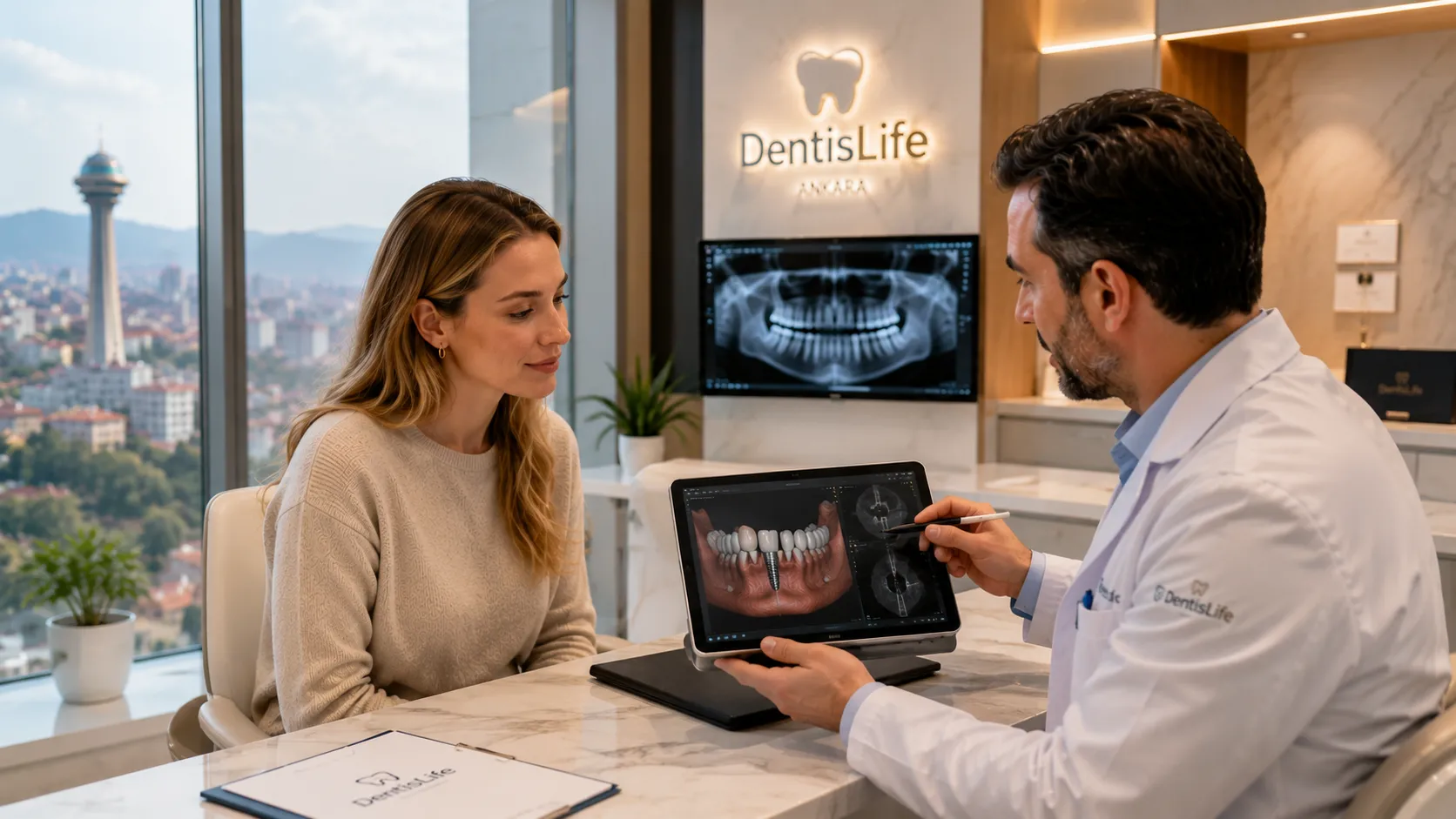
At DentisLife in Ankara, implant treatments are planned individually using advanced digital diagnostics and modern surgical protocols.
Our approach focuses on:
Long-term stability
Natural aesthetics
Safe surgical procedures
Structured aftercare and follow-up
Each patient receives a personalized treatment plan designed specifically for their oral condition and long-term goals.
Your Dental Journey with DentisLife
We support international patients through every stage of treatment:
Online consultation before travel
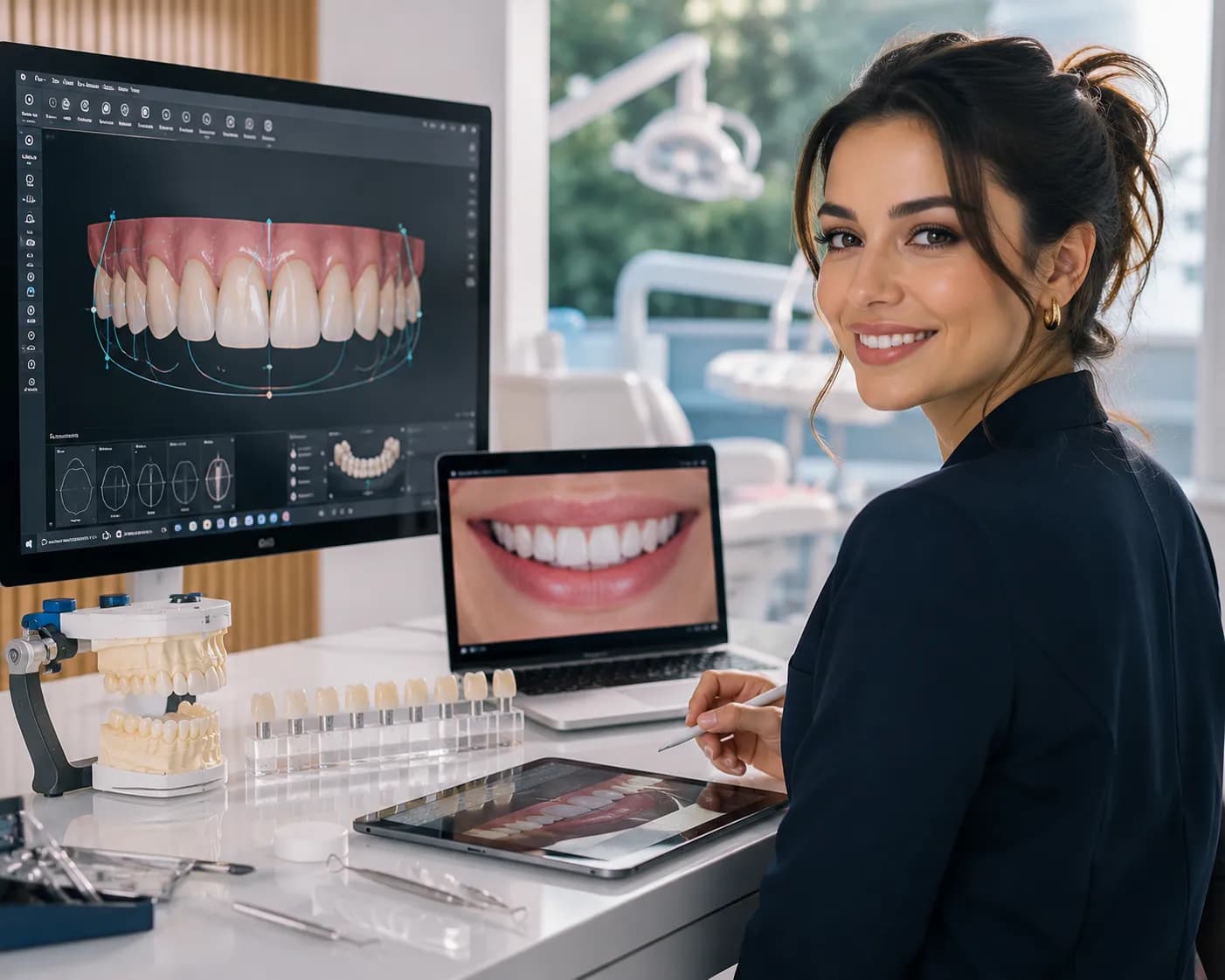
Digital treatment planning
Treatment in Ankara
Long-term follow-up and support
This structured process helps ensure safer and more predictable results.
FAQ
Are dental implants safer than bridges?
Implants often preserve bone and neighboring teeth better than traditional bridges.
Can implants fail?
Yes, but failure rates are relatively low when treatment is planned correctly.
Is implant surgery painful?
Most patients report minimal discomfort thanks to modern surgical techniques and anesthesia.
How long do implants last?
With proper care, implants can last decades.
CTA
If you are considering dental implants and want a safe, structured, and medically focused treatment experience, DentisLife in Ankara is here to guide you.
From consultation to long-term follow-up, our team supports you at every step of your treatment journey.
Contact us today to receive your personalized implant treatment plan.
International Health Tourism Authorization Certificate
DentisLife is officially authorized by the Republic of Turkey Ministry of Health and holds the International Health Tourism Authorization Certificate.
This certification confirms that our clinic meets the strict requirements for treating international patients, including clinical standards, patient safety protocols, and regulated treatment procedures.
For our international patients, this means:
Safe and regulated medical environment
Verified clinical standards
Transparent treatment processes
Related Articles